I cook lamb chops on weeknights the way some people make scrambled eggs: fast, with minimal equipment, and without overthinking it. The recipe is simple to the point of being almost nonexistent. Lamb chops, salt, pepper, high heat. That is it. The trick is not in the ingredients or the technique. The trick is in the timing. Fifteen minutes from start to finish, if you move with purpose. I pull the chops out of the fridge twenty minutes before I plan to cook them, which lets them come to room temperature and ensures they cook evenly. Cold lamb chops on a hot grill give you a raw center and a charred exterior, which is fine if you like your lamb blue, but most people do not. Room-temperature chops give you an even sear and a pink center, and the whole thing takes about three minutes per side on a grill or in a cast-iron pan.
The grill needs to be hot. I mean smoking, almost-too-hot-to-stand-near hot. Whether you are using an outdoor gas grill or a cast-iron pan indoors, the surface temperature needs to be high enough to create a crust on the lamb within the first sixty seconds. This crust, called the Maillard reaction in food science circles, is what gives grilled meat its color and its flavor. Without it, you are just heating lamb. With it, you are cooking lamb. I heat my grill or pan for at least ten minutes before the chops go on, and I do not oil the grates or the pan. The fat on the lamb chops, which is minimal on a loin chop, provides enough lubrication to prevent sticking. If you are using thicker rib chops with more fat cap, you might need to trim the excess fat to prevent flare-ups, which will give the meat a bitter, acrid taste from the burning fat.
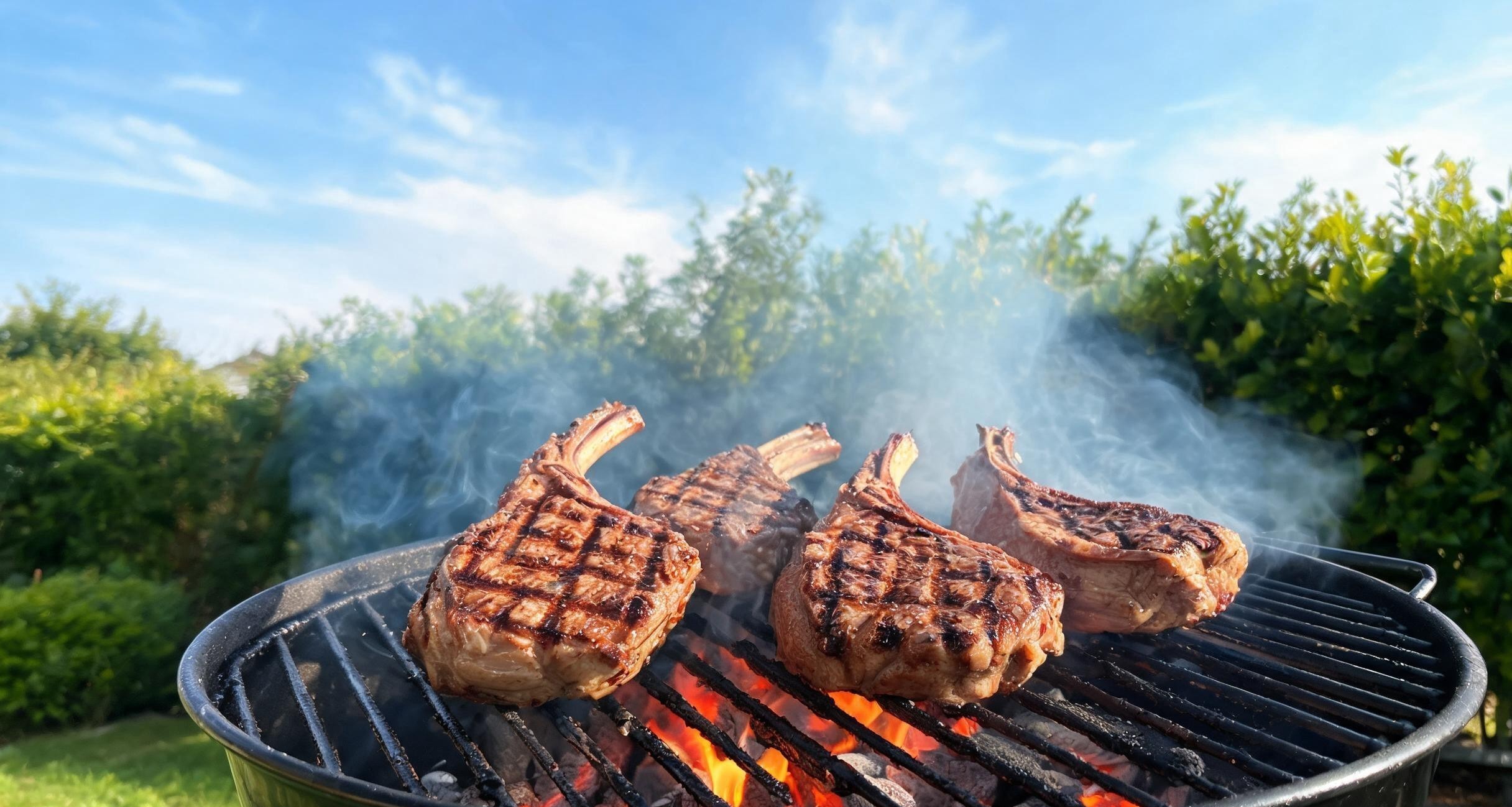
The seasoning is salt and pepper, and nothing else, and the reason is that lamb has a strong enough flavor to stand on its own. I use kosher salt, which is coarser than table salt and distributes more evenly, and I season both sides of the chops generously, pressing the salt into the meat with my fingers. The pepper is freshly cracked black pepper, applied after the salt, because pre-ground pepper lacks the bite and the aromatic quality of freshly cracked. I do not use marinades or spice rubs for quick weeknight lamb because they require time to penetrate the meat, and this recipe does not allow for that time. If you want to marinate lamb, do it for at least four hours, preferably overnight, and use a different recipe. This recipe is about speed and simplicity, and it works because the quality of the ingredient, a well-raised lamb loin chop, does not need much help.
The cooking time depends on the thickness of the chops, which varies widely depending on the cut and the butcher. Loin chops are smaller and leaner, and they cook in about two to three minutes per side for medium-rare, which is an internal temperature of about 130 degrees Fahrenheit. Rib chops are thicker and have more fat, and they need about three to four minutes per side for the same doneness. I use an instant-read thermometer and pull the chops when they hit 130, then let them rest for five minutes on a cutting board, loosely tented with foil. The resting step is not optional. During the rest, the internal temperature rises by about five degrees, which brings the chops to a perfect medium-rare of 135. More importantly, the juices redistribute. If you cut into a lamb chop immediately after taking it off the heat, the juices run out onto the board and the meat is dry. If you wait five minutes, the juices stay in the meat, and every bite is juicy and pink.
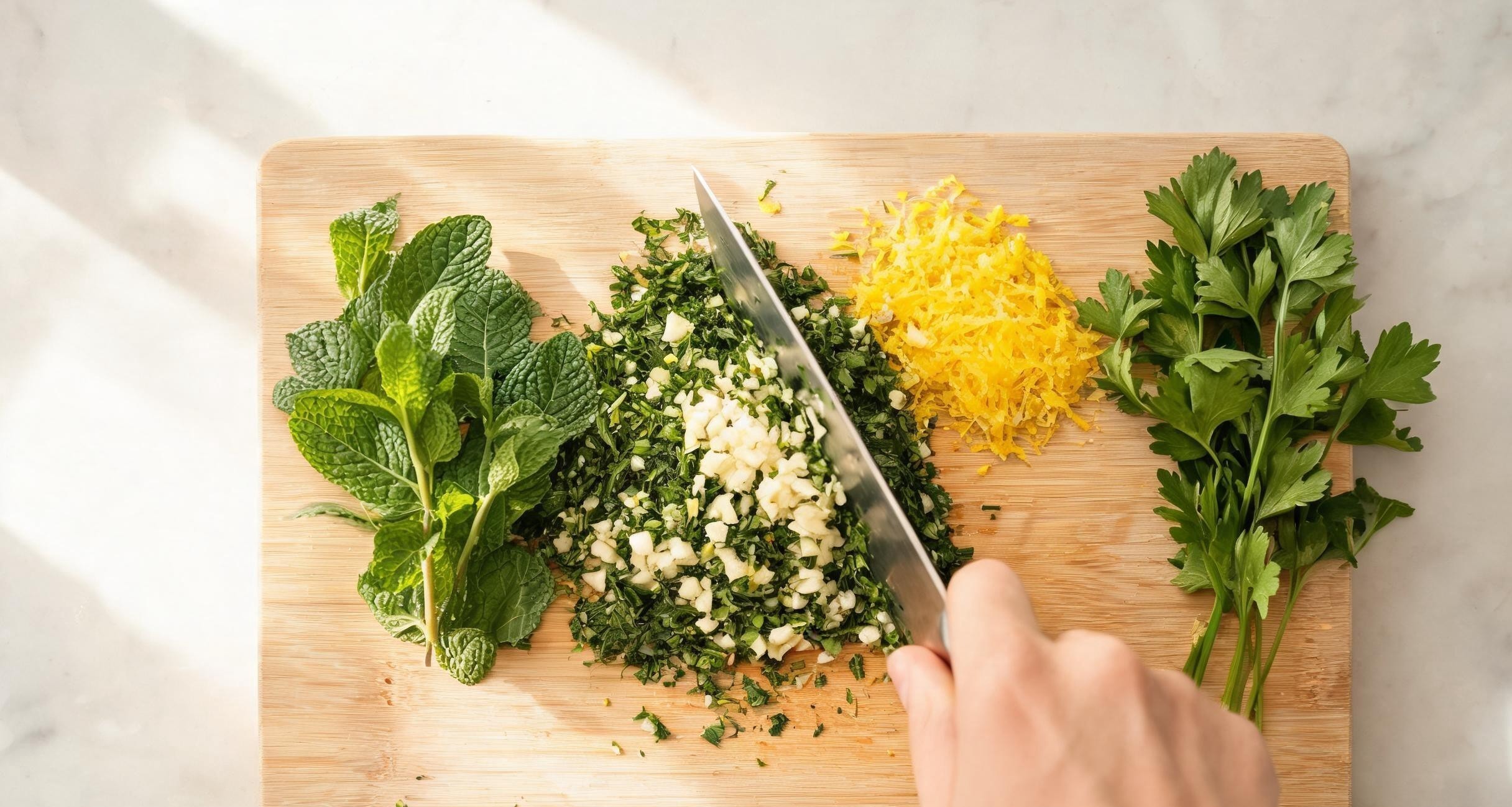
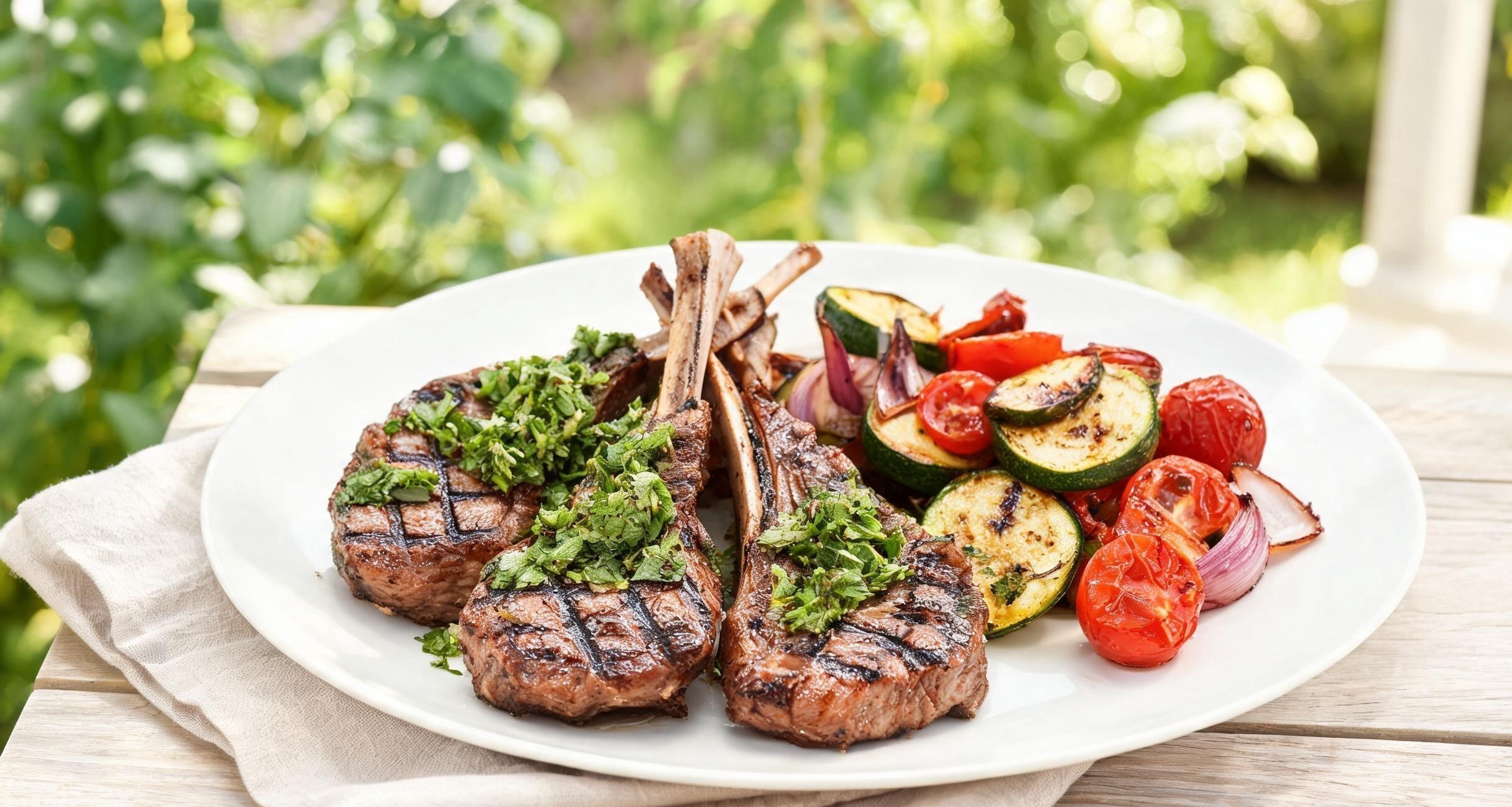
The gremolata is what turns these lamb chops from a simple weeknight dinner into something you would serve to a guest. It is a coarse mixture of fresh mint leaves, flat-leaf parsley, garlic, lemon zest, and a drizzle of good olive oil, all chopped together on a cutting board. There is no cooking involved and no precise measurements. I use roughly equal parts mint and parsley, one clove of garlic, the zest of half a lemon, and enough olive oil to bind the mixture into a rough paste. The mint is the star, and it works with lamb because the herb's cool, bright flavor cuts through the richness of the meat in a way that is immediate and refreshing. The garlic and lemon zest add sharpness. The olive oil adds body. The whole thing takes two minutes to make, and you spoon it over the lamb chops right before serving. The gremolata is not mixed into the meat or cooked with it. It is a raw garnish, applied at the last moment, and it is the reason this dish works as well as it does.
I served these chops to a friend who said he did not like lamb, and he ate three of them. The key was that the lamb was not overcooked, which is the mistake most people make with lamb, and that the gremolata added a freshness that balanced the meatiness. Lamb should taste like lamb, not like beef and not like pork. It has a specific flavor, herbaceous and slightly gamey, that some people love and some people need to be coaxed into appreciating. The way to coax them is to cook it medium-rare, season it simply, and add something bright and raw on top. The mint gremolata does that job. It does not mask the lamb. It highlights it. That is the difference between a garnish that decorates and a garnish that contributes. This one contributes, and the chops are better for it.