I started making lemon ricotta pancakes because I had half a tub of ricotta left over from a lasagna and no idea what to do with it. The recipe I found called for separating eggs, whipping the whites, and folding everything together in stages, which sounded like the kind of unnecessary complication that makes people hate baking. I skipped the egg separation, dumped everything into one bowl, and the pancakes were fine. Not restaurant-quality, not the kind of thing you would photograph for a cookbook, but fluffy, lemony, and good enough that my partner asked me to make them again the next weekend. I have made them every Saturday since, and the recipe has been refined to the point where I no longer need to measure anything.
The ricotta is the key. Not low-fat ricotta, not the kind that comes in a tub with a plastic lid and tastes like damp cotton. You want full-fat ricotta, preferably from an Italian deli or a brand that actually tastes like cheese. I buy BelGioioso, which is widely available in the United States and consistent in quality. The ricotta does two things: it adds moisture to the batter without making it wet, and it contributes a slight tang that balances the sweetness of the maple syrup or honey you drizzle on top. The lemon zest is the other essential component. You need at least one whole lemon, zested finely, so that every bite has a brightness that cuts through the richness of the cheese and butter.
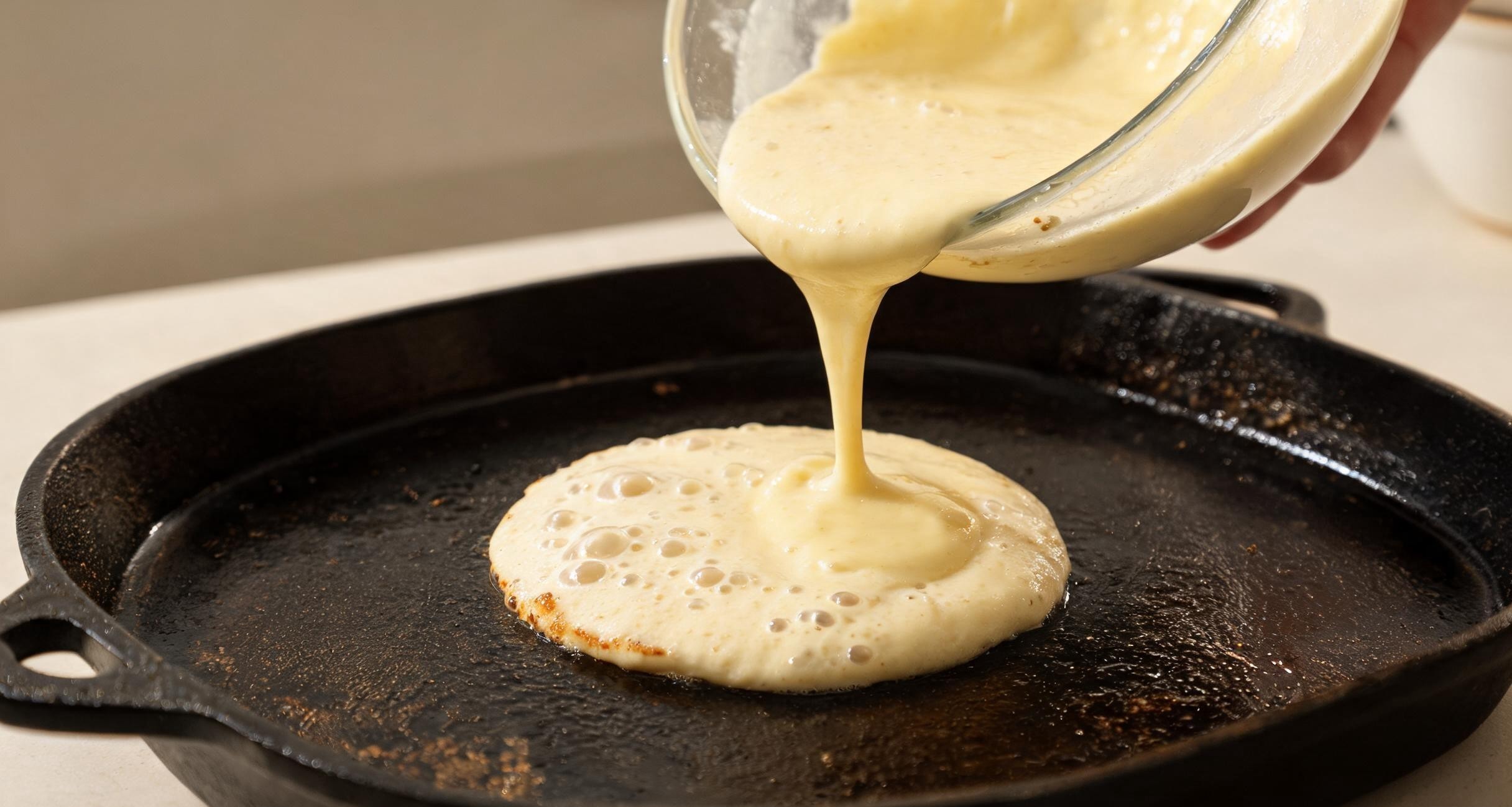
The batter comes together in about five minutes. Two eggs, beaten. One cup of ricotta. Three-quarters of a cup of flour. One tablespoon of sugar. The zest of one lemon. A pinch of salt. A teaspoon of vanilla extract if you have it. Mix the dry ingredients separately, add them to the wet, and do not overmix. A few lumps are fine. The batter should be thick, thicker than standard pancake batter, almost like a thick cake batter. If it looks too thick, add a tablespoon of milk. If it looks too thin, add another tablespoon of flour. The consistency matters more than the exact measurements, and you will figure out the right texture after making these two or three times.
Cooking them requires a medium-low heat and patience. If the pan is too hot, the outside burns before the inside cooks through, and you end up with pancakes that are dark brown on the surface and raw in the center. I use a non-stick pan or a well-seasoned cast iron, buttered lightly, and I let the butter foam without browning before adding the batter. A quarter-cup of batter per pancake produces a medium-sized cake that takes about two minutes per side. You know they are ready to flip when the edges look set and small bubbles appear on the surface. The second side takes less time than the first. The pancakes should be golden, not brown, with a slightly crisp edge and a soft, pillowy center.
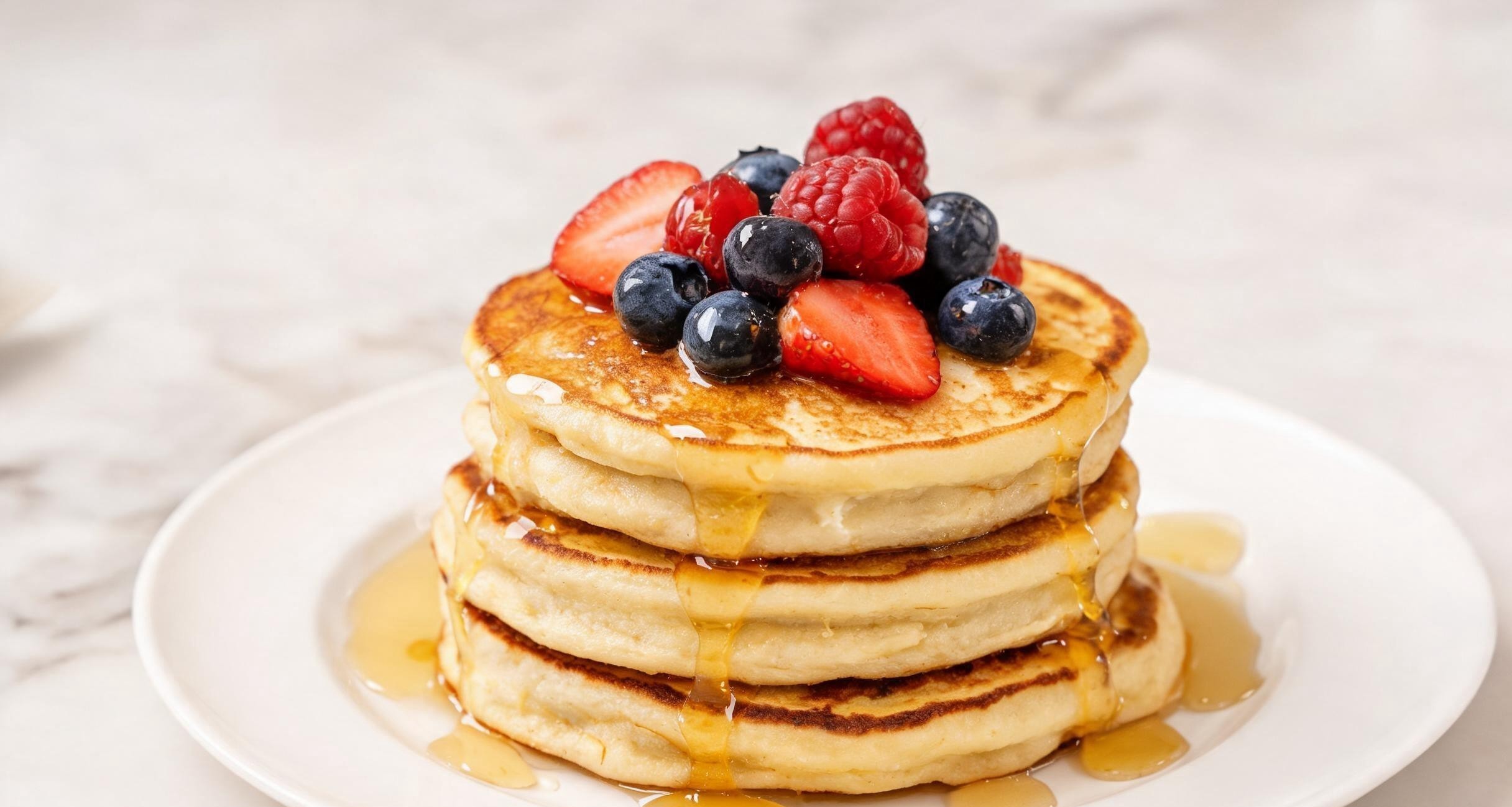
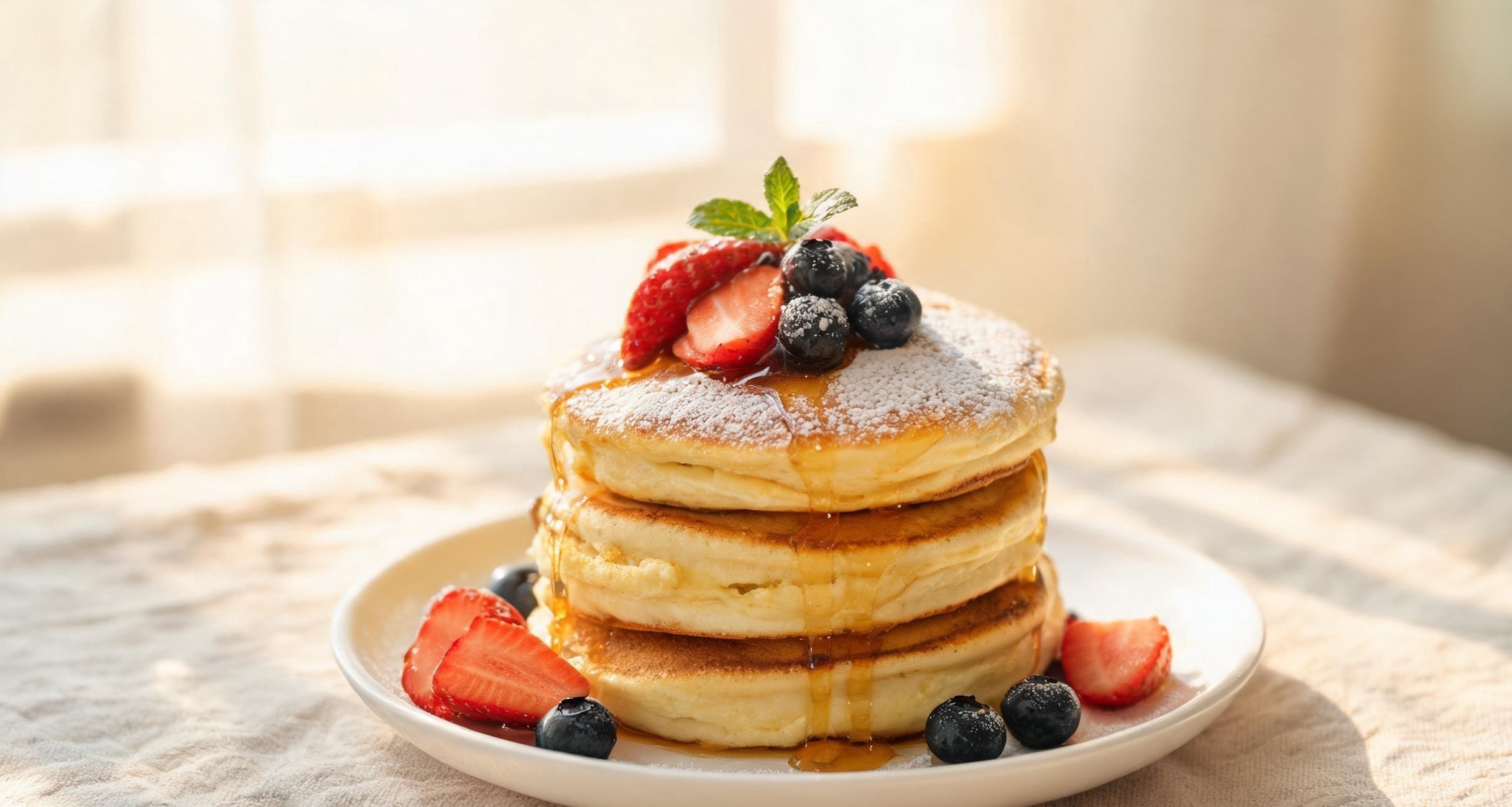
I serve them with a drizzle of honey, not maple syrup, because the honey pairs better with the lemon. Some people add fresh berries on top, and that is good, but it is not necessary. The pancakes are rich enough on their own that they do not need a lot of embellishment. A dusting of powdered sugar is enough if you want something visual. I have also made these with orange zest instead of lemon, and with a handful of blueberries folded into the batter, and both variations work. But the plain lemon version is the one I keep coming back to, and it is the one that disappears fastest when I put the plate on the table.
The recipe makes about ten to twelve pancakes, which is enough for two people with a reasonable appetite or one person who is not planning to eat again until dinner. I have doubled the recipe for a group of four, and it works fine, though you need a larger pan or you will be standing at the stove for a while. The batter keeps in the refrigerator for a day, so you can mix it the night before and cook the pancakes in the morning, which is what I do when I have guests. The leftover pancakes, if there are any, reheat well in a toaster oven. They are not as good as fresh, but they are better than anything you will get from a freezer aisle.
The one variation I keep coming back to, aside from the basic lemon version, is adding a handful of fresh blueberries to the batter right before cooking. The blueberries burst during cooking and create small pockets of juice that complement the lemon. I fold them in gently after the batter is mixed, so they do not break apart too early. About a half cup of blueberries per batch is enough. More than that and the pancakes become too heavy and the blueberry flavor overpowers the lemon. I have also tried adding a tablespoon of poppy seeds, which adds a slight crunch and a visual interest that makes the pancakes look more deliberate. The poppy seed and lemon combination is not original. It is borrowed from lemon poppy seed cake, and it works in pancakes for the same reason it works in cake: the slight bitterness of the seeds balances the sweetness of the batter and the bright flavor of the lemon zest. My partner prefers the plain version. I prefer the blueberry version. We alternate weekends.