The pizza I made on that Friday night in February was, by any honest measure, terrible. The crust was thick in the middle and burnt on the edges. The cheese had congealed into a rubbery sheet before the bottom had finished cooking. I had used a baking stone I'd bought six months earlier, a jar of supermarket tomato sauce, and a bag of shredded mozzarella. The whole thing took two hours from start to finish and tasted like every bad decision I'd made along the way. My girlfriend ate one slice without complaint and said she wasn't that hungry. I ate three and felt ashamed.
That failure stuck with me in a way that other kitchen mistakes hadn't. I've ruined plenty of dishes, shrugged, and moved on. But pizza felt different. It's supposed to be simple. Flour, water, salt, yeast, tomatoes, cheese. Kids make it. So why couldn't I? I started reading everything I could find about pizza dough, and the first thing that surprised me was how much of the work happens hours before you even think about shaping a crust.
Cold fermentation changed everything. Instead of mixing dough and baking it a few hours later, I started making the dough on Wednesday for a Saturday night pizza. Seventy-two hours in the refrigerator at around 38 degrees F gives the yeast and bacteria time to develop flavors you simply cannot get from a short room-temperature rise. The dough becomes easier to stretch, the crumb opens up with those irregular air pockets you see in good pizzerias, and the taste has a slight tang that reminds you of sourdough without actually being sourdough.
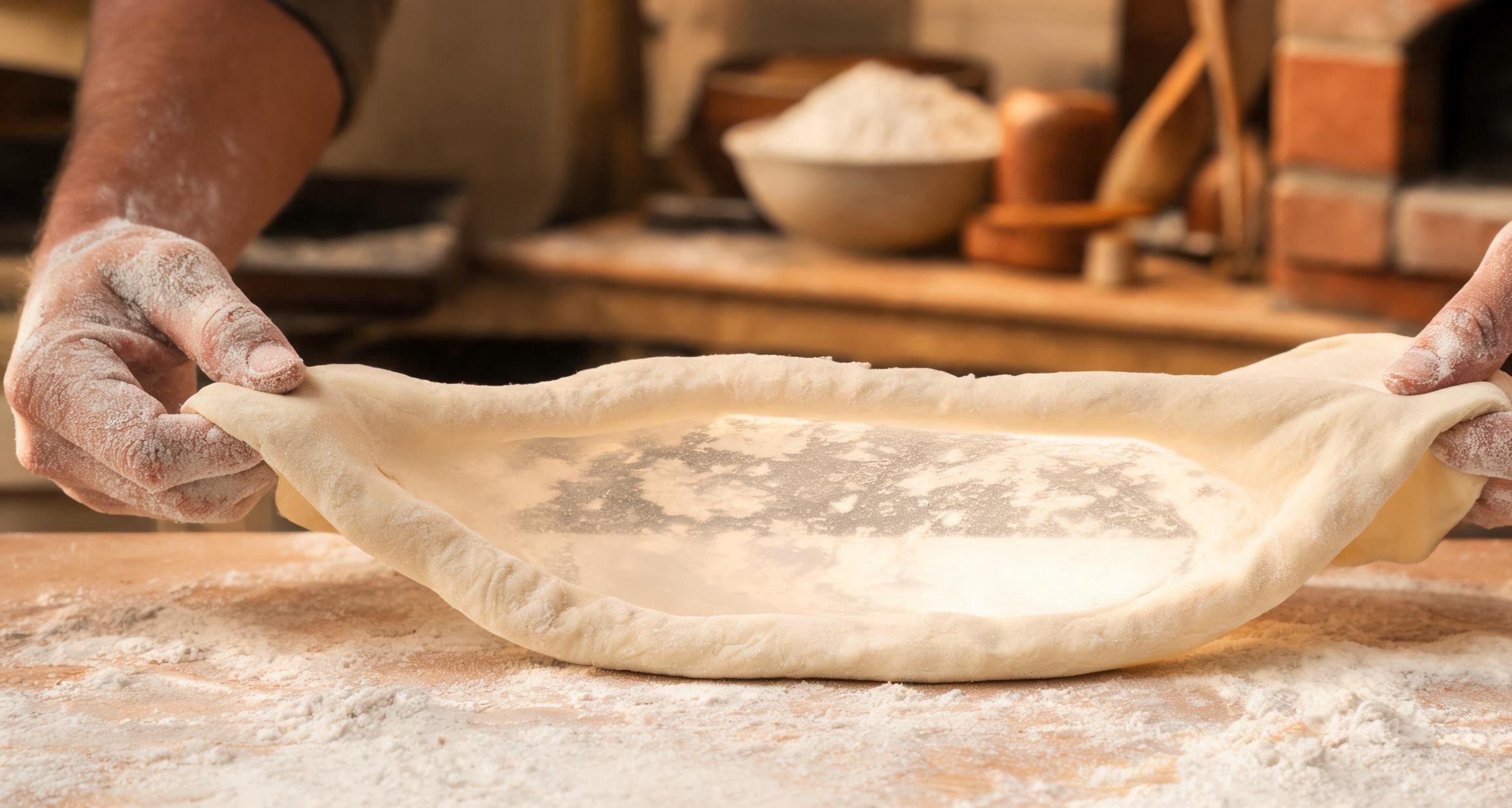
The recipe I settled on after months of testing is lean and precise. Five hundred grams of Tipo 00 flour, three hundred and twenty-five grams of water (that puts hydration at 65 percent, high enough for a nice open crumb but low enough that the dough is manageable for a home cook), fifteen grams of fine sea salt, and just one gram of instant yeast. Mix it until the flour is absorbed, let it rest for twenty minutes, then knead for another five to seven minutes until the dough is smooth and tacky but not sticking to your hands. Divide into two two-hundred-and-sixty-gram balls, place them in a lightly oiled container, and into the fridge they go.
The next debate was the oven setup, and this one gets heated among pizza people in a way that borders on religious. I started with a baking stone, which most home cooks use. The problem with stone at home is that it doesn't conduct heat fast enough. In a wood-fired Neapolitan oven, the floor temperature sits between 800 and 900 degrees. A home oven maxes out at 550, and a ceramic stone takes a long time to transfer that heat to the dough. The bottom of your pizza ends up pale while the top burns.
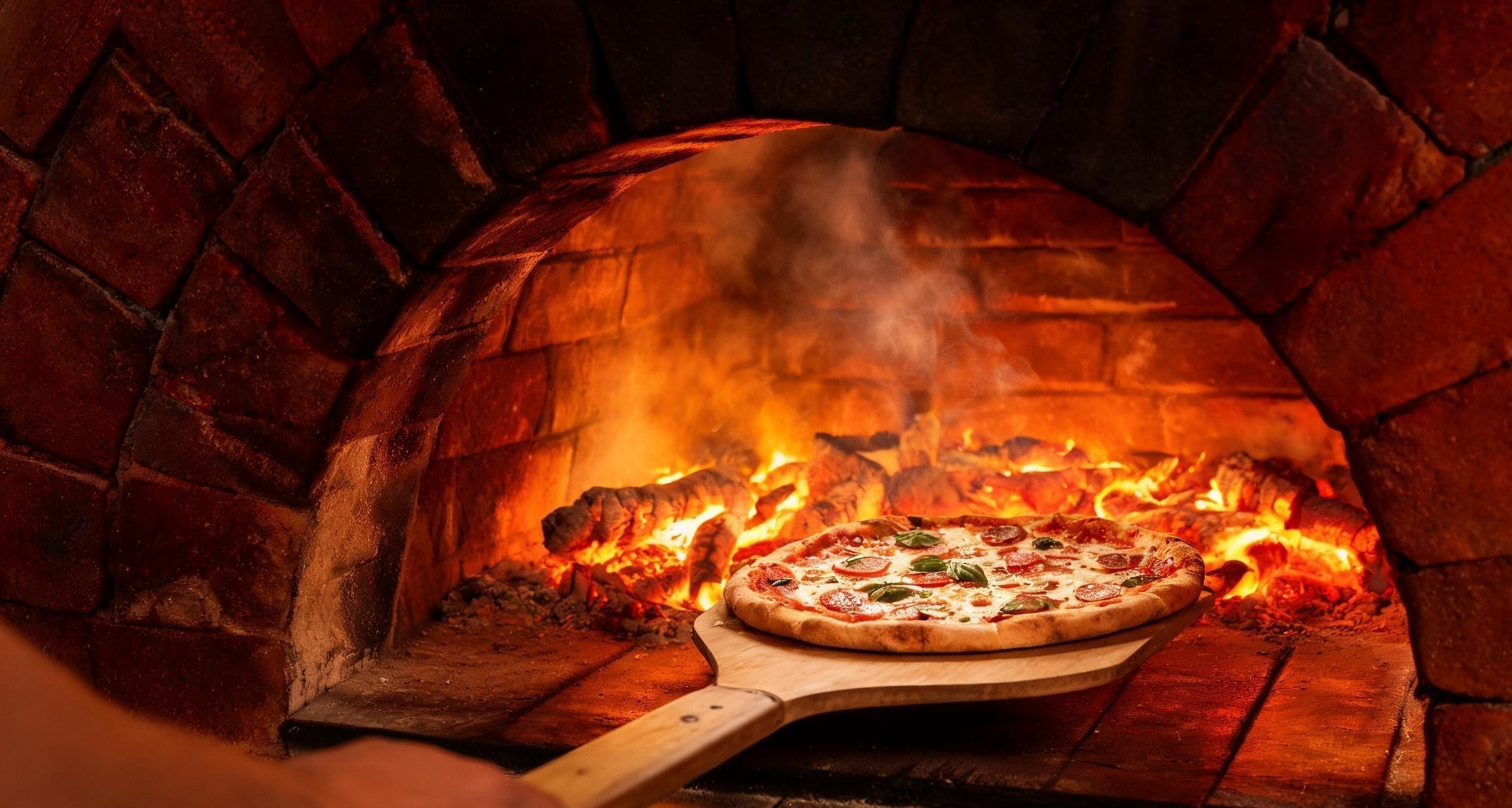
A half-inch steel plate solves this problem. Baking steel, as it's commonly sold, conducts heat about eighteen times faster than ceramic. When you preheat it at 550 degrees for a full hour, the surface temperature reaches something close to what you'd get in a commercial oven. The bottom of the pizza crisps and chars in the three to four minutes it takes to bake. I switched to steel a year ago and the improvement was immediate. No more gummy centers, no more flipping the pizza halfway through. The bottom comes out with a dark, mottled crust while the top gets those leopard-spotted bubbles you associate with Neapolitan pizza.
The sauce is the easiest part, but only if you skip the jarred stuff. A can of whole San Marzano tomatoes, crushed by hand into a bowl, with a pinch of salt and nothing else. That's it. San Marzanos grow in the volcanic soil near Mount Vesuvius, and they have a sweetness and low acidity that sets them apart from other canned tomatoes. Crushing them by hand, rather than blending them, leaves irregular pieces of tomato that break down unevenly during baking. Some spots get concentrated and jammy, others stay bright and fresh. A blended sauce tastes flat by comparison.
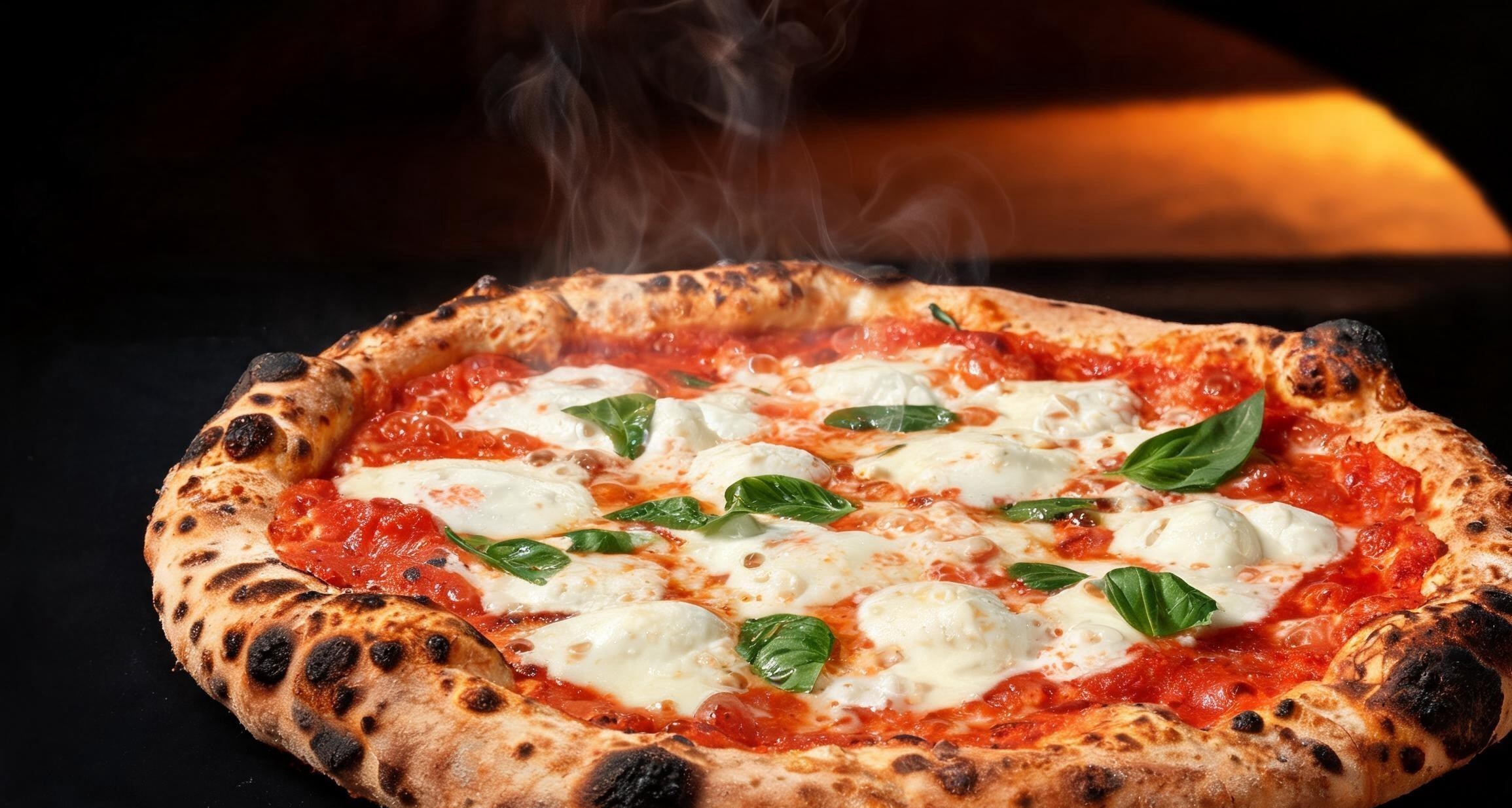
For cheese, I use low-moisture mozzarella grated at home, never the pre-shredded bags coated in anti-caking powder. A few torn pieces of fresh mozzarella on top add creaminess, but too much fresh cheese makes the pizza watery. The trick is keeping the ratio lean. Most people put twice as much cheese as they need. A proper Neapolitan pizza is not heavy. It's soft in the center, charred and crisp on the edge, and you should be able to fold a slice in half without the tip sagging and dumping its contents onto your shirt.
I've accepted that my home oven will never replicate a true Neapolitan pie. The soft, almost soupy center you get at a place like Kesté or Una Pizza Napoletano comes from an oven that bakes the pizza in sixty to ninety seconds. At home, four minutes is your floor. The crust is going to be slightly crispier, a bit more structured. That's fine. It's its own thing now. Friday night pizza in Chicago has become something I look forward to all week, and the process, from mixing dough on Wednesday to pulling the finished pie out of the oven on Saturday, has made me a better and more patient cook in every other area of the kitchen.
That first terrible pizza was three years ago. I still think about it sometimes, mostly because it reminds me that the worst kitchen failures are the ones that teach you something you can't unlearn. I haven't ordered delivery since.