I was raised in East Texas, where barbecue means beef brisket, and the only acceptable sauce is a thin, vinegar-based mop that you apply while the meat is on the smoker. I did not know that barbecue was different in other parts of the South until I drove to South Carolina for a wedding and someone handed me a pulled pork sandwich that was bright orange. The pork had been chopped fine, not pulled, and dressed with a mustard-based sauce that tasted like it belonged on a pretzel. I took one bite and thought something was wrong. I took a second bite and started to understand. This was not bad barbecue. It was just barbecue from a different world. The whole pulled pork sandwich cost five dollars and came on a bun with coleslaw on top, and by the time I finished it, I was rethinking everything I thought I knew about cooking meat low and slow. That is the thing about American barbecue: it changes every time you cross a state line, and the people on the other side are just as convinced they are right as you are.
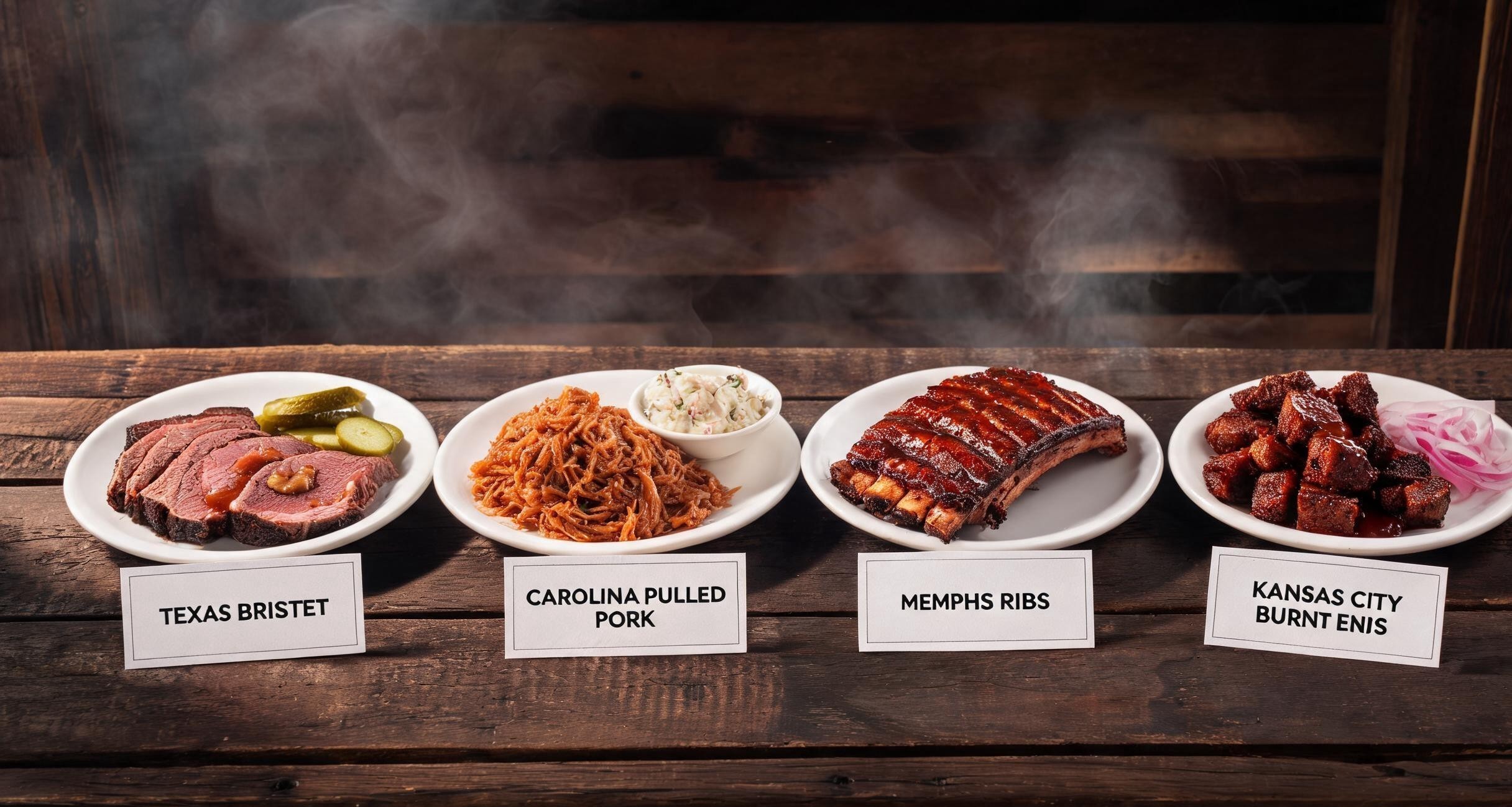
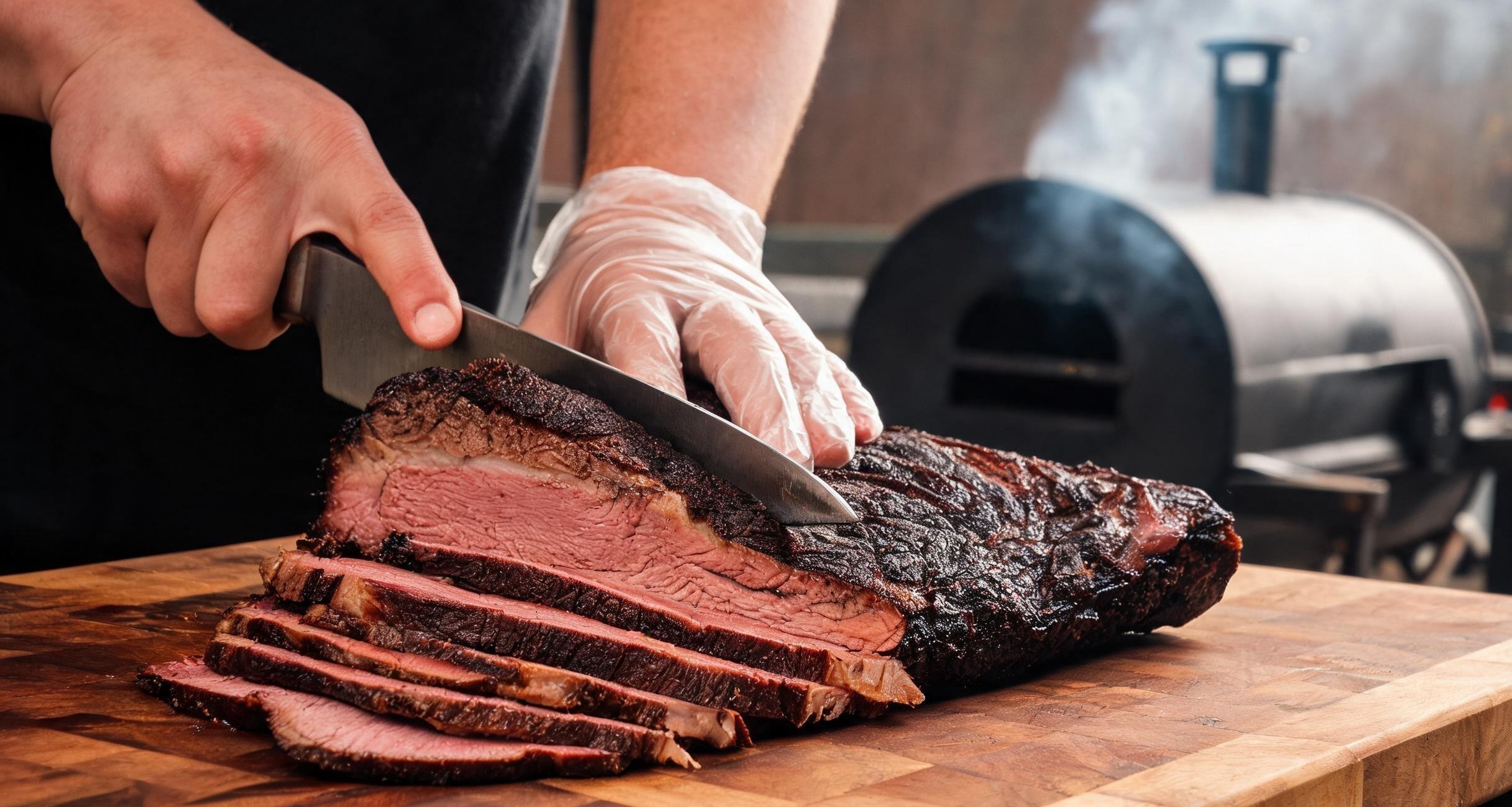
In central Texas, the barbecue tradition is built around beef, in particular the beef brisket. The meat is rubbed with salt and pepper, sometimes nothing else, and smoked over post oak or mesquite for twelve to eighteen hours until the exterior develops a dark, crackling bark and the interior is tender enough to cut with the side of a fork. The brisket is sliced to order, usually by weight, and served on butcher paper with white bread, pickles, and raw onion. No sauce. The idea in Texas is that if the meat needs sauce, it was not cooked right. I have eaten brisket at Franklin Barbecue in Austin, where the line starts at dawn, and at small-town joints in Lockhart where the pit has been burning since five in the morning and the brisket is sold out by noon. The best Texas brisket has a smoke ring half an inch deep, a peppery crust, and a juiciness that seems impossible for a cut of meat that spent fifteen hours in a smoker. It is not fancy. It is just beef, salt, pepper, smoke, and time. The simplicity is the point.
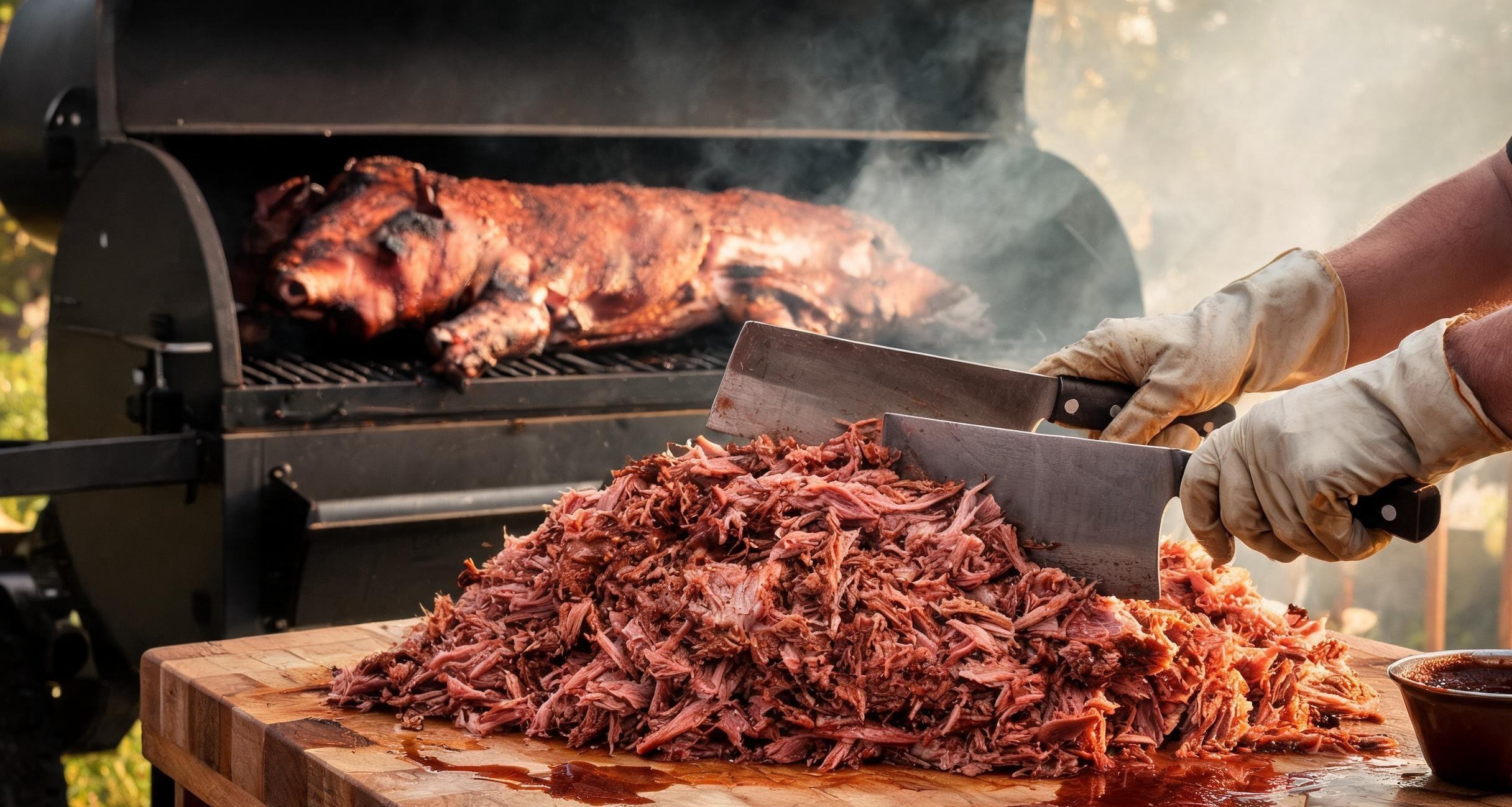
In eastern North Carolina, barbecue is a completely different animal, literally and philosophically. The meat is pork, always whole hog, and it is cooked over hardwood coals, not in a closed smoker. The pig is split open and laid flat on a grate, and the cook tends it by hand, basting and turning for eight to ten hours. When it is done, the meat is chopped, not pulled, and dressed with a thin sauce made from cider vinegar, red pepper flakes, and a little sugar. The sauce is sharp and acidic, and it cuts through the rich, fatty pork in a way that sweet tomato-based sauces cannot. I ate at a place in Ayden, North Carolina, where the pit has been burning for fifty years and the owner still chops the pork by hand with a cleaver on a wooden block. The sandwich was simple: chopped pork on a soft white bun with a generous pour of the vinegar sauce and a scoop of coleslaw. It was five dollars and it was perfect. The vinegar sauce is not optional in eastern North Carolina. It is the reason the sandwich works.
Memphis takes a middle ground between the Texas beef tradition and the Carolina pork tradition, and adds its own wrinkle: dry rub. Memphis barbecue is famous for ribs, in particular pork ribs coated in a dry spice rub that typically includes paprika, garlic powder, onion powder, cumin, brown sugar, and cayenne. The ribs are smoked low and slow until the meat pulls back from the bone, then served with or without sauce, depending on the establishment and the customer's preference. I visited a place on Beale Street that served both wet and dry ribs side by side, and the difference was stark. The dry ribs had a concentrated spice crust that crunched when you bit into them, and the meat underneath was smoky and tender. The wet ribs were the same ribs, finished with a sweet tomato-based mop sauce that added moisture and a sticky glaze. Both were good. The argument between wet and dry in Memphis is the kind of argument that never gets resolved, and nobody wants it to.
Kansas City is where barbecue traditions collide and something new gets created. Kansas City barbecue uses all meats: beef brisket, pork shoulder, ribs, chicken, sausage, and sometimes burnt ends, which are the crispy, caramelized pieces trimmed from the point end of a smoked brisket and served as a standalone item. The sauce is thick and sweet, tomato-based with molasses or brown sugar, and it goes on everything. I ate at a KC spot that served a combination plate with four meats, and each one came with the same thick sauce ladled over the top. The burnt ends were the standout: chewy, caramelized, intensely smoky, with a sweetness from the sauce that balanced the saltiness of the rub. Kansas City does not pretend to be purist about barbecue. It borrows from Texas and the Carolinas and Memphis and makes something that is its own, and the result is a barbecue culture that is more diverse and more accessible than any of the others.
What links these four regions is not the meat or the sauce or the technique. It is the attitude. Barbecue in the American South is not restaurant food in the traditional sense. It is community food, cooked by people who learned from their parents and grandparents, served in places where the decor has not changed since the 1960s and the staff knows your name. The pitmasters I have met across the South share a stubbornness about doing things the old way, even when the old way is harder, slower, and less profitable. They keep the fire burning through the night. They tend the meat by hand. They serve it on paper plates with plastic forks, and they charge prices that make you wonder how they stay in business. That stubbornness is the soul of American barbecue. Without it, you just have grilled meat with sauce.