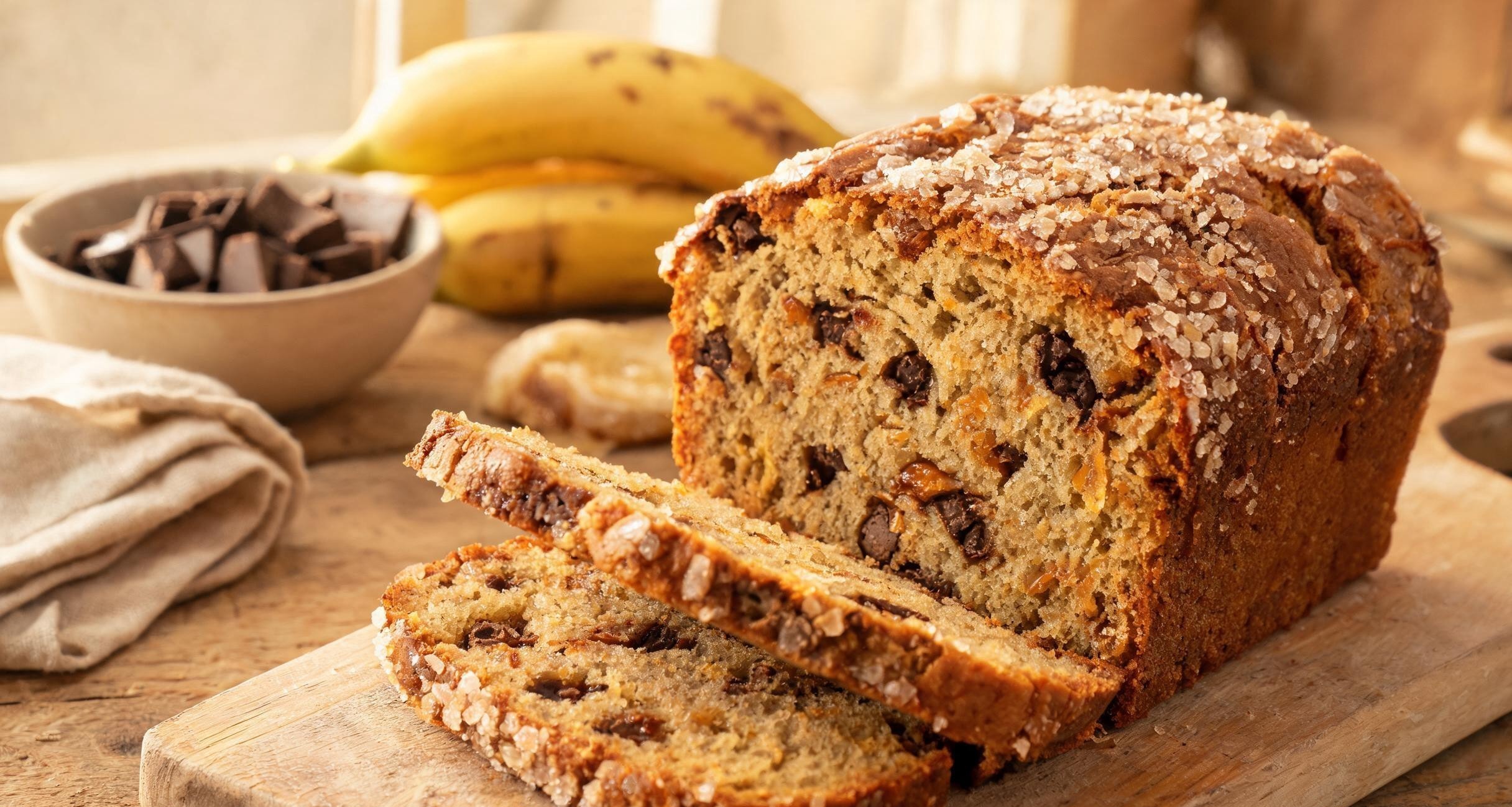
Every banana bread recipe I have ever made tasted the same. Dense, sweet, slightly rubbery, with a faint banana flavor that was more suggestion than statement. I made them because I had overripe bananas and did not know what else to do with them, which is the reason most people make banana bread. It is a way to avoid throwing away fruit. The results were always fine, never memorable, and I stopped thinking about banana bread as something that could actually be good. Then a friend brought a loaf to a dinner party that was different. The crumb was open and tender, the flavor was deep and caramelized, and there were dark chocolate chunks distributed throughout that had melted into soft pockets during baking. The top was crackly and sugary, almost like a sugar cookie crust. I asked for the recipe, and she said the secret was browning the butter first.
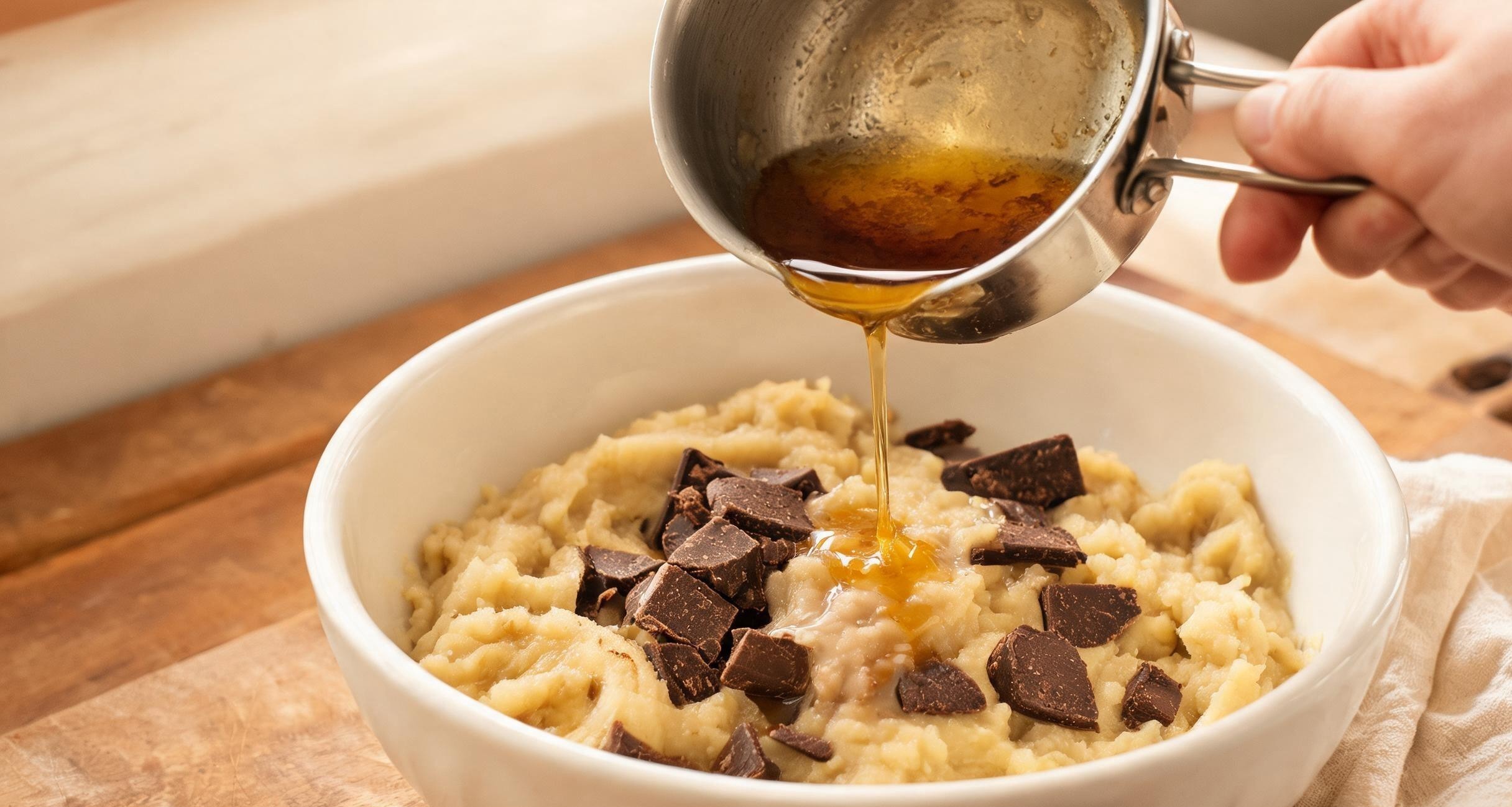
Browning butter, or beurre noisette, is a technique usually associated with French sauces and savory cooking, not with quick breads. You melt butter in a light-colored pan over medium heat and watch it go from yellow to foamy to golden-brown, at which point it smells like toasted nuts and has a depth of flavor that regular butter simply does not have. The browned butter solids are what carry that flavor, so you strain out the milk solids and use the golden liquid fat in the batter. It takes about five minutes, and it requires you to stand at the stove and pay attention, because the line between browned butter and burnt butter is about thirty seconds. But the flavor it adds to the banana bread is so significant that I now consider it a required step, not an optional one. The nutty, toasty quality of the browned butter pairs with the sweetness of the bananas in a way that plain butter cannot match.
The bananas themselves need to be extremely ripe. Not just spotted, but fully blackened, soft enough to mash with a fork, with a skin that practically peels itself. At this stage, the starches in the banana have converted almost entirely to sugar, which means you need less added sugar in the batter and the banana flavor is at its most concentrated. I buy bananas a week in advance and let them sit on the counter until they look like they belong in the compost. If you are in a hurry, you can speed up the process by putting the bananas in a paper bag with an apple, which releases ethylene gas and accelerates ripening. But patience produces better results. The bananas need time to reach their full sweetness, and no technique can replace that natural process. The darker the peel, the sweeter the banana, and the better the bread will taste.
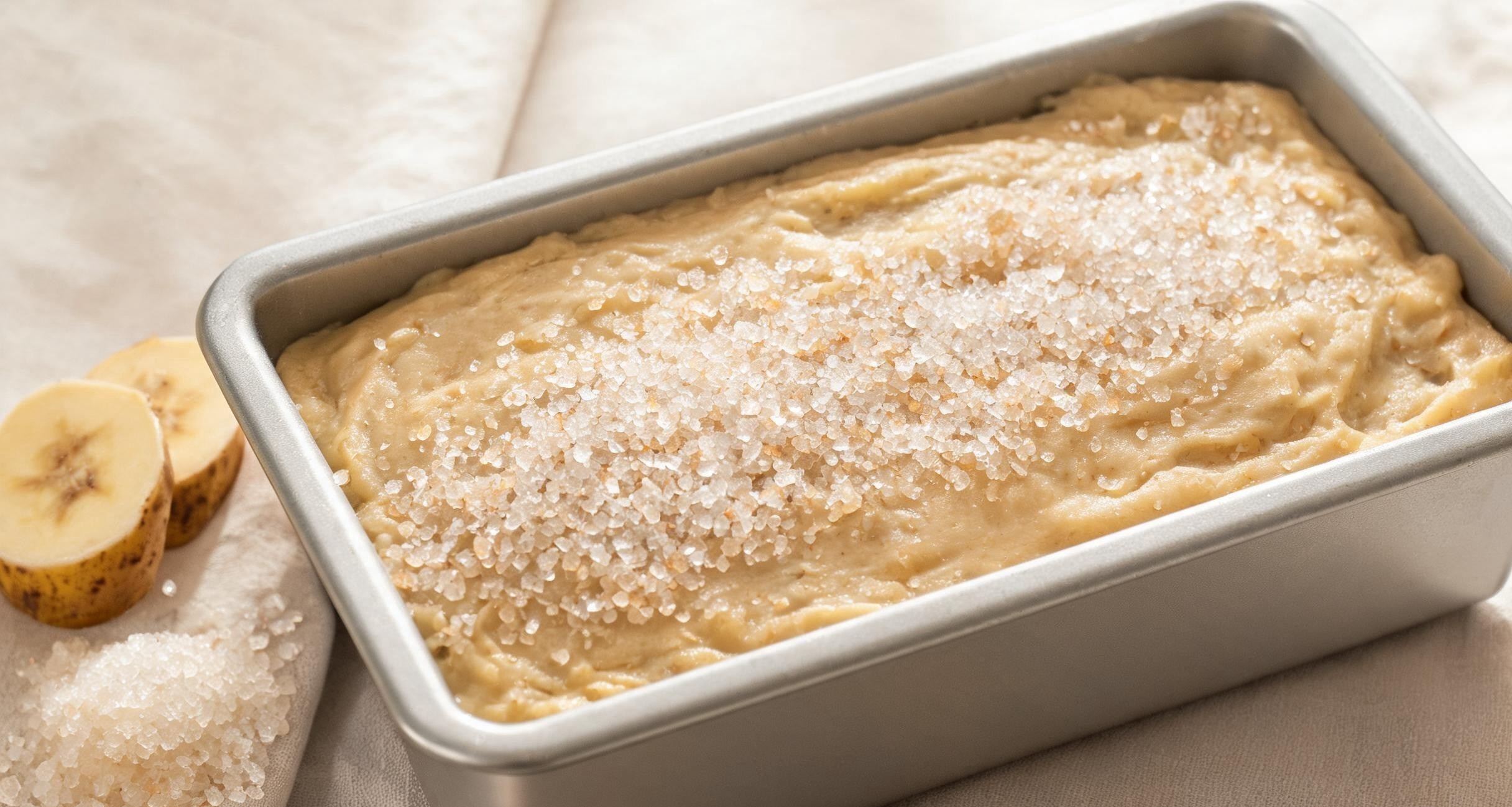
The rest of the batter is straightforward. Two large eggs, a cup of sugar, a third of a cup of sour cream or plain yogurt, a teaspoon of vanilla extract, a teaspoon of baking soda, a half teaspoon of salt, and a cup and a half of all-purpose flour. I use dark chocolate chunks instead of chips, broken into irregular pieces from a bar of seventy percent cacao chocolate. The irregular pieces melt into the bread at different rates, creating pockets of melted chocolate and firmer chunks that hold their shape. For the top, I sprinkle a mixture of coarse sugar and a pinch of cinnamon over the batter before baking, which forms a crackly, sweet crust as it bakes. The loaf bakes at 350 degrees for about fifty-five minutes, until a tester comes out clean and the top is deep golden brown. The sour cream adds moisture and a slight tang that balances the sweetness.
This banana bread is not health food, and it is not trying to be. It is a sweet, buttery, chocolate-studded loaf that happens to use up overripe bananas as a starting point. The browned butter gives it a nutty, caramelized depth that regular butter cannot match. The dark chocolate adds bitterness and richness that balance the sweetness of the bananas. The crackly sugar top provides texture and a satisfying crunch when you bite into the first slice. It keeps well for three or four days wrapped in foil at room temperature, and it makes excellent toast on day three. I have made this loaf at least twenty times in the past year, and it has replaced every other banana bread recipe I ever used. The overripe bananas are no longer something I need to use up. They are something I plan for.
The bananas need to be past the point where you would eat them out of hand. I am talking blackened peels, soft flesh, the kind that make you question whether they are still good. They are. The sugar content peaks when the skins are fully black, and that sweetness is what keeps the bread moist without needing extra oil. I freeze overripe bananas in their peels and thaw them in a bowl of warm water when I want to bake. The thawed bananas are almost liquid, which sounds wrong but incorporates perfectly into the batter. If your bananas are still yellow, wait. If they are speckled, wait longer.