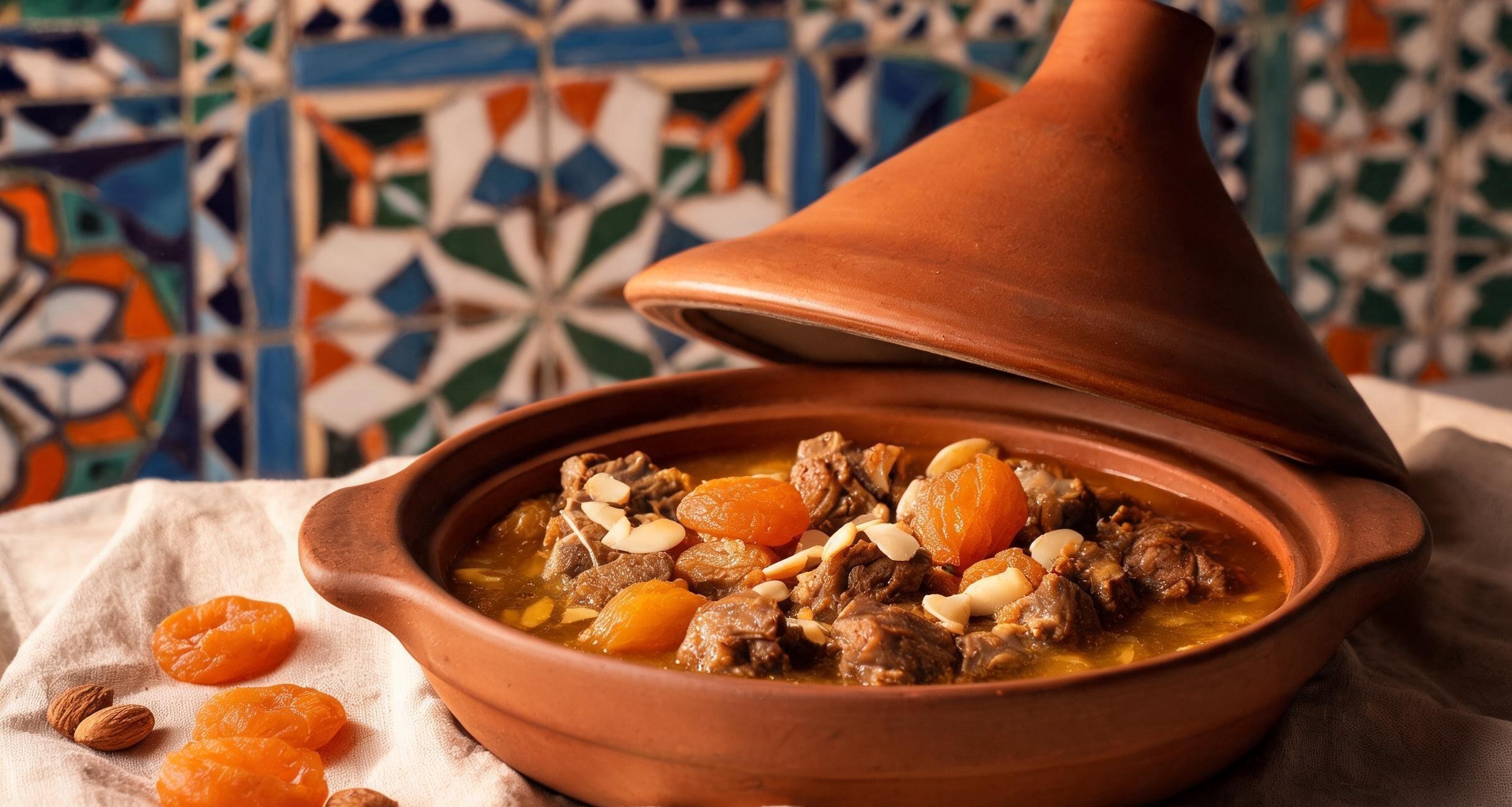
The first time I ate lamb tagine was in a small riad in the Marrakech medina, sitting on floor cushions around a low table while the call to prayer echoed from a nearby minaret. The tagine was brought out in its own clay vessel, the cone-shaped lid lifted to release a plume of steam that smelled of cinnamon, saffron, and slow-cooked meat. The lamb was falling apart, the sauce was thick and sweet from dried fruit, and the almonds on top had been toasted until they were almost burnt. I ate three plates of it and then sat there for another hour, unwilling to move. I have been trying to recreate that meal at home ever since, and I have gotten close enough that I can now make it without the floor cushions.
The cut of lamb matters. Shoulder is ideal because it has enough fat and connective tissue to break down during a long braise and become tender without drying out. I buy a whole shoulder and cut it into two-inch pieces myself, trimming away only the thickest layers of hard fat but leaving everything else. The fat renders into the sauce and gives it a richness that leaner cuts cannot produce. Leg of lamb works if you cannot find shoulder, but you will need to watch it more carefully because it cooks faster. Do not use stew meat labeled generically at the supermarket. You need to see the bone and the shape of the cut to know what you are getting.
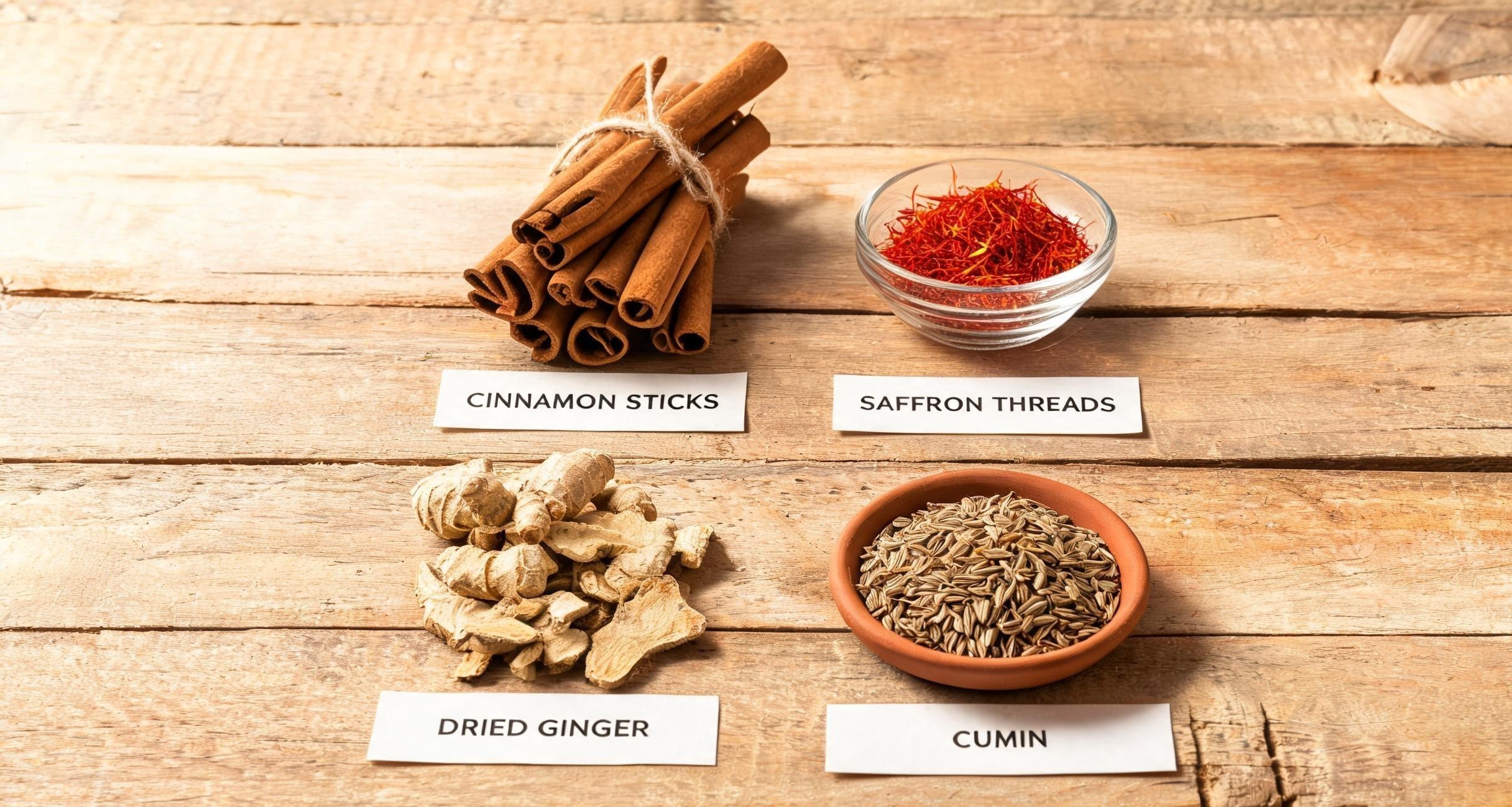
Start by browning the lamb in batches in a heavy Dutch oven over medium-high heat. Do not crowd the pan. You want a deep, dark sear on every surface of every piece, and that means giving each piece room to make contact with the hot metal. This step takes about fifteen minutes and it cannot be rushed. Remove the lamb, lower the heat, and add sliced onions, cooking them until they are soft and beginning to caramelize. Then add the spices: a teaspoon each of ground cinnamon, cumin, coriander, and ginger, plus a good pinch of saffron threads that you have soaked in a tablespoon of warm water. Toast the spices for about thirty seconds, stirring constantly, then return the lamb to the pot and add enough water or chicken stock to barely cover the meat.
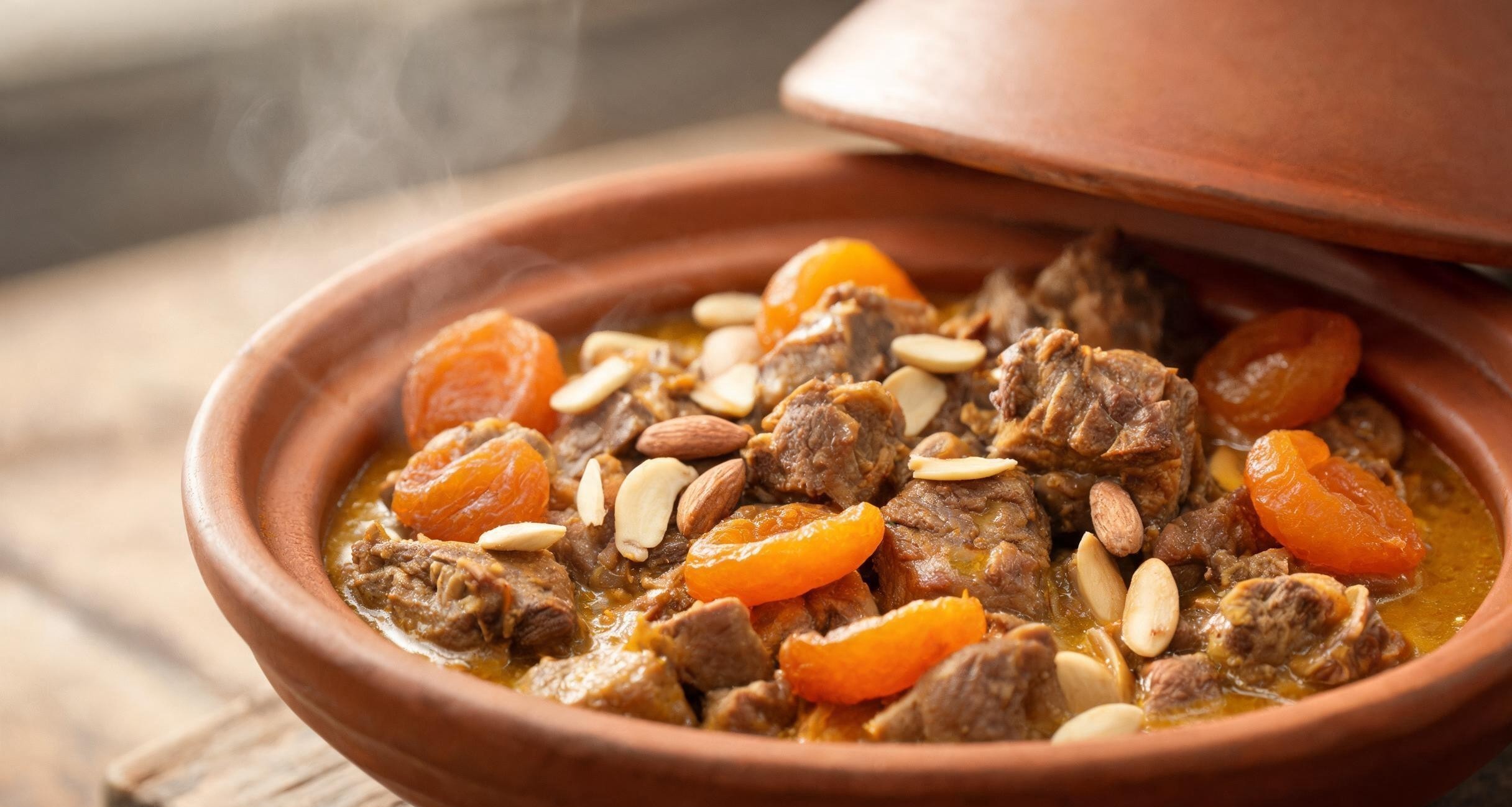
Bring the pot to a simmer, then cover it tightly and reduce the heat to low. The tagine should barely bubble. If you have a traditional clay tagine vessel, use it. It distributes heat gently and keeps the moisture inside. But a heavy enameled Dutch oven works just as well, and honestly, most Moroccan home cooks I have spoken to use pressure cookers or metal pots because they are faster and more practical. Let the lamb braise for about two hours, checking occasionally and adding a splash of water if the liquid gets too low. The meat should be tender enough to cut with a spoon before you move to the next step.
In the final hour, add a cup of dried apricots that have been soaked in warm water for ten minutes, along with a tablespoon of honey and a pinch of salt. The apricots will plump up and break down, thickening the sauce and adding a sweetness that balances the spices. If you are using a traditional clay tagine, arrange the apricots on top of the lamb in a decorative pattern. If you are using a Dutch oven, just stir them in. Scatter a handful of toasted almonds over the top in the last five minutes of cooking.
Serve the tagine with fluffy couscous, not the five-minute kind from a box if you can help it. Steam it properly over the tagine liquid or make it separately with butter and a pinch of salt. A handful of fresh cilantro or flat-leaf parsley on top brightens the whole plate. You could also serve it with crusty bread for scooping up the sauce, which is how I have seen it eaten in Morocco. The bread acts as both utensil and accompaniment, and it is the most satisfying way to eat the dish because nothing gets left behind in the bowl. This is a dish that demands time and patience, and it is not something you can rush. But the payoff is a meal that fills the house with the kind of warm, complex aromas that make people linger at the table long after they have finished eating. I have made this tagine for dinner parties three times now, and each time the conversation keeps going for hours, partly because of the food and partly because nobody wants to leave the kitchen while it still smells like that.
The conical lid of the tagine is not just for show. It creates a dome that catches steam from the simmering stew and returns it to the pot, keeping the meat moist through hours of gentle cooking. The wide base allows for a large surface area where the sauce reduces and concentrates. This design evolved for cooking over coals, where heat management is done by adjusting the distance between the pot and the embers. On a modern stovetop, the equivalent is keeping the flame at the lowest possible setting, just enough to maintain a whisper of steam escaping from under the lid. Patience is the actual recipe.