It was past midnight when I walked out of the east exit of Shinjuku Station and realized every place I knew was closed. I had been at a work dinner that ran late, and the familiar pull of hunger hit me the moment I stepped into the cold January air. Most people in my situation would grab convenience store onigiri and call it a night. But I had a better idea. I turned down a narrow side street off Yasukuni-dori, past a shuttered pachinko parlor and a vending machine glowing alone in the dark, and stopped at a door with a small wooden sign that read "Gyozan." Inside, there were eight stools, a ticket machine, and a man behind the counter who had been making the same bowl of ramen for twenty-three years. That night, I ate the best shoyu ramen I have had in my life.
That is what ramen in Tokyo looks like when you step past the well-trafficked spots. The city has around four thousand ramen shops, and the ones on English-language travel blogs make up maybe one percent. The rest are places like Gyozan: small, family-run, sitting on side streets that Google Maps sometimes does not label. I have been eating my way through them for twelve years. These are the ones that stuck.
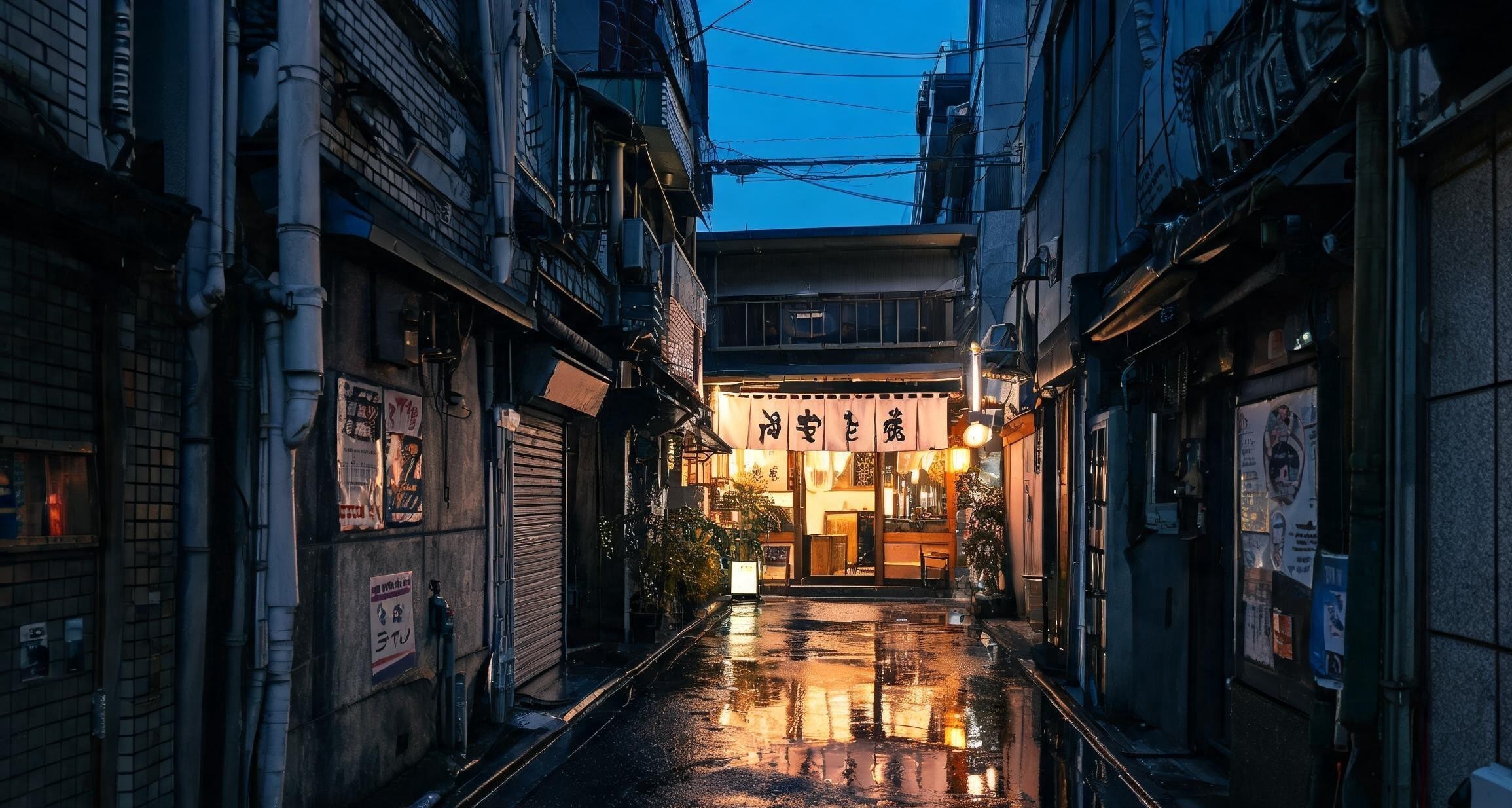
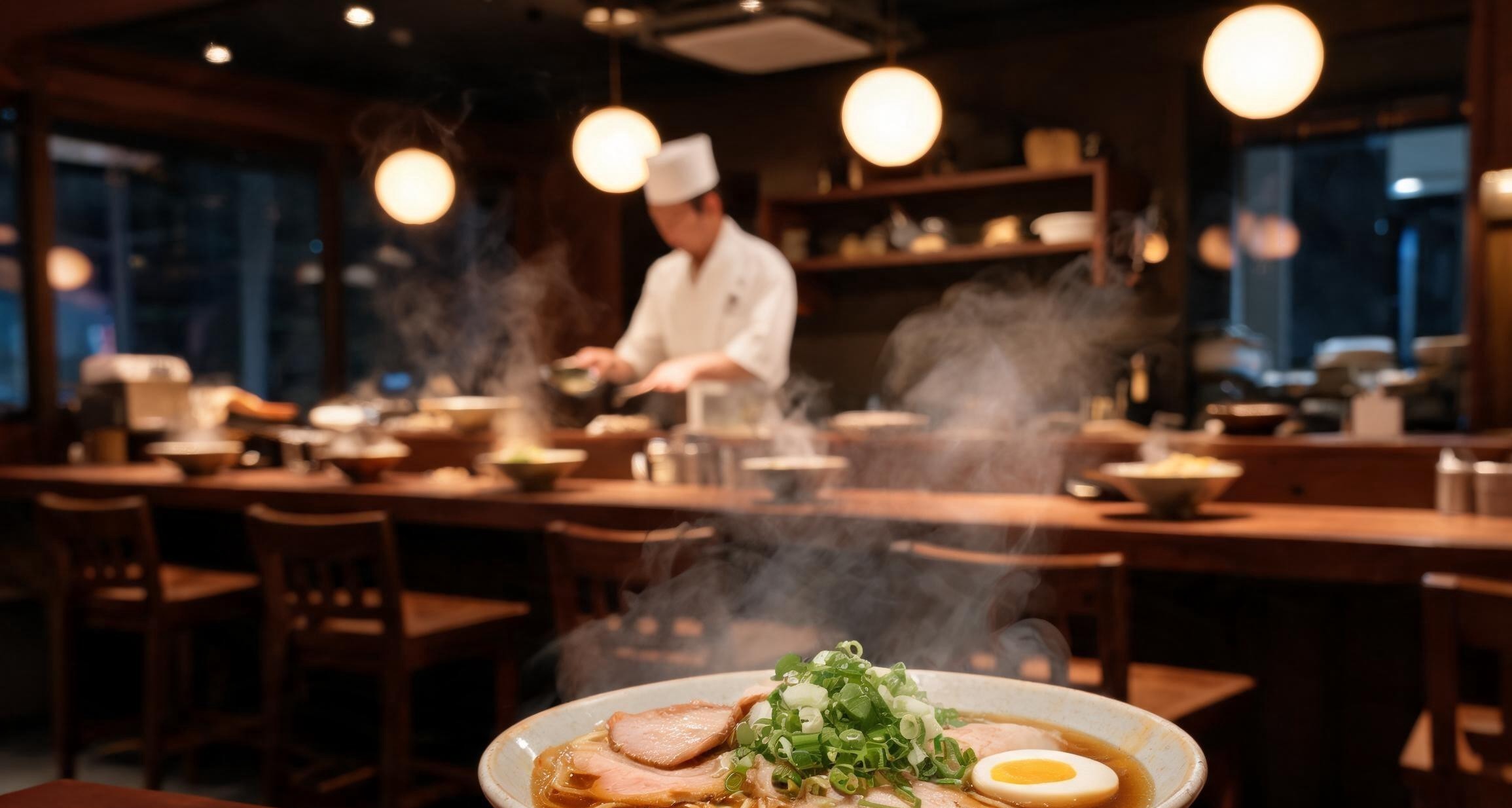
Gyozan, in Shinjuku, is the one I keep coming back to. The shop seats eight people at a wooden counter that faces the open kitchen. The owner, Nakamura-san, makes a shoyu broth from chicken and dried fish, and it has a clarity that most ramen shops cannot manage. It is not heavy, not murky, but deeply savory with a slight smokiness from the dried sardines. The noodles are thin and straight, cooked firm. The chashu is sliced thin and served at room temperature, which sounds wrong but works because the broth is hot enough to warm it in the bowl. A ticket machine at the entrance has pictures, so you do not need Japanese to order. Average price is about 950 yen. Open from 11 AM to 3 AM, closed on Sundays.
Over in Nakano, on a quiet residential block west of the station, Suzuran makes the best miso ramen I have found in western Tokyo. The broth is pork bone finished with red and white miso paste, rich without being oily. The noodles are medium-thickness with a slight curl. Suzuran adds sweet corn and a slab of butter on top, a Hokkaido touch that purists complain about but that I think makes the bowl. Run by a husband and wife, no English menu, but the wife speaks enough to help you order. About 1,100 yen. Open 11 AM to 9 PM, closed Mondays.
In Koenji, Ramen Jiro has a cult following. It is not hidden, with over thirty locations across Japan and a lunch line at the Koenji branch, but the experience is so unlike what visitors expect from ramen that it might as well be. The bowl is massive. The broth is thick pork bone, almost gravy-like. The noodles are thick and soft, served in a mountain that spills over the edges. You get piles of bean sprouts and sliced pork, with options for extra garlic, vegetables, or pork. It is heavy, confrontational eating. No English menu, but pictures on the wall. About 1,000 yen. Open 10 AM to 4 PM, closed Thursdays.
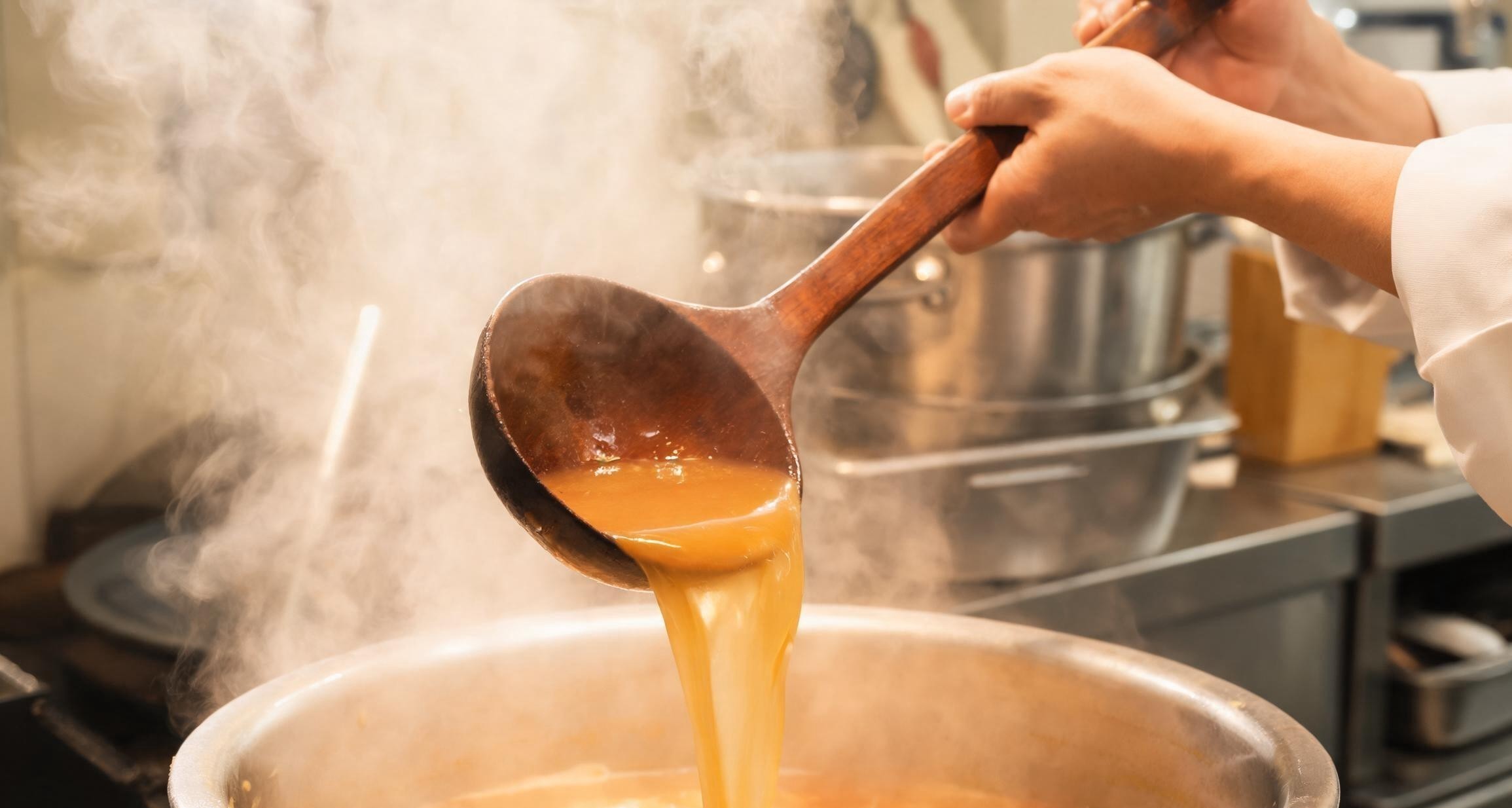
Down a basement staircase in Ikebukuro that you would walk past without knowing it is there, Konjiki Hototogisu serves a hybrid tonkotsu: pork bone tempered with dried seafood and a hint of clam, giving it a sweetness that straight tonkotsu rarely has. It is creamy without being heavy. The noodles are thin and wavy, cooked al dente, and a seasonal menu rotates through variations like truffle salt or clams from specific prefectures. There is an English menu. About 1,400 yen. Open 11 AM to 3 PM and 5 PM to 9 PM, closed Tuesdays and Wednesdays.
In a Shibuya basement underneath a clothing store, Fuunji serves only tsukemen, or dipping noodles. You get a bowl of thick, room-temperature noodles and a separate bowl of concentrated broth. The broth is pork-based and reduced to a sauce, almost thick enough to coat the noodles on its own. You eat quickly, and when you are almost done, a staff member offers to add diluted dashi to the remaining broth so you can drink it as soup. The whole thing takes about ten minutes. English menu and a ticket machine. About 1,050 yen. Open 10:30 AM to 4 PM and 5 PM to midnight, closed Sundays.
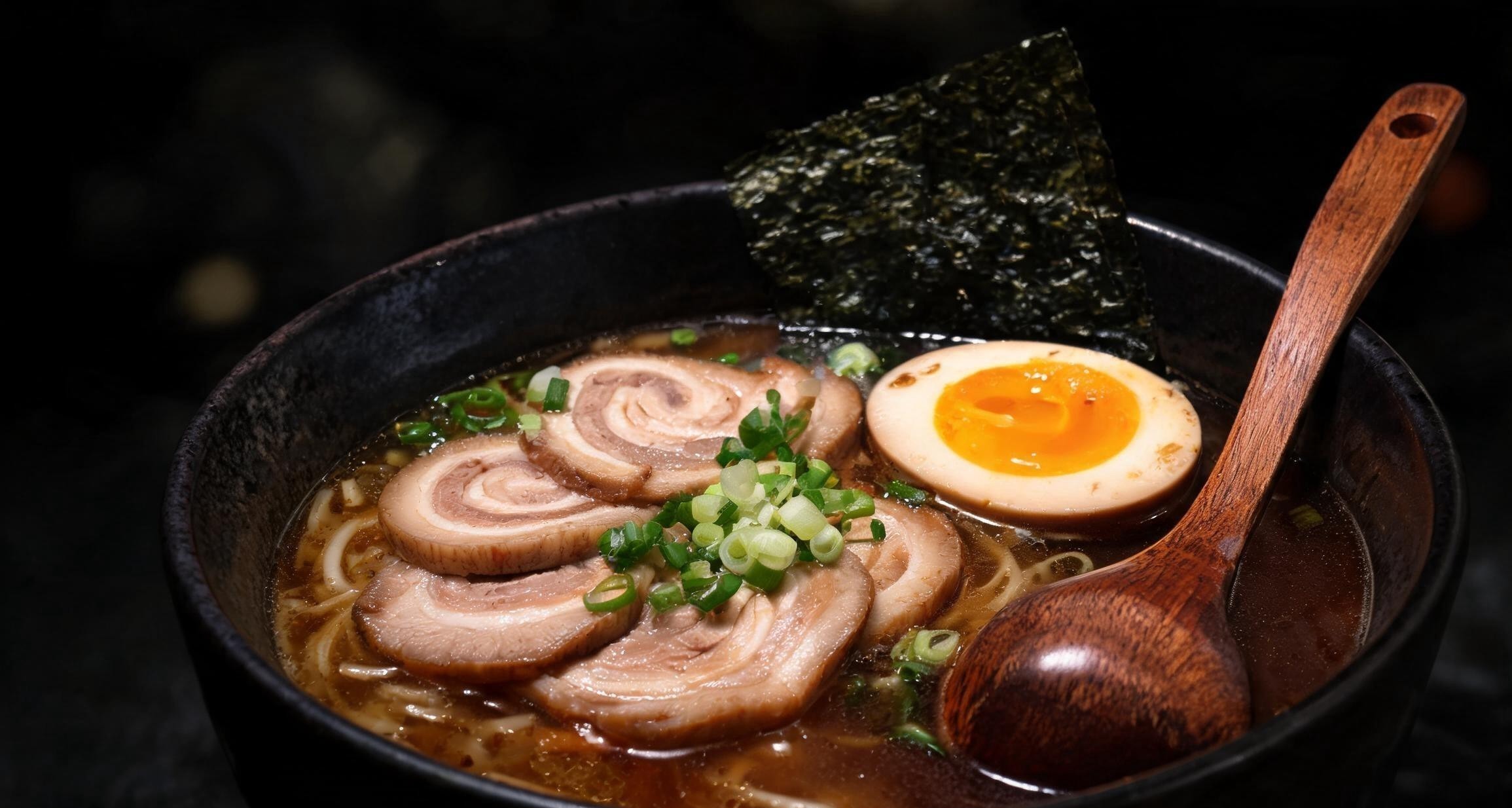
I know people who come to Tokyo and eat ramen at the first place they see near their hotel, or at a chain like Ichiran or Ippudo because the line was short and the ordering machine had English. Those bowls are fine. They are not bad. But they are not what this city does when it is at its best. The best ramen in Tokyo comes from places where one person has been making the same broth every day for a decade or two, where the counter only holds eight or ten people, where there is no gimmick and no story beyond the simple fact that the person behind the counter cares deeply about what they put in the bowl. Those shops do not need a blog post to survive. The locals know. But if you are visiting, and you want to eat what we eat, start by walking past the bright signs and the big lines, and find the small door with the wooden sign that you almost miss.