I grew up in New York, which means I have strong opinions about pizza and have had the same ones for most of my life. New York slice. Thin crust. Fold it in half. Grease on the chin. That was pizza, and everything else was a variation. Naples, as it turns out, is not a variation. It is the source, and eating pizza there for the first time felt like going back to the beginning of something and realizing you have been getting it slightly wrong for thirty years. I spent four days in Naples and ate pizza at eight different places. Four of them were good enough to write about. One of them made me stop comparing everything to New York.
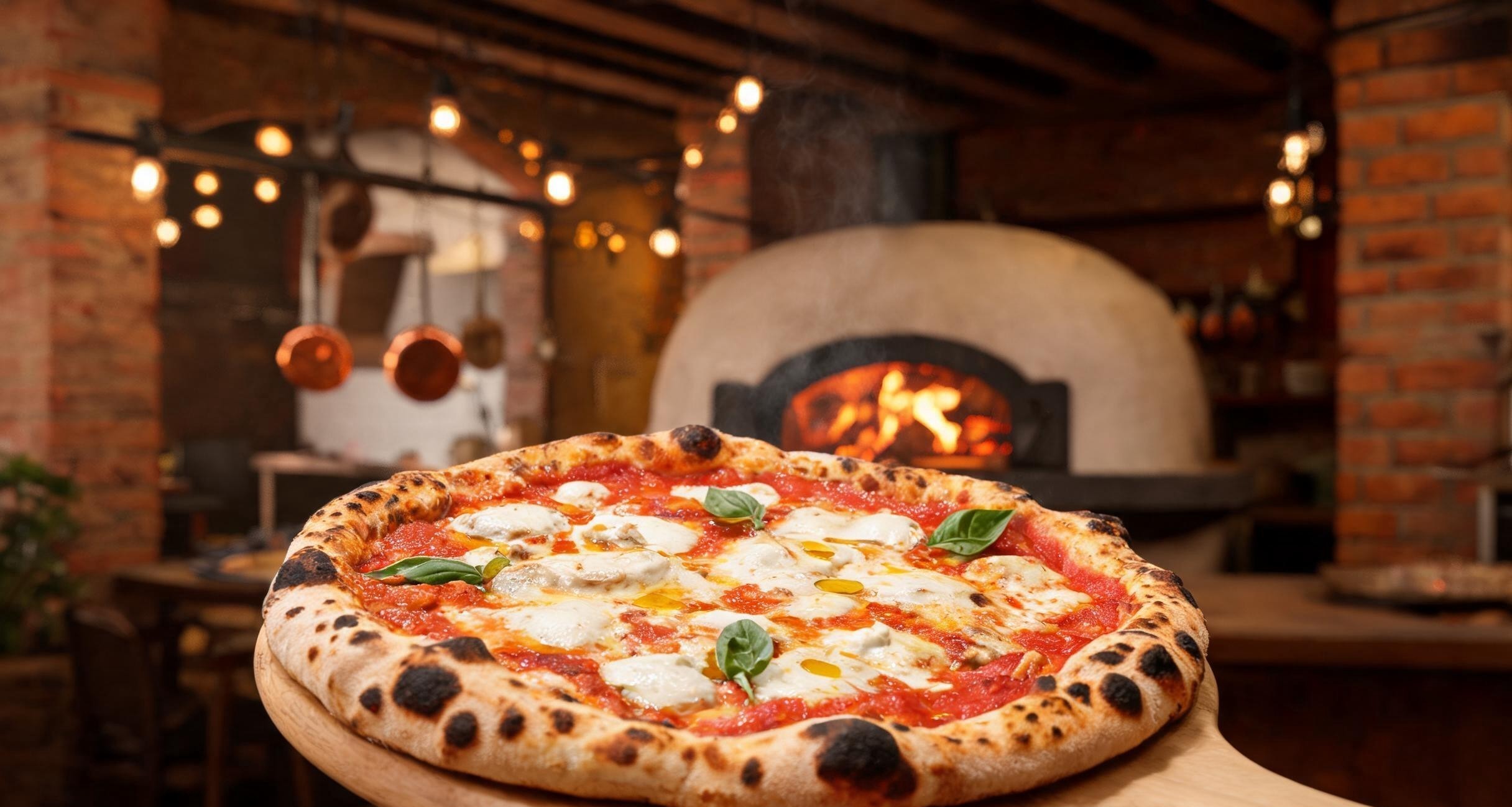
The first was L'Antica Pizzeria da Michele, which opened in 1870 and has been making essentially two pizzas ever since: Margherita and Marinara. That is the entire menu. No appetizers, no salads, no dessert. You walk in, grab a number from the machine by the door, wait, and order one of two things. The Margherita is tomato, mozzarella, basil, and olive oil on a crust that is soft in the center, charred in spots around the edges, and thin enough to fold but thick enough to have real texture. The San Marzano tomatoes are bright and acidic, the fior di latte is milky and soft, and the whole thing is eaten with a knife and fork because the center is too soft to hold. I was skeptical about a place that only makes two pies. After the first bite, I understood why they do not need more.
The second was Sorbillo, a larger, busier, more chaotic operation in the historic center. The line wrapped around the block at lunchtime, and inside it was a controlled frenzy. The pizza here has a slightly puffier crust than da Michele, with more char and a more pronounced chew. I ordered a Margherita with added cherry tomatoes, which burst in the oven and added little pockets of sweetness throughout. The crust had a pronounced leopard-spotting of char that looked almost burnt but tasted smoky and complex. Sorbillo has more toppings available and a larger menu, and the quality is high, but I found myself missing the simplicity of the first place. More options do not always mean a better pizza.
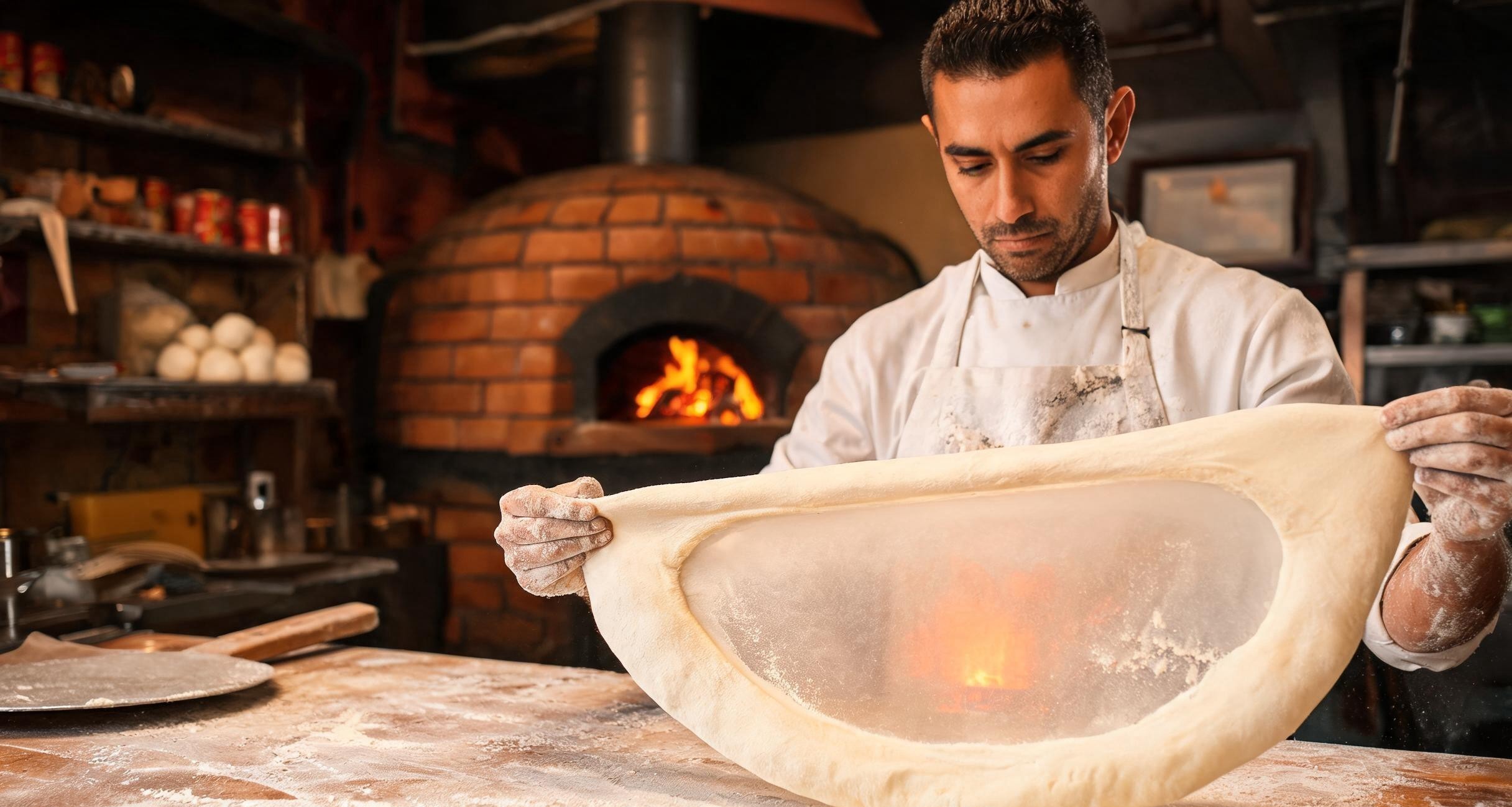
The third was a newer spot, a modern pizzeria with a sleek interior and a menu that went beyond the classics. The dough was excellent, with a tight, even crumb and a crisp exterior. I tried their version with burrata and prosciutto, which was good in the way that an upscale Italian restaurant is good. The ingredients were flawless and the presentation was beautiful. But the pizza felt like a vehicle for toppings rather than a thing unto itself. It was restaurant food, not street food, and I mean that as an observation rather than a criticism. It was just a different category of pizza from what I had been eating. The young pizzaiolo was talented, but he was making food for people who wanted an experience, not for the man on the street who wanted lunch.
The fourth was a tiny place on a side street that I will not name because I do not think it wants to be found by tourists. A friend who lives in Naples took me there at midnight. There were six tables, no menu, and an old man making pizza in an oven that looked like it had been burning since before the building had walls. The pizza was Margherita, nothing else, and it was the best I have ever had. The crust was impossibly light, with bubbles that puffed up and collapsed when I folded it. The tomatoes were raw, laid on the dough before baking, so they kept a brightness that cooked tomatoes lose. The mozzarella was fresh, not aged, and it pooled in the center of the pie. I ate two and sat there for an hour afterward.
What I learned in Naples is that the best pizza is the simplest pizza. Dough, tomatoes, mozzarella, salt, and fire. The oven does most of the work. The pizzaiolo does the rest. Everything else is noise. I still love New York pizza. I still eat it weekly. But after Naples I stopped pretending that New York invented something new. It did not. It adapted something old and made it its own, which is a different and equally valid thing. But the source is Naples, and standing in a cramped pizzeria at midnight eating a Margherita made by someone who has been making the same pie for fifty years is not an experience you can replicate anywhere else.
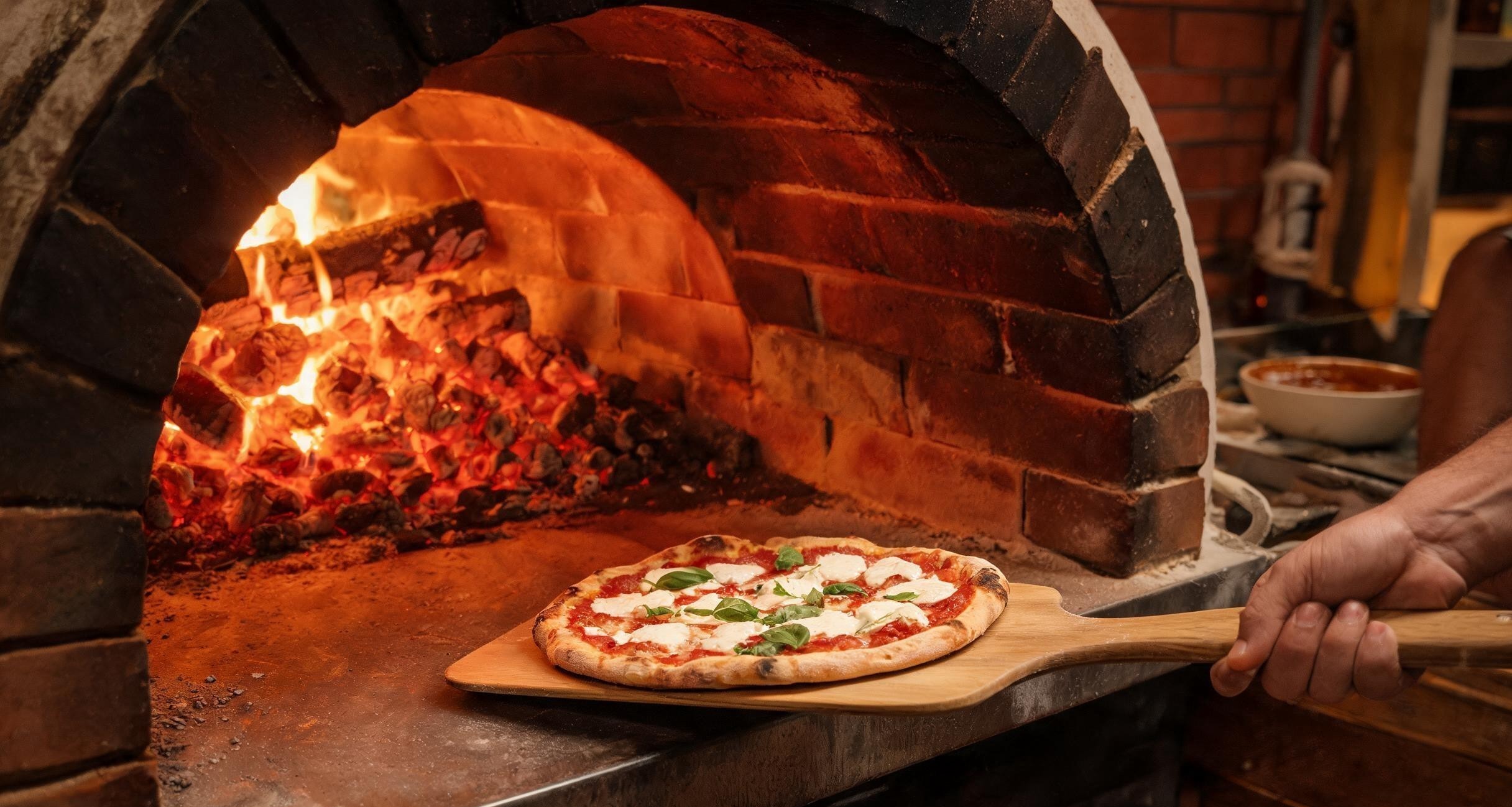
The oven floor in a Neapolitan pizzeria runs between 800 and 900 degrees, which means a pizza goes in and comes out in about sixty to ninety seconds. At that temperature, the crust blisters and chars in spots, creating the leopard-spot pattern that is the signature of a properly baked Neapolitan pie. The cheese, a low-moisture mozzarella or fior di latte, melts but does not brown. The sauce, made from San Marzano tomatoes, barely cooks. The entire topping strategy is built around ingredients that need almost no time on the heat. This is why you cannot replicate this pizza in a home oven. The temperature is the recipe.