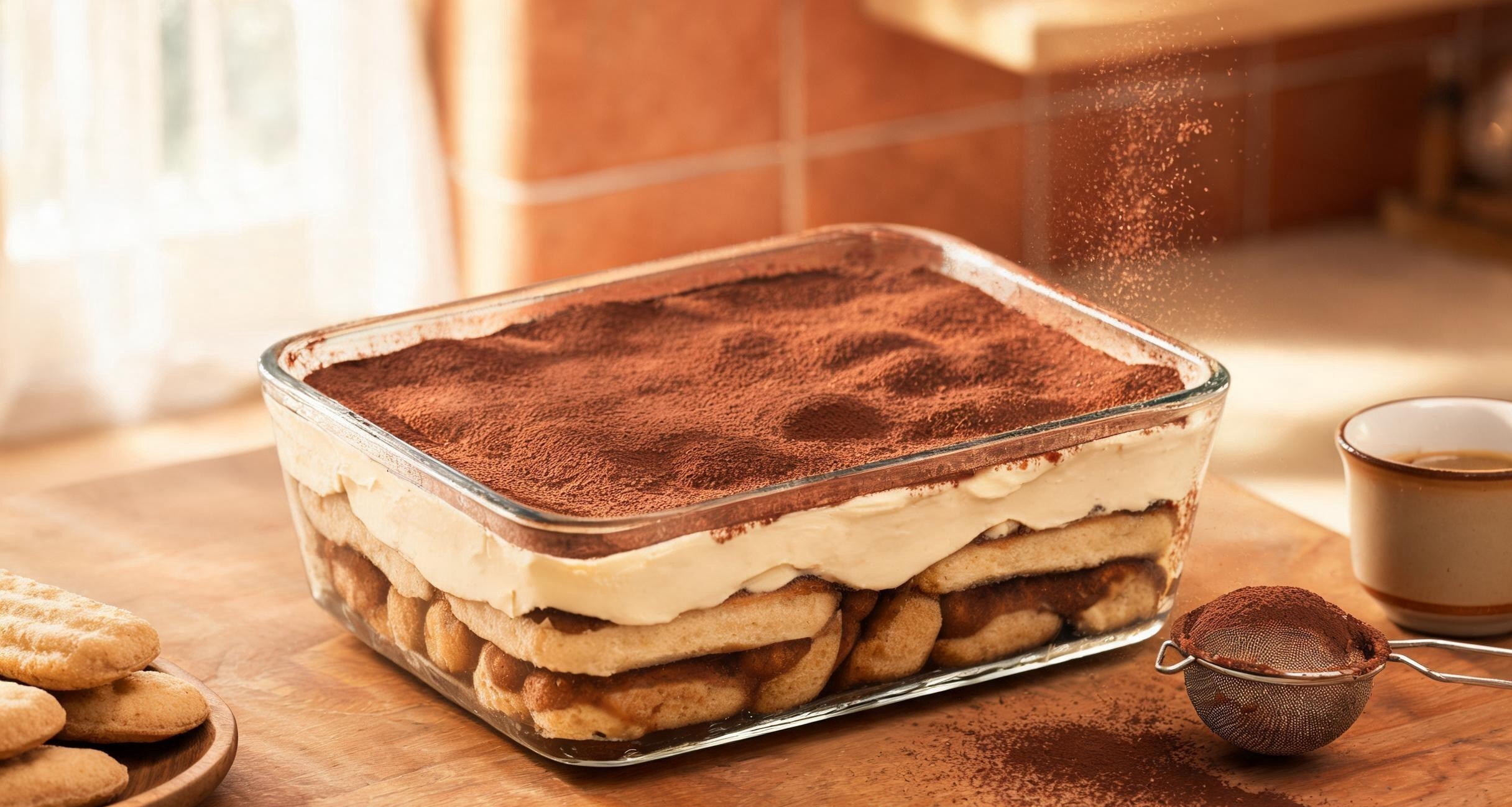
The first tiramisu I had in Italy was at a trattoria in the Trastevere neighborhood of Rome, and it ruined every version I had eaten before. The tiramisu I knew from Italian-American restaurants was a towering, layered construction that was more cake than custard, heavy on the whipped cream and light on the coffee. The Roman version was the opposite: soft, almost spoonable, with a texture closer to pudding than cake. The espresso flavor was immediate and strong, not the faint coffee hint of the American versions. The cocoa on top was dark and slightly bitter. There was no cream in it at all, just mascarpone, eggs, sugar, and coffee. I asked the owner how he made it and he looked at me like I had asked him how to boil water. "Mascarpone, eggs, sugar, coffee, cocoa," he said, holding up fingers to count. "That is it. There is nothing else." He was right. Every addition I have seen since then, the cream, the liqueur, the chocolate shavings, the berry toppings, moves the dish further from what it is supposed to be.
The recipe is simple in concept but requires attention to a couple of details. You need six egg yolks, three quarters of a cup of sugar, one pound of mascarpone, two cups of strong espresso cooled to room temperature, about thirty ladyfinger biscuits, and unsweetened cocoa powder for dusting. Separate the eggs. Beat the yolks with the sugar using an electric mixer for about five minutes, until the mixture is thick, pale, and falls in ribbons from the beaters. This step is important because the sugar needs to dissolve completely and the yolks need to lighten. If the mixture is still thin and yellow after five minutes, keep going. Fold the mascarpone into the yolk mixture gently, in three additions, until combined. Do not whip it or beat it. Folding preserves the air you incorporated into the yolks and keeps the mascarpone from breaking. The resulting mixture should be thick, smooth, and creamy.
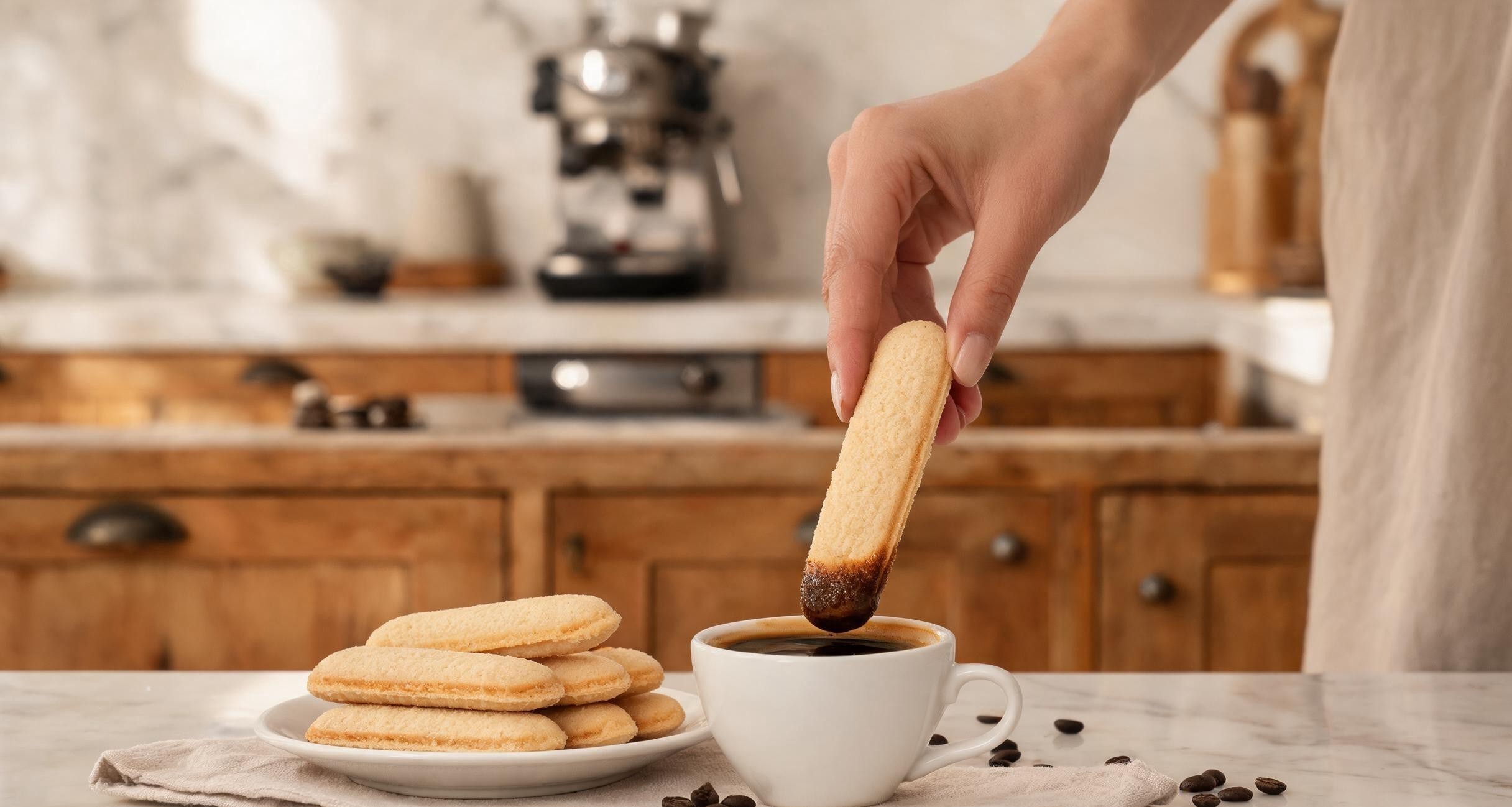
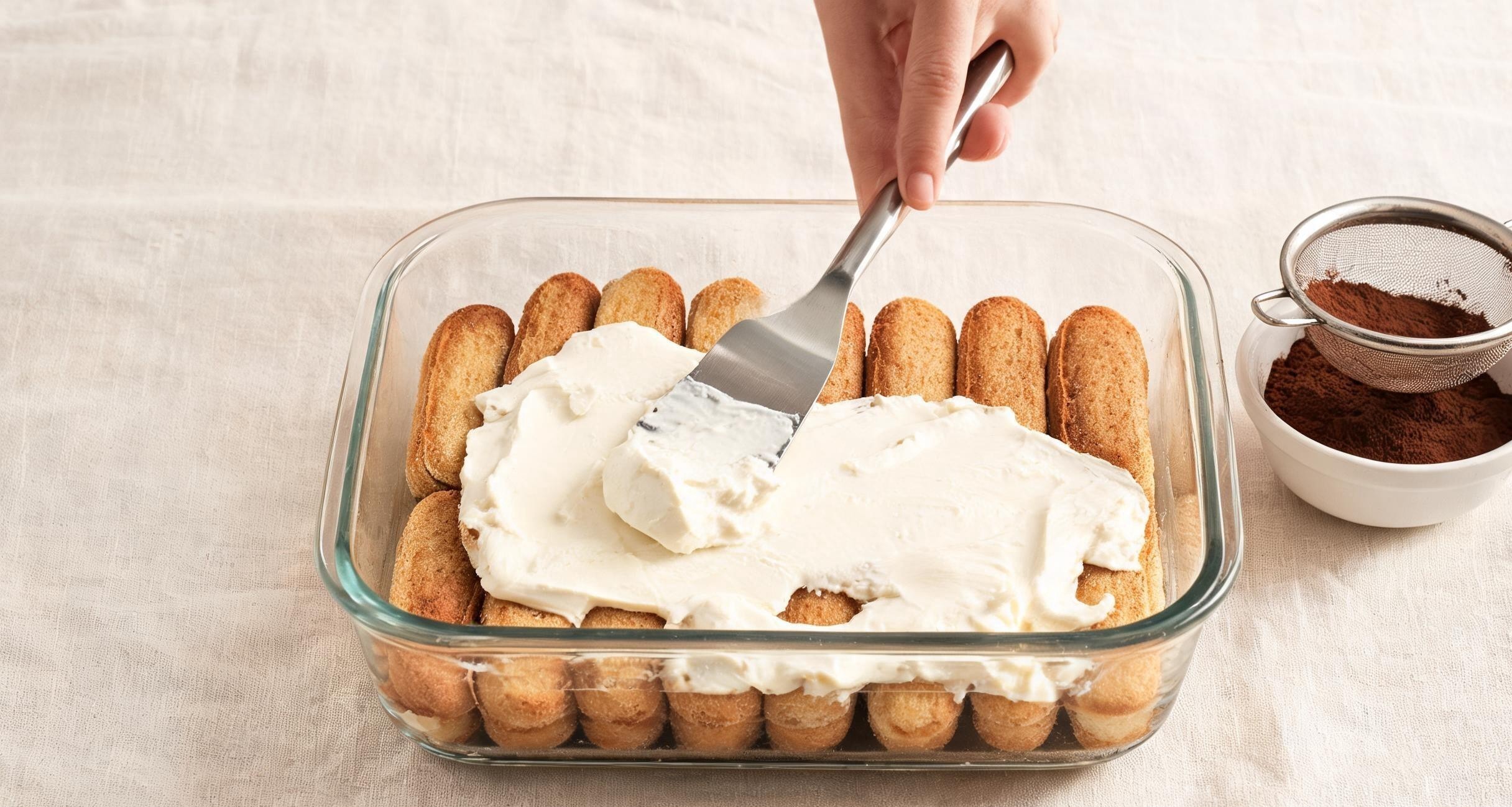
Pour the cooled espresso into a shallow dish. Working quickly, dip each ladyfinger into the espresso for about two seconds per side. Do not soak them. The ladyfingers should be moistened but not soggy, because they will continue to absorb moisture as the tiramisu sits in the refrigerator. If you soak them too long, the bottom layer of the tiramisu will turn to mush. Lay the dipped ladyfingers in a single layer in the bottom of a nine-by-thirteen inch dish. You may need to break a few to fill the gaps. Spread half the mascarpone mixture evenly over the ladyfingers. Repeat with another layer of dipped ladyfingers and the remaining mascarpone. Smooth the top, cover with plastic wrap, and refrigerate for at least six hours, though overnight is better. The resting time allows the flavors to meld and the ladyfingers to soften to the right consistency. Before serving, dust the top generously with cocoa powder, using a fine-mesh strainer.
The eggs are the one ingredient that makes some people nervous, because the yolks are not cooked. In Italy, this is standard practice. The yolks are safe to eat raw as long as you are using fresh, high-quality eggs from a reliable source. If this concerns you, you can use pasteurized eggs, which are widely available. What you should not do is what many American recipes suggest, which is to add whipped heavy cream to the mascarpone mixture. Cream makes the tiramisu lighter and fluffier, but it also dilutes the mascarpone flavor and changes the texture from dense and creamy to airy and mousse-like. The original version, with just mascarpone and egg yolks, is richer and more intense. It is also more stable, holding its shape in the refrigerator for days without weeping or collapsing.
I make this recipe at least once a month, usually when we have people over for dinner, because it is one of the few desserts that is better made a day ahead. The espresso needs to be good. I use a double shot from my moka pot, diluted with a little hot water to make two cups. Instant espresso works too, dissolved in hot water. Do not use regular brewed coffee, which is too weak and too watery to flavor the ladyfingers properly. The ladyfingers should be the hard, dry Italian style, sometimes called savoiardi, not the soft cake-like ones sold in some American bakeries. The hard ones absorb the espresso without falling apart. The cocoa powder should be unsweetened Dutch-process cocoa, which has a darker color and a smoother, less acidic flavor than natural cocoa. Dust it on thickly, because the cocoa is the only sweet element in the finished dish, aside from the sugar in the cream. That bitterness against the sweet mascarpone and the coffee-soaked biscuits is the balance that makes tiramisu work.