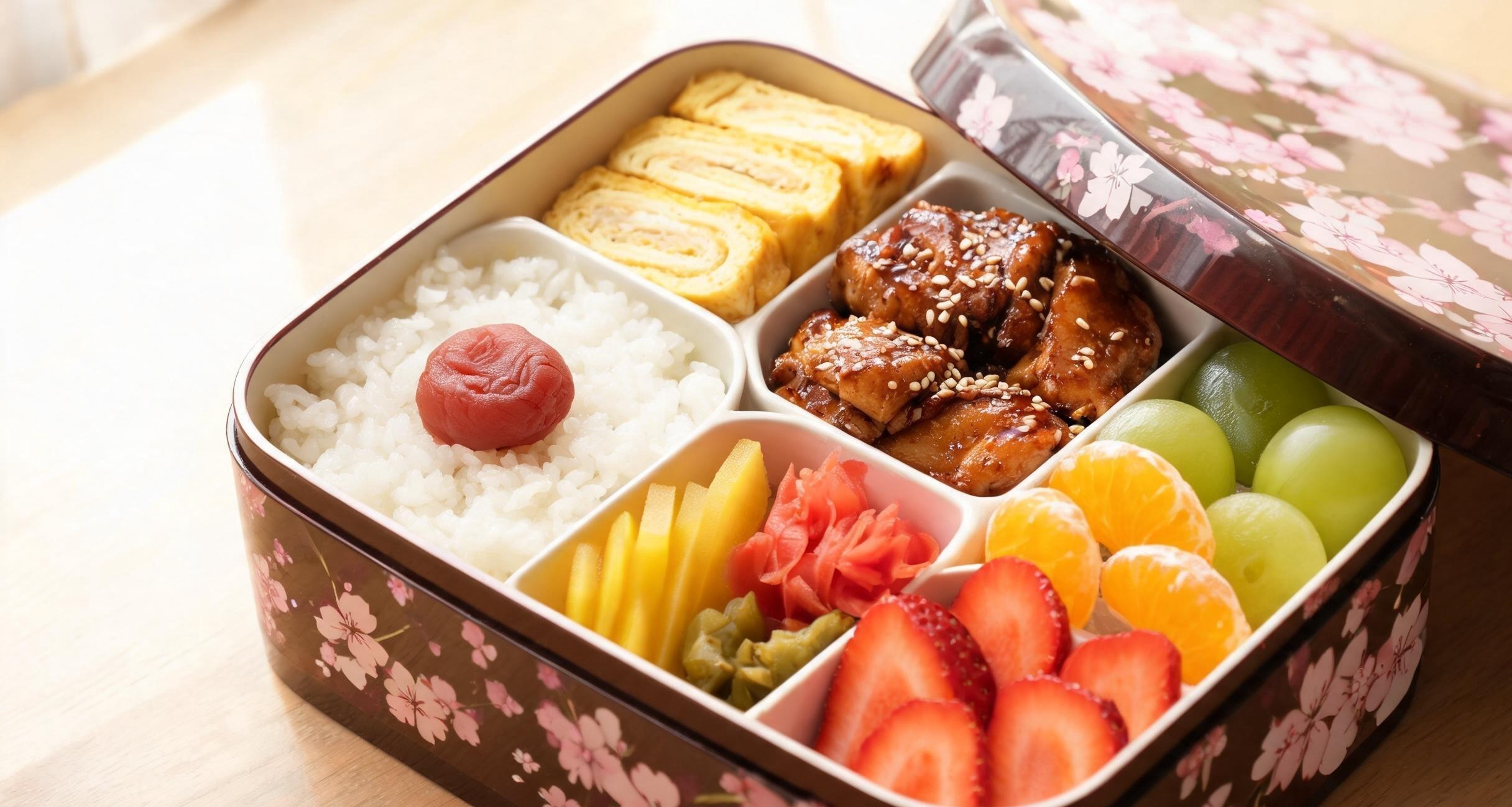
The bento box I bought at Tokyo Station was not the one I wanted. I had read about a particular ekiben, a train station bento, that was only sold at the platform serving the Tohoku Shinkansen line, and it contained grilled salted salmon, pickled vegetables, a small omelet, and rice flavored with broth. By the time I found the platform, the ekiben stand was sold out. The woman behind the counter apologized and pointed me to a different stand that sold a similar box, this one with mackerel instead of salmon and a slightly different vegetable selection. I bought it, took it on the train, and ate it at my seat while the Japanese countryside rushed past the window at two hundred miles per hour. It was good. Not as good as the salmon version I had missed, but the rice was properly seasoned, the mackerel was fresh, and the pickled radish provided a sharp contrast that cut through the richness of the fish.
Bento in Japan is not just a packed lunch. It is a system of eating that reflects how the Japanese think about food, presentation, and daily routine. A proper bento has a balance of rice, protein, and vegetables, arranged in compartments so that the flavors do not mix. The ratio is roughly two parts rice to one part protein to one part vegetables, though this varies. The rice is usually short-grain, slightly sticky, sometimes seasoned with vinegar or broth. The protein might be grilled fish, chicken karaage, a slice of tamagoyaki, or a few meatballs. The vegetables might be pickled daikon, simmered spinach, steamed broccoli, or whatever is in season. The whole thing is designed to be eaten at room temperature, which means the flavors are calibrated differently from a hot meal.
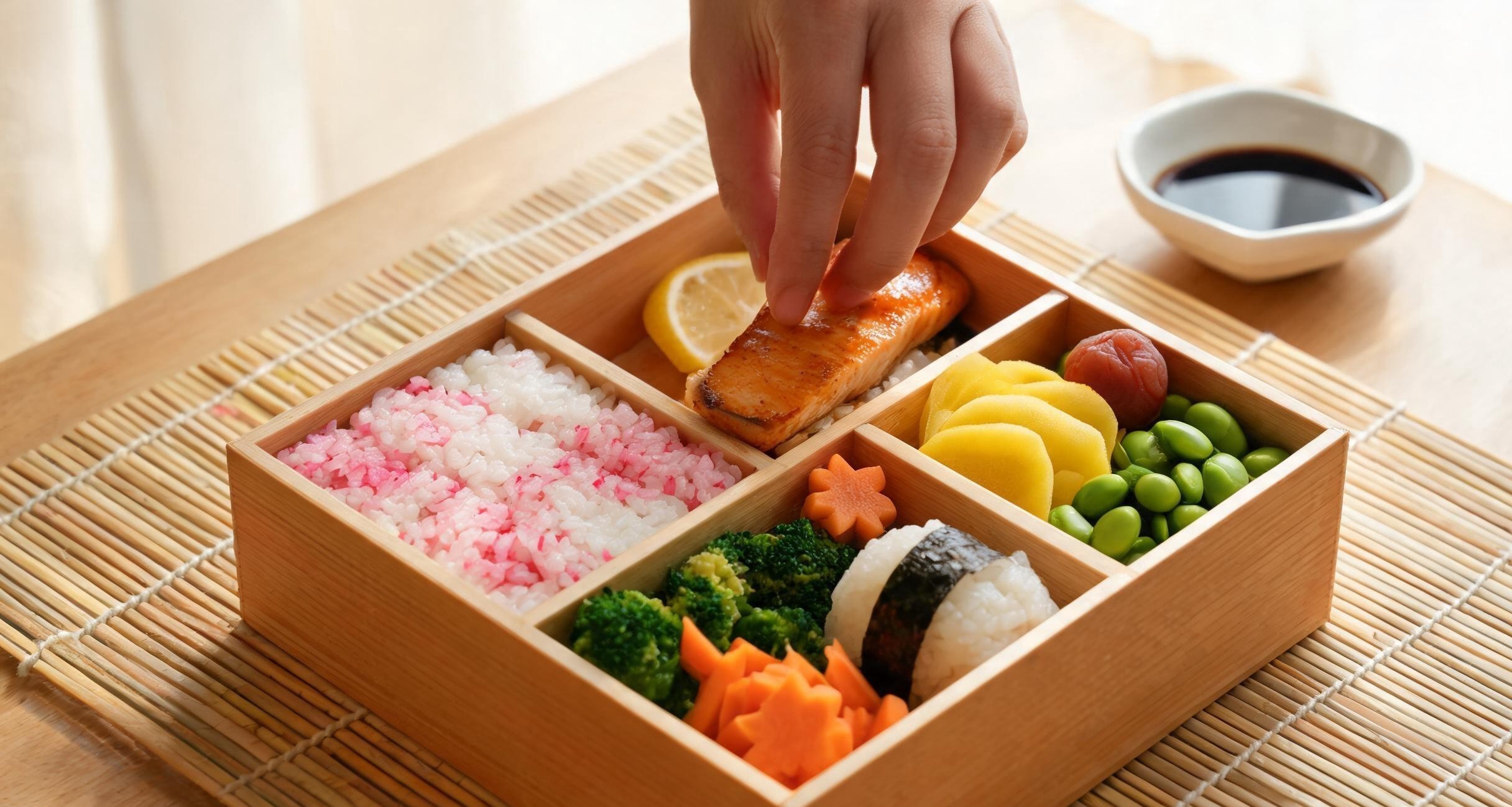
The ekiben culture at train stations is a world of its own. Japan has over five thousand train stations, and many of them sell ekiben that are specific to the region. At Kyoto Station, you can find bento boxes with Kyoto-style vegetables and tofu. At Hakata Station in Fukuoka, the ekiben often contains mentaiko, spicy marinated cod roe. At Sendai Station, the specialty is a bento with grilled eel and chestnut rice. Each region uses the ekiben to showcase local ingredients, and serious train travelers plan their trips around which stations have the best ekiben. There are guidebooks and websites dedicated to ekiben ratings and reviews. The packaging is often elaborate, with decorative wrappers, cloth furoshiki, and compartments made from bamboo or molded plastic.
Mothers in Japan spend a significant amount of time on obento, the bento boxes they make for their children's school lunches. A typical obento for a kindergarten student might contain rice shaped into animals, vegetables cut into flowers, and small portions of fish or chicken arranged in a way that is visually appealing. The mothers I spoke to said that making obento is expected, not optional, and that the quality of a child's obento is one of the ways other parents judge each other. This is not a casual observation. The pressure to produce an attractive, nutritionally balanced obento every single day is real, and some mothers wake up at five in the morning to prepare them. The practice has been criticized by some feminists in Japan as an unreasonable expectation placed on women, and there have been attempts to normalize simpler, less elaborate obento in some schools.
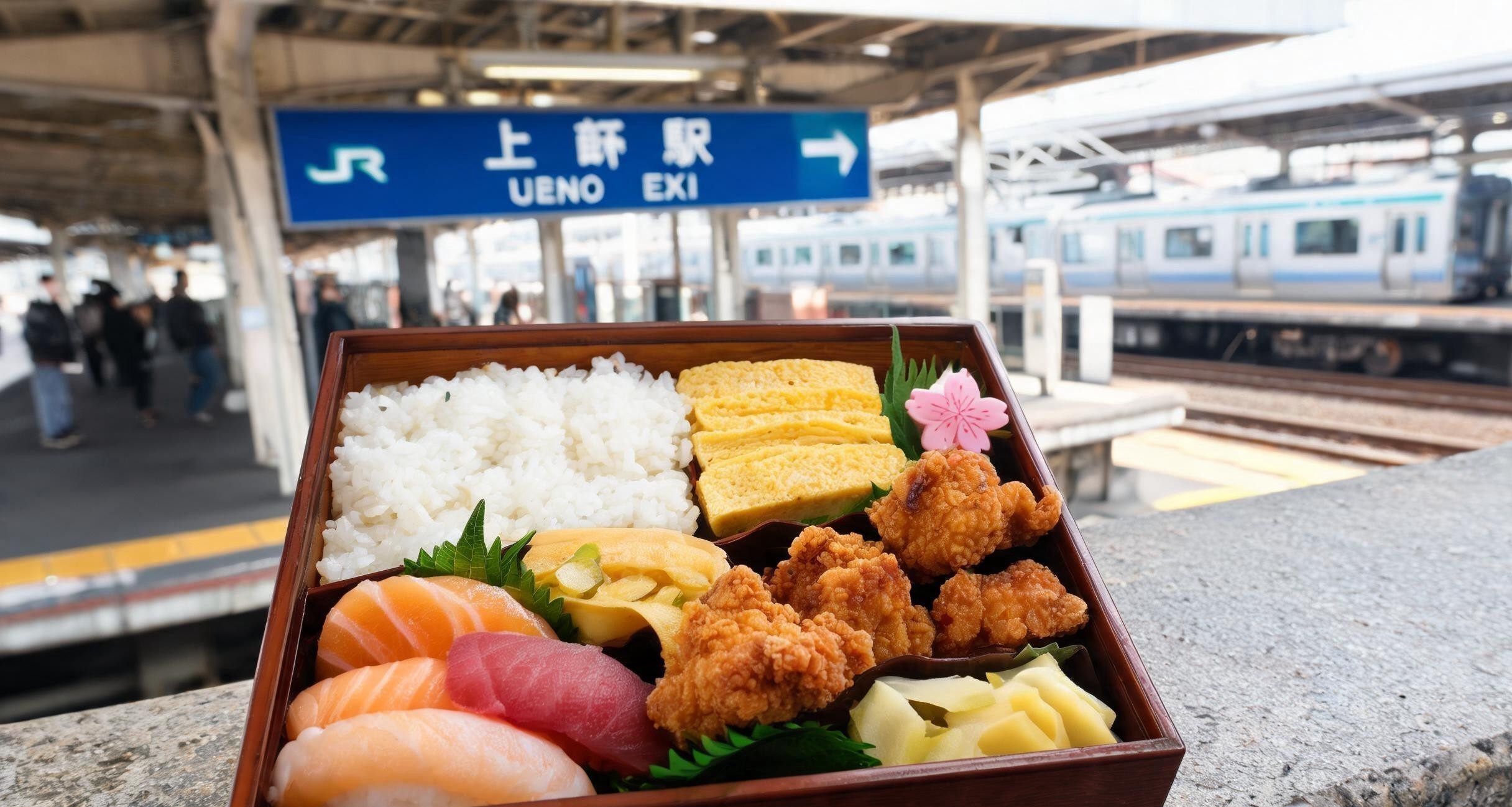
For adults, bento is more practical and less decorative. Salarymen buy bento at convenience stores, where the quality is remarkably high. A convenience store bento in Japan costs between four and six dollars and typically includes rice, a protein, two or three vegetable sides, and sometimes a small dessert. The convenience store chains rotate their bento selections seasonally and regionally, so the options change throughout the year. I ate convenience store bento almost every day during a two-week trip to Japan, and the worst one I had was still better than any pre-made sandwich or salad I have bought at a convenience store in the United States. The rice was always properly cooked. The fish was always fresh. The pickles were always crisp.
The bento box itself matters. A good bento box is designed with compartments that keep the food separated and make it easy to eat with chopsticks. Traditional boxes are made of lacquered wood or plastic, with a tight-fitting lid that keeps the food secure. Some modern bento boxes have removable dividers, so you can adjust the compartment sizes. The boxes are personal items, chosen by the person who uses them, and many people in Japan own several bento boxes for different occasions: a simple one for work, a decorative one for outings, a large one for picnics. I bought a bento box at a department store in Osaka, a simple black plastic one with two compartments and a green elastic band to hold the lid on. It cost about eight dollars. I have used it for work lunches for the past two years, and it is one of the best purchases I have ever made, not because the box itself is special, but because using it forces me to think about what I am eating and how I am putting it together.