There are eight seats at the counter, and when I arrived at six o'clock on a Thursday evening in Gion, five of them were already taken. The restaurant has no sign outside, just a wooden lattice door and a small noren curtain with the name written in brush-stroke kanji. I had found it through a friend of a friend who knew the itamae, a quiet man in his sixties named Fujita-san who had been running this place for thirty-one years. I booked three weeks ahead, which is considered short notice. Most regulars reserve a month or more in advance.
The room is simple. A counter made from a single slab of hinoki cypress, worn smooth by decades of hands resting on it. Fujita-san works alone with one assistant. No decorations on the walls, soft lighting, and the focus is entirely on what happens on the other side of the counter.
The meal started with the sakizuke, an appetizer meant to set the seasonal tone. Fujita-san placed a shallow ceramic bowl in front of each of us with a single slice of hamo, pike conger eel, simmered in light dashi and topped with pickled myoga ginger. Hamo is a late-summer fish in Kyoto, prized for its delicate flavor but notorious for the hundreds of tiny bones running through its flesh. Preparing it properly takes years of practice — the technique is called hone-nuki, and it involves precise cuts along the flank with a knife thin enough to split a hair. When it's done right, the eel becomes buttery with almost no resistance when you bite into it. This was done right.
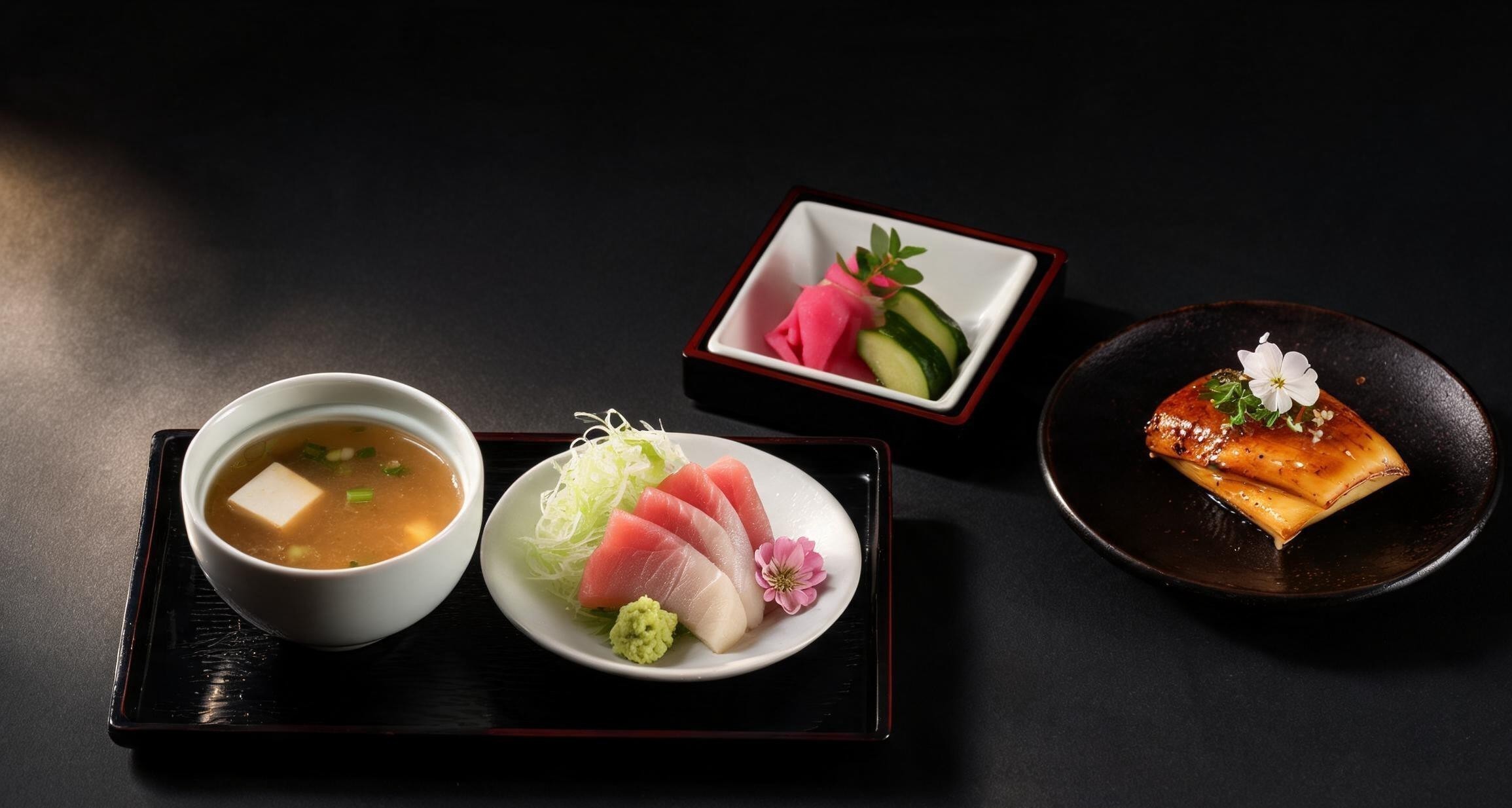
The second course was suimono, a clear soup served in a lidded lacquer bowl. Steam rose from a pale broth of dashi, mirin, and a touch of soy. At the bottom sat a single piece of ayu, sweetfish, stuffed with its own minced liver and a sprig of shiso. The broth was nearly clear but carried a depth of flavor that surprised me. Ayu is a river fish that appears in Kyoto's waterways in late summer, clean and slightly sweet, and Fujita-san had scored the skin in a crosshatch pattern so it would cook evenly and absorb the dashi without falling apart.
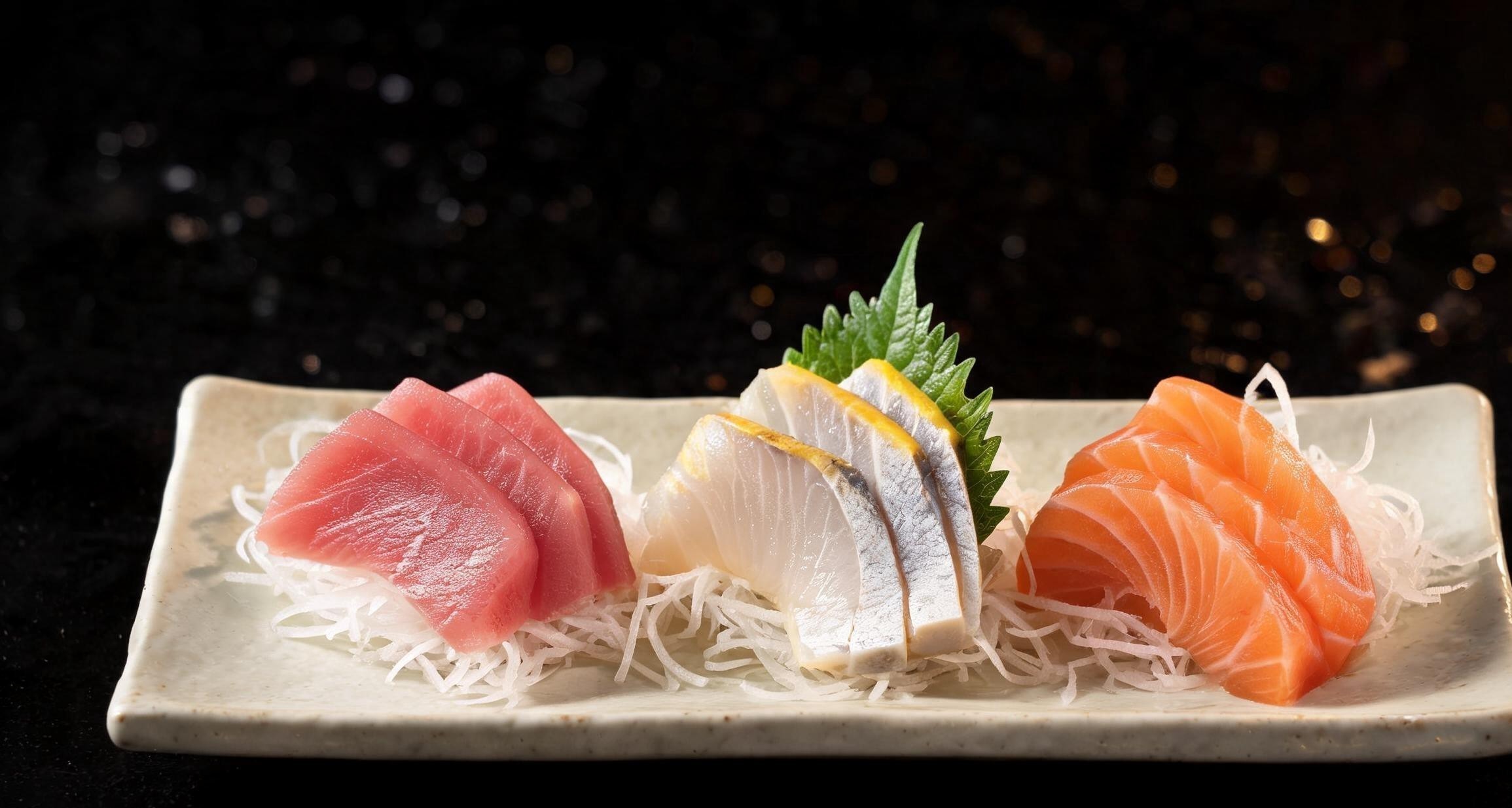
The sashimi course arrived third, on a long rectangular plate made of dark Bizen ware with an uneven, wood-fired glaze. Three kinds of fish: flounder from the Seto Inland Sea, amberjack from Wakayama Prefecture, and horse mackerel caught that morning off the coast of Shikoku. Each was cut differently. The flounder was sliced thin and fanned out in a row, its translucent flesh catching the light. The amberjack was cut in thicker pieces, with a streak of dark fat running through each one. The horse mackerel was served with a small mound of grated daikon and a single shiso leaf underneath. No soy sauce was provided, because the fish was meant to be eaten with a small dab of wasabi and nothing else, the way it was served at sushi counters fifty years ago.
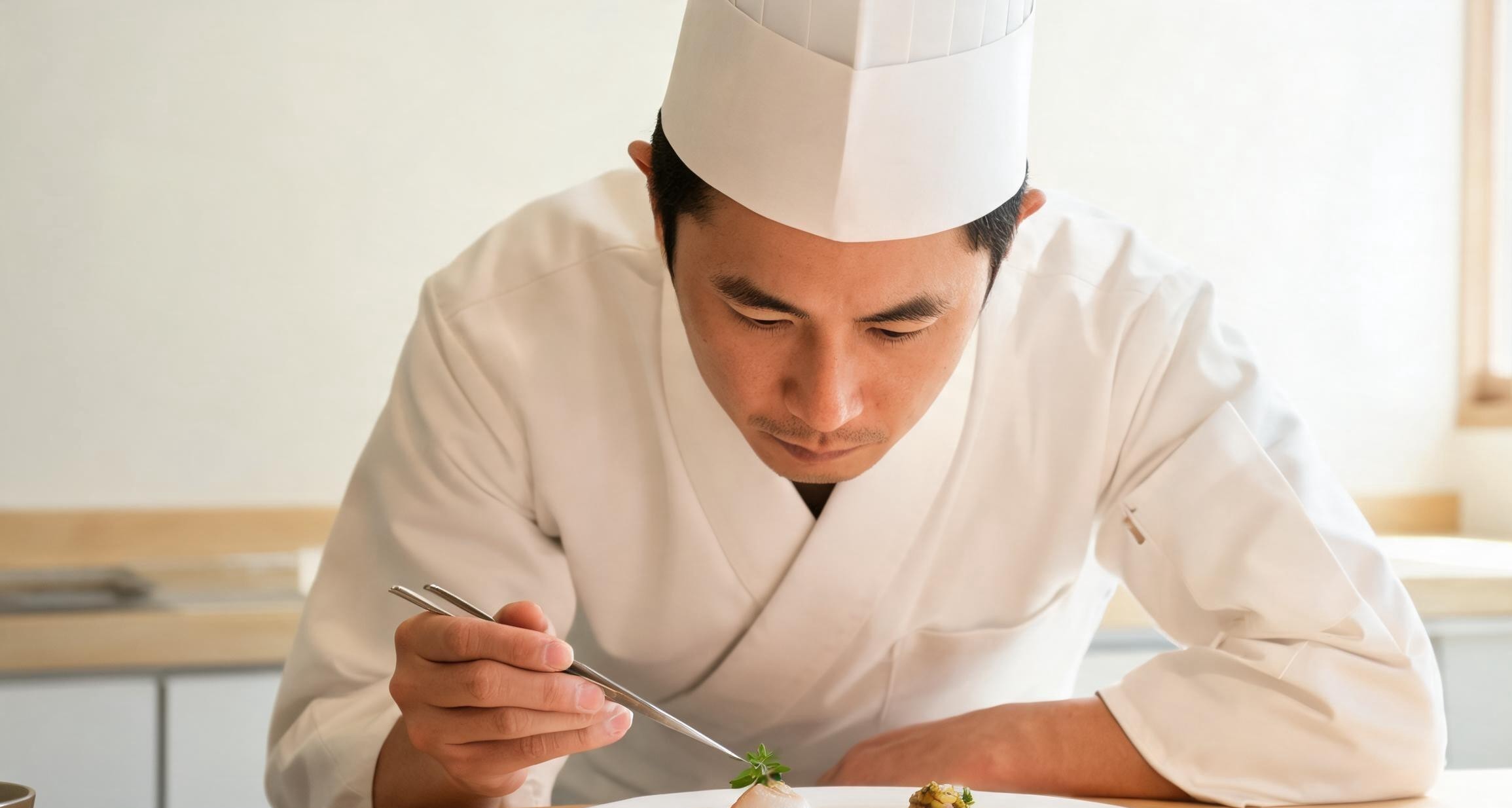
Between courses, Fujita-san worked with a precision I've come to associate with the best kaiseki chefs. He used tweezers to adjust a microgreen on a plate, wiped the rim of a bowl with a damp cloth before serving, and kept his workstation immaculate. The pacing reflected the same control. Each course arrived when the previous one was finished. No rushing, no waiting. The two hours at that counter felt exactly as long as they needed to be.
The grilled course, yakimono, was the heart of the meal for me. A fillet of gindara, sablefish, marinated overnight in white miso, mirin, and sake, then broiled until the top was glazed and caramelized. Beneath it, the flesh was creamy, almost custard-like, with the miso providing a subtle sweetness that balanced the oiliness. A stalk of grilled asparagus sat alongside, brushed with sesame oil and sprinkled with sesame salt.
The rice course came near the end, treated with the same reverence as any other dish. Fujita-san served short-grain Koshihikari rice from a wooden tub, cooked with edamame and pickled plum that gave it a faint tartness. Alongside it came miso soup and a plate of pickles — takuan, umeboshi, and kyuri asazuke — to clean the palate before the meal closed.
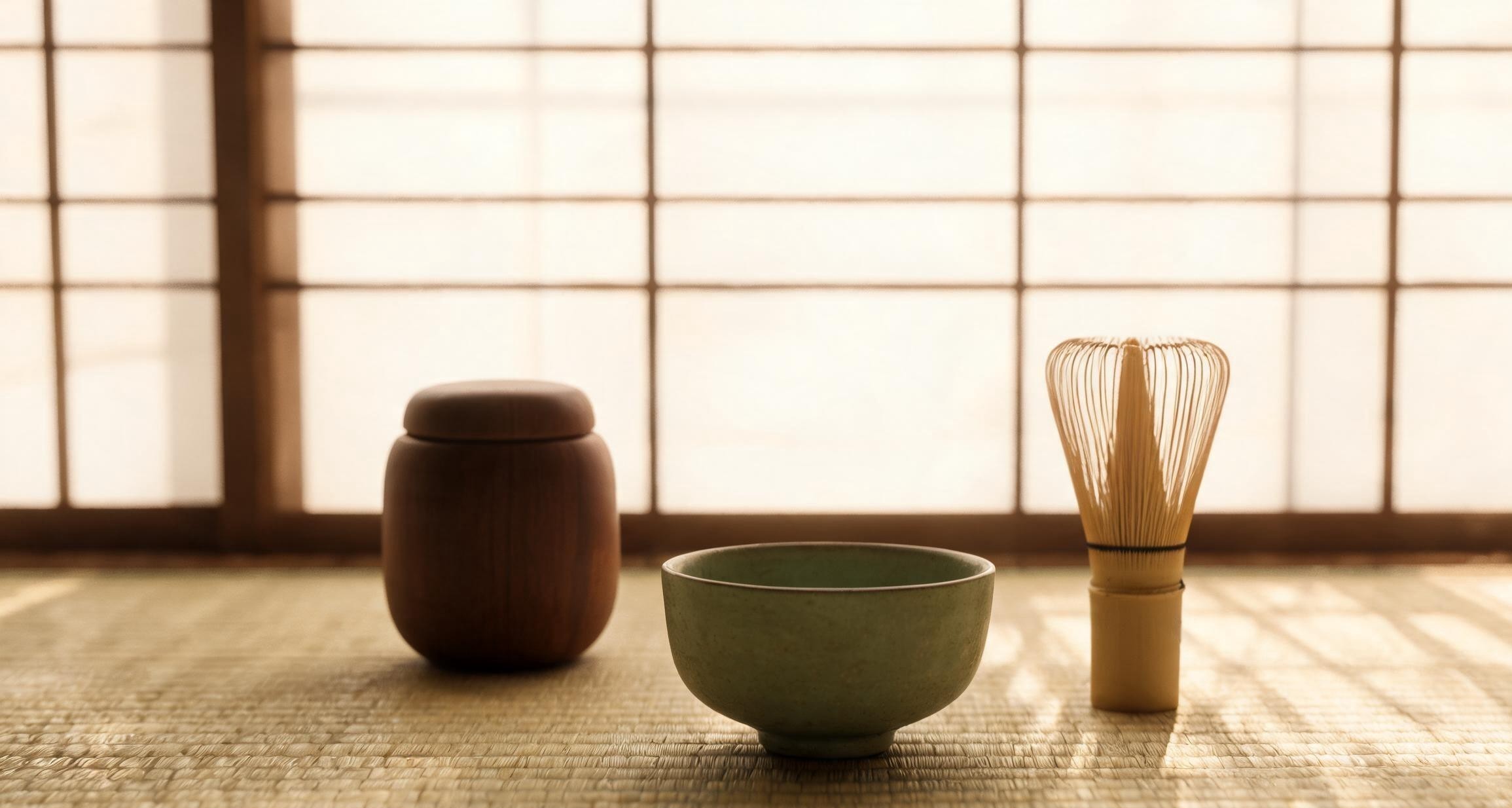
The meal ended with matcha, whisked in a chawan chosen by Fujita-san to match the season — a rough-textured Shino ware piece in muted gray with a single white leaf pattern near the rim, meant to evoke the last days of summer. Alongside it came a wagashi shaped like a bellflower, made from sweet bean paste and agar. The sweetness of the wagashi balanced the bitterness of the tea, a pairing that has existed in Japan for centuries and still works every time.
I paid fifteen thousand yen, roughly a hundred dollars, which is on the lower end for kaiseki in Kyoto. The typical range runs from fifteen to twenty-five thousand yen per person. Drinks are extra — I ordered two glasses of cold sake that added another two thousand yen. There is no tipping in Japan. It is not expected and in many cases would be considered rude.
Reservations can be difficult if you don't have a connection. Many kaiseki restaurants in Kyoto do not advertise online and don't list their phone numbers publicly. A hotel concierge can help, or a friend who lives in Kyoto. Some restaurants now accept reservations through platforms like TableAll or OMAKASE, but the smallest places still prefer a phone call. Plan ahead, ask for help, and be willing to eat at six or nine p.m., which are the less desirable seatings.
A few etiquette rules: eat everything served to you. Leaving food is considered wasteful. Do not ask for substitutions — the chef has designed the meal as a complete experience. Wear clean socks, because you may be asked to remove your shoes. Arrive on time. If you are late, the meal is delayed for everyone else at the counter.
What stays with me about that evening is not any single dish but the feeling of the meal as a whole: the quiet of the room, the sound of the knife behind the counter, the way each course arrived with a small explanation from Fujita-san about where the ingredients came from. Kaiseki is not about surprise or spectacle. It is about paying attention to what the season offers and presenting it with care and without excess. It is, in some ways, the opposite of most modern fine dining.
Walking home through Gion that night, the streets were quiet and the air was still warm. I could smell the river from two blocks away. I thought about the ayu soup, the way the broth had been almost invisible but had stayed with me longer than any other single thing I ate that night. That is what kaiseki does. It doesn't shout. It doesn't try to impress you. It just presents the food, the season, and the craft, and leaves you to decide what it meant.