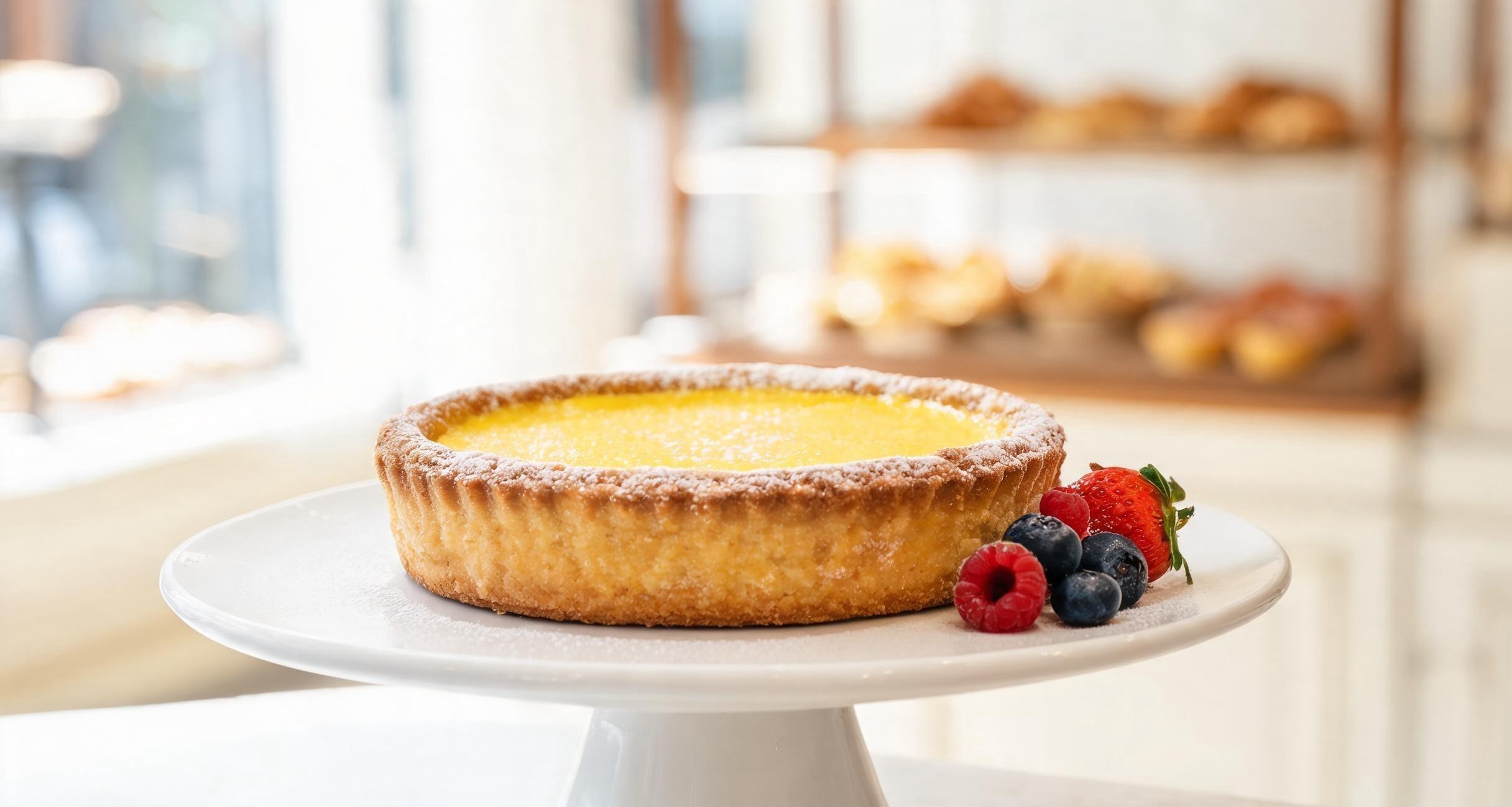
I made this lemon tart for a dinner party in March because the main course was a disaster and I needed a dessert that would save the evening. The host had attempted a beef Wellington that came out raw in the center, and after forty-five minutes of debate about whether to put it back in the oven or throw it out, she put it back in and burned it. The guests were polite but hungry, and I had brought the tart components with me because I knew from experience that this host's kitchen was a high-risk environment. I assembled the tart while she microwaved side dishes, and within an hour the tart was cooling on the counter and the smell of brown butter was filling the apartment. The guests ate the tart in near silence, which is the highest compliment a dessert can receive, and three of them asked for the recipe before they left. The beef Wellington was not mentioned again.
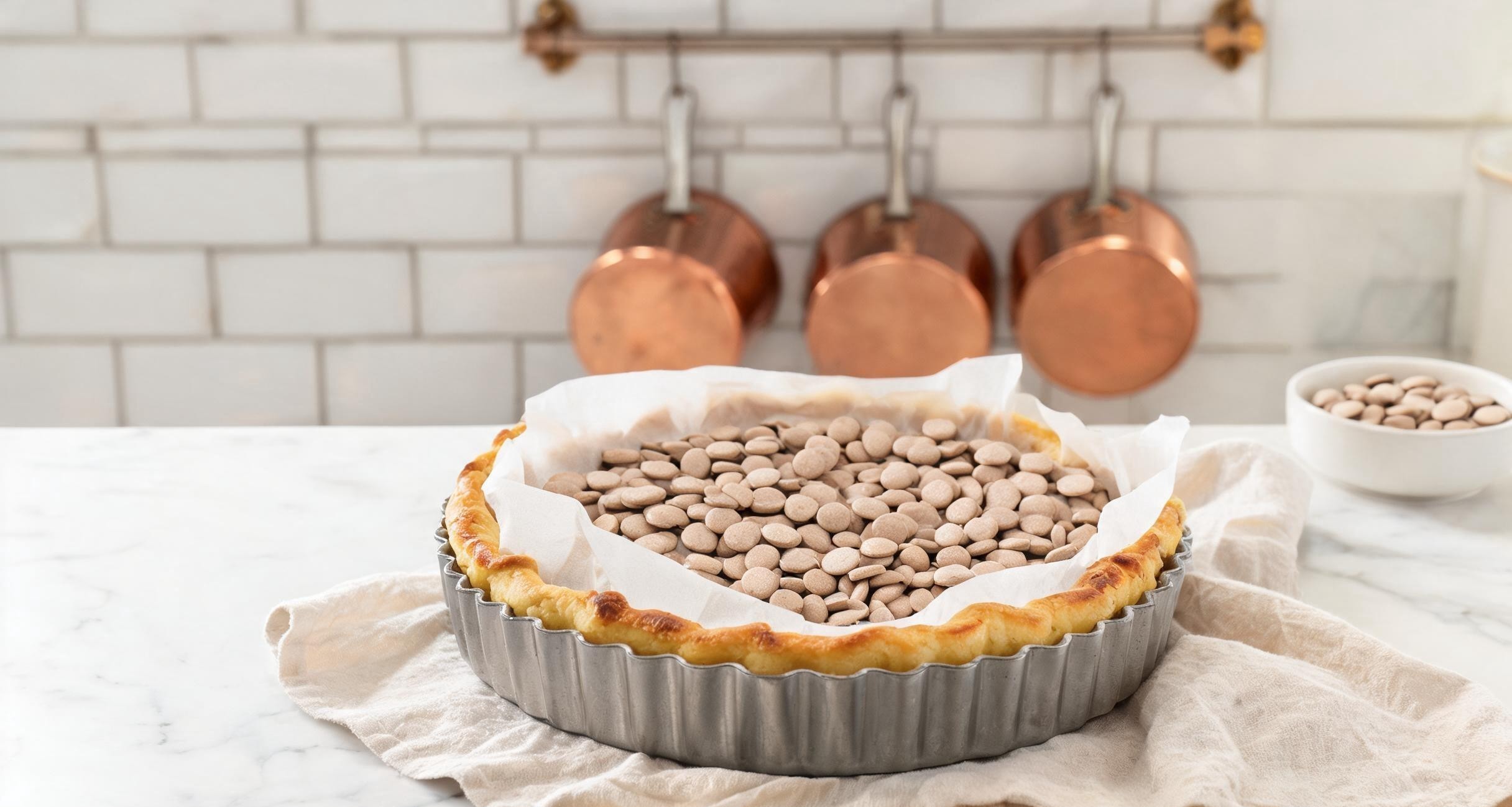
The crust is a brown butter shortcrust, and the browning of the butter is the step that makes it different from a standard tart shell. You start with cold butter in a saucepan over medium heat, and you let it melt and cook until the milk solids at the bottom of the pan turn golden brown and the whole thing smells like toasted hazelnuts. This takes about five to seven minutes, and you have to watch it constantly because the transition from brown to burned happens in about thirty seconds. I pour the brown butter into a heatproof bowl and let it cool to room temperature before mixing it into the flour with sugar, salt, and an egg yolk. The dough comes together in about thirty seconds in a food processor, and you press it into the tart pan with your fingers, working it up the sides and across the bottom. The pan goes into the fridge for thirty minutes to firm up the butter, then into a 375-degree oven for about twenty minutes, with pie weights to keep the bottom flat.
The filling is a lemon curd made from egg yolks, sugar, lemon juice, and lemon zest, cooked in a double boiler until it thickens enough to coat the back of a spoon. I use four lemons for the juice and zest, which gives the curd a sharp, assertive acidity that balances the sweetness of the sugar and the richness of the eggs. The key is to cook the curd slowly, stirring constantly, and to stop the moment it thickens. Overcooked lemon curd gets grainy and separates, and there is no way to fix it. I strain the curd through a fine-mesh sieve to remove any bits of cooked egg or lemon zest, then pour it warm into the baked tart shell. The warmth helps the curd settle into an even layer, and the heat from the shell sets the bottom of the curd immediately. The tart goes into a 300-degree oven for about ten minutes, just enough to set the surface and give it a slight shine. Some people skip this step and just refrigerate the filled tart, but the brief bake gives the curd a cleaner, more professional finish.
The brown butter crust and the sharp lemon curd are a pairing that works because they are opposites. The crust is nutty, rich, and slightly sweet, with a textural crumble that gives way to a buttery crumb. The curd is bright, acidic, and silky, with a sharpness that cuts through the richness of the butter. If the crust were a standard butter crust, without the toasted flavor, the tart would be pleasant but one-dimensional. If the curd were sweeter or less acidic, it would be cloying. The balance between the two is the whole point, and getting it right requires paying attention to the brown butter and to the lemon ratio. I have tested this with three lemons and with five, and four is the sweet spot. Three is too mild. Five is too sharp, in a way that makes your mouth pucker instead of making you want another bite. Four lemons give you a tart that is sharp enough to be interesting but gentle enough to eat a full slice.
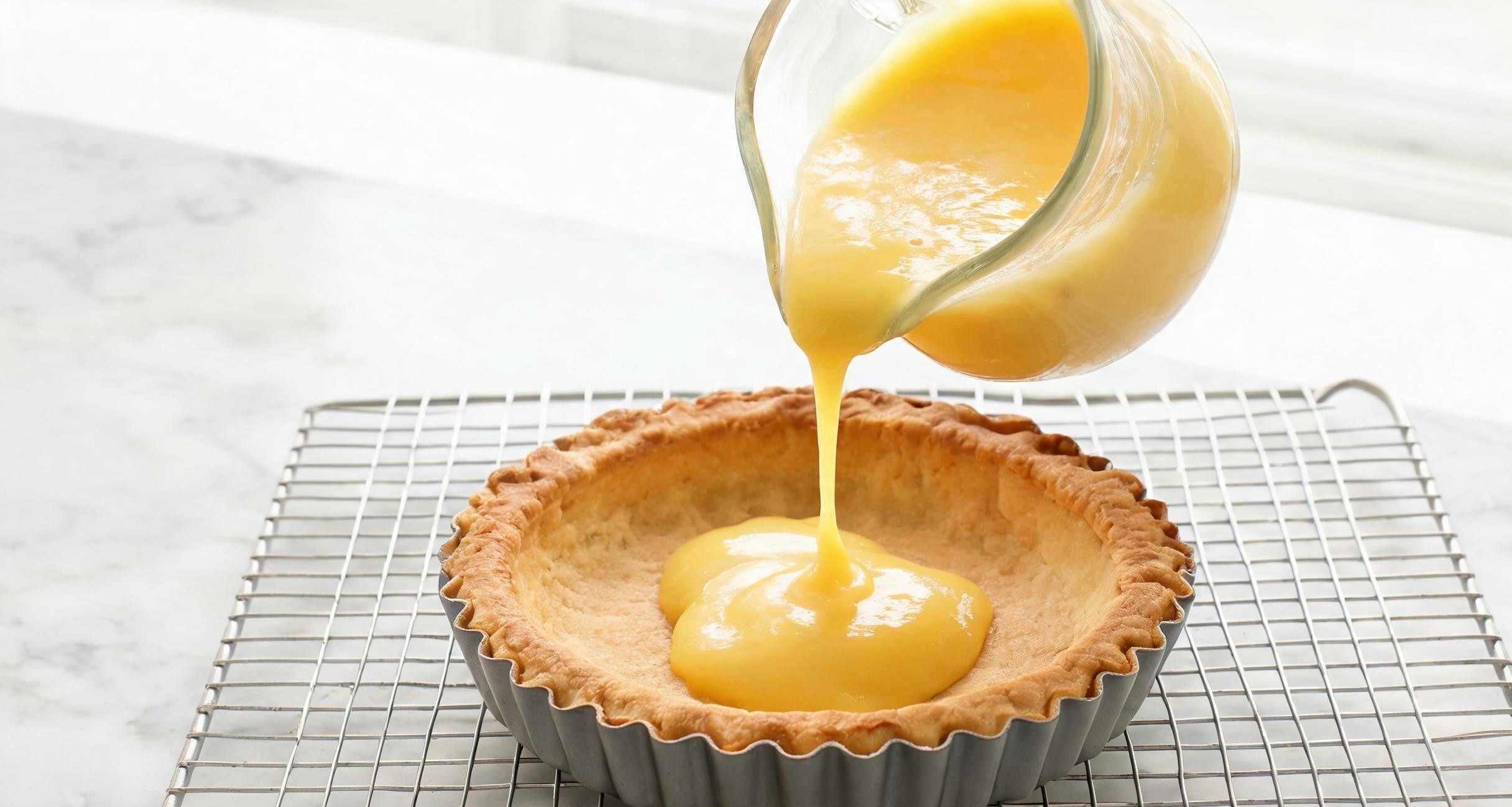
I made a mistake with this tart once that taught me more than any successful version. I was in a hurry and I skipped the straining step after cooking the curd. The result was a tart with visible specks of lemon zest and tiny pieces of cooked egg in the filling, which looked rustic but felt gritty on the tongue. The guests were kind, but I knew it was not right. The straining takes thirty seconds and it transforms the texture from homemade-looking to smooth and professional. I also learned, the hard way, that the tart shell has to be completely cool before the curd goes in. If the shell is warm, the curd melts the butter in the crust and the whole thing becomes soggy. I now make the shell the day before and keep it in the refrigerator, wrapped in plastic. The day of, I make the curd, pour it into the cold shell, do the brief bake, and let the tart cool to room temperature before serving. The texture is always right when I follow this schedule.
This is the tart I make when someone invites me to dinner and asks me to bring dessert. It is the tart I make when I want to impress someone but I do not want to spend all day in the kitchen. It is the tart I make on a Sunday afternoon when I have nothing else to do and a bag of lemons in the fridge. The brown butter crust comes together in minutes. The curd takes about fifteen minutes on the stove. The assembly is foolproof. The result is a dessert that looks like it came from a bakery and tastes like it was made by someone who cares about the balance of fat and acid. That someone is you, standing in a kitchen that smells like toasted butter and lemon, with a tart cooling on the counter and a dinner party that no longer remembers the beef Wellington.