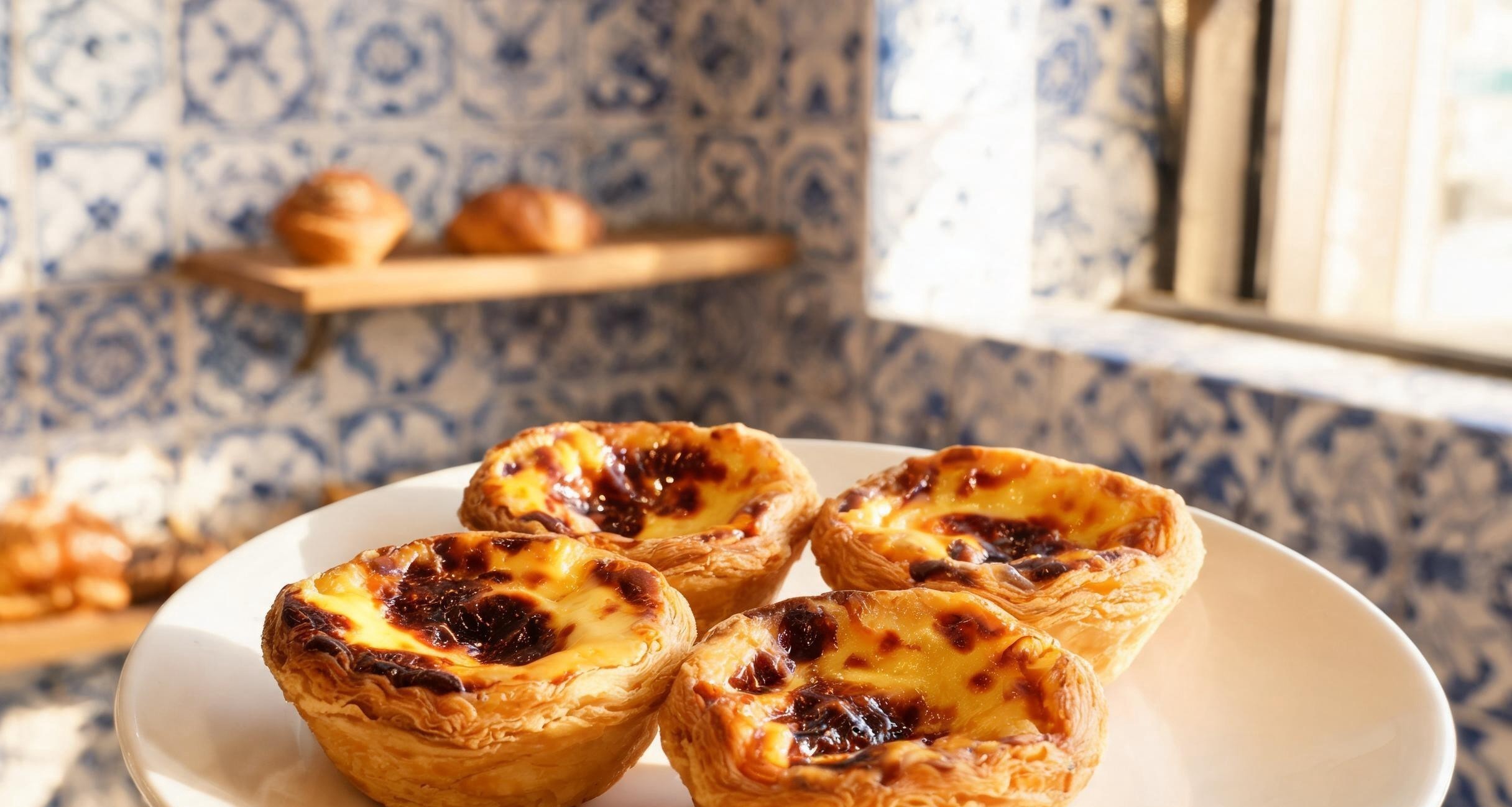
I set out to find the best pastel de nata in Lisbon, which is a project that about half the tourists in the city are also undertaking at any given time. The difference is that I ate six in one day, took notes on each, and did not buy any souvenirs. The pastel de nata is a small thing, a custard tart about three inches across, with a shell of laminated puff pastry and a filling of egg custard that is baked until the top is blistered and caramelized in patches. It is served warm, dusted with cinnamon, and eaten immediately. In Lisbon, it is not a special occasion food. It is a daily habit, and the best bakeries sell thousands per day, pulled from the oven in continuous batches. I visited six of the most well-known pastelarias in the city, and the differences between them were more pronounced than I expected.
The first was Pasteis de Belem, the most famous pastelaria in Lisbon and possibly the world. It opened in 1837 and has been using the same recipe, reportedly a secret, ever since. The shop is beautiful, with blue azulejo tiles covering the walls, and there is almost always a line. The tart itself is excellent, with a crisp, flaky shell and a custard that is silky and just sweet enough, with a pronounced caramelized top. I ate it at a small table inside, and it was warm and fresh. It was also slightly sweeter than what I would come to prefer after trying the others. This is the benchmark, the tart that everyone compares others to, and it earns its reputation. But it is not my favorite.
The second was Pasteis de Bacalhau, a misleading name since they are famous for their tarts, not salt cod. The shell here was thinner and more delicate, with visible layers that shatter when you bite into them. The custard was less sweet than Belem, with a slightly more eggy flavor and a less aggressive caramelization on top. I preferred this balance. The tart felt more restrained, more about the egg and less about the sugar. The bakery is small and unassuming, with no line and no fanfare. The tarts come out of the oven every twenty minutes, and the woman behind the counter will hand you one warm from the tray if you ask.
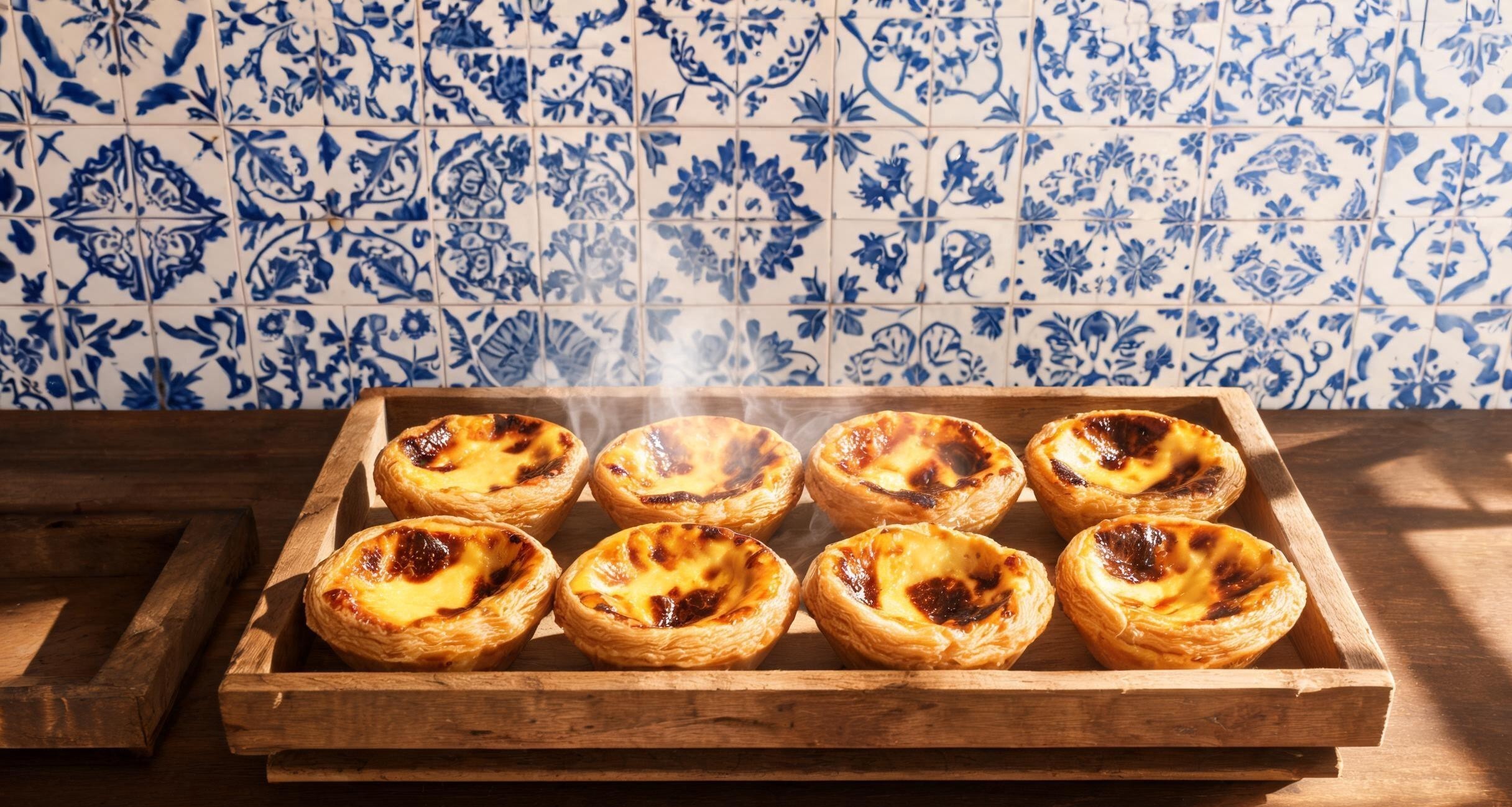
I tried four others over the course of the afternoon, and the quality ranged from good to outstanding. One had a shell that was too thick and doughy. Another had a custard that was grainy and overcooked. A third was very good but lacked the blistered top that makes a pastel de nata look like a pastel de nata. The sixth was a modern cafe that served a version with a different crust, almost like a shortbread base, which was pleasant but not really the same thing. The texture was wrong. The crunch of the puff pastry shell is half the experience, and swapping it for something soft fundamentally changes what you are eating.
The winner, for me, was the second stop, Pasteis de Bacalhau. The crust was the best of the six, with a shatter and flake that comes from proper lamination and a high ratio of butter to flour. The custard was smooth, not too sweet, with a clean egg flavor and just enough caramelization on top to add texture. The tart was warm from the oven, and the cinnamon I sprinkled on at the counter balanced the richness. It cost about one euro. I sat on a bench outside and ate two more while watching the trams go by, and I cannot think of a better way to spend a euro in Lisbon.
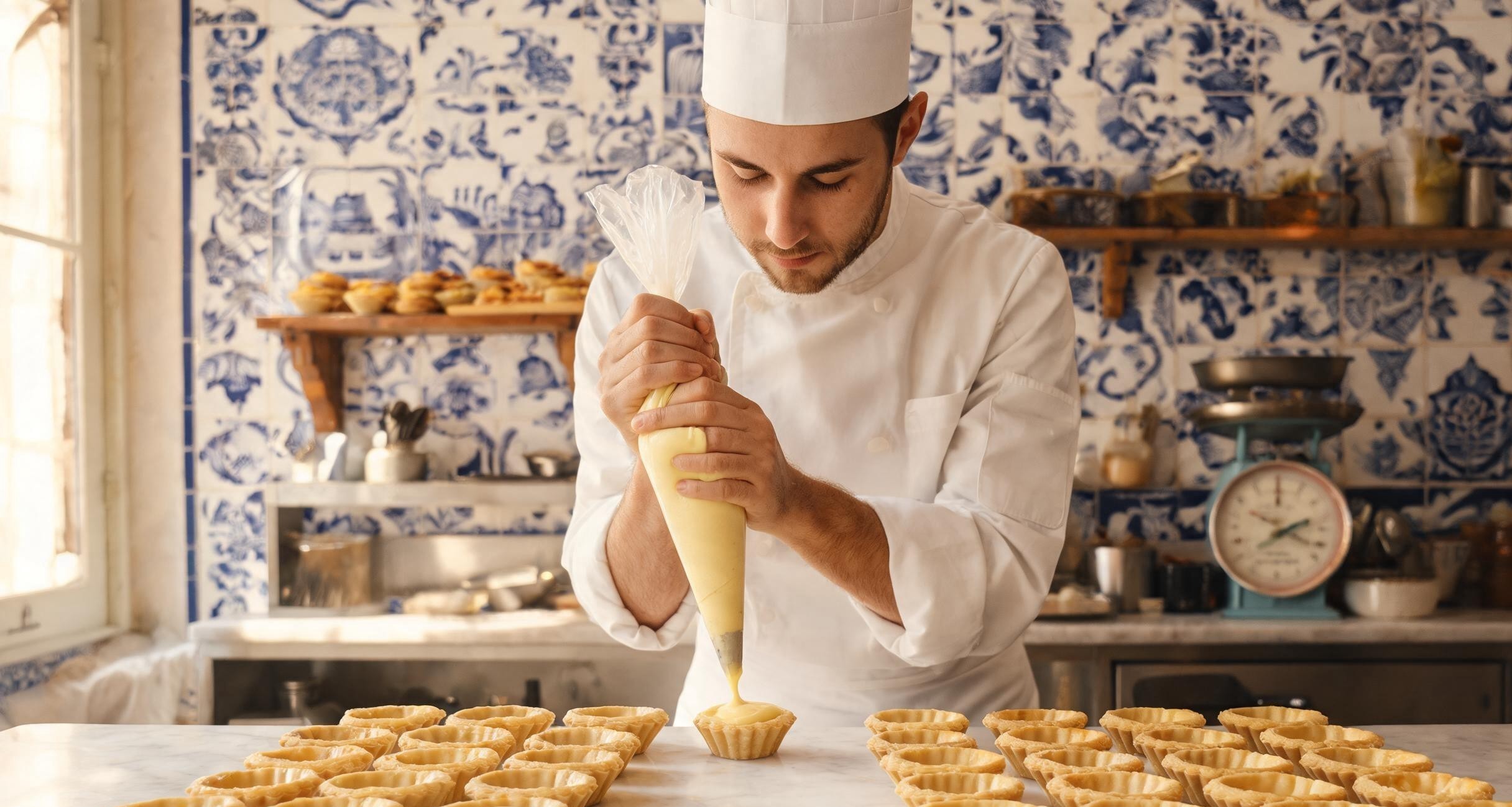
The lesson of the pastel de nata tour is that temperature matters more than anything. Every bakery I visited made a decent tart. The ones that stood out were the ones that served it fresh from the oven. The custard is at its best when it is still quivering slightly, with a texture that is almost liquid in the center and firms up as it cools. The shell is at its best when the butter is still warm and the layers separate at the lightest touch. If you get a tart that has been sitting under a heat lamp or on a display case for an hour, you are getting a shadow of what it can be. In Lisbon, the best strategy is to find a busy bakery with a fast turnover, order one, eat it standing at the counter, and then order another. This is not a food to take home. It is a food to eat right now, before it cools.
The temperature at which you eat a pastel de nata changes everything about how it tastes. Eaten warm, within an hour of baking, the custard is loose and the crust shatters. Eaten at room temperature, the custard sets firmer and the pastry loses its snap. The best bakeries in Lisbon serve them warm from the oven, sometimes dusted with powdered sugar and cinnamon right in front of you. I learned to ask when they came out of the oven, and if the answer was more than two hours ago, I moved on. The difference between a fresh nata and a day-old one is the difference between a pastry and a disappointment.