London has more Indian restaurants than any city outside South Asia. This is not an exaggeration. The numbers back it up. There are roughly nine hundred places serving Indian food within Greater London, ranging from takeaways in Croydon to tasting-menu spots in Mayfair. The problem is that most visitors -- and a fair number of locals -- end up eating at the same dozen or so tourist traps on Brick Lane, where the food is tolerable and the experience is forgettable. The curry houses there survive on foot traffic, not repeat customers. The Indian food that Londoners actually seek out is somewhere else. I ate at three places over the course of a week, and here is what I found.
Gymkhana
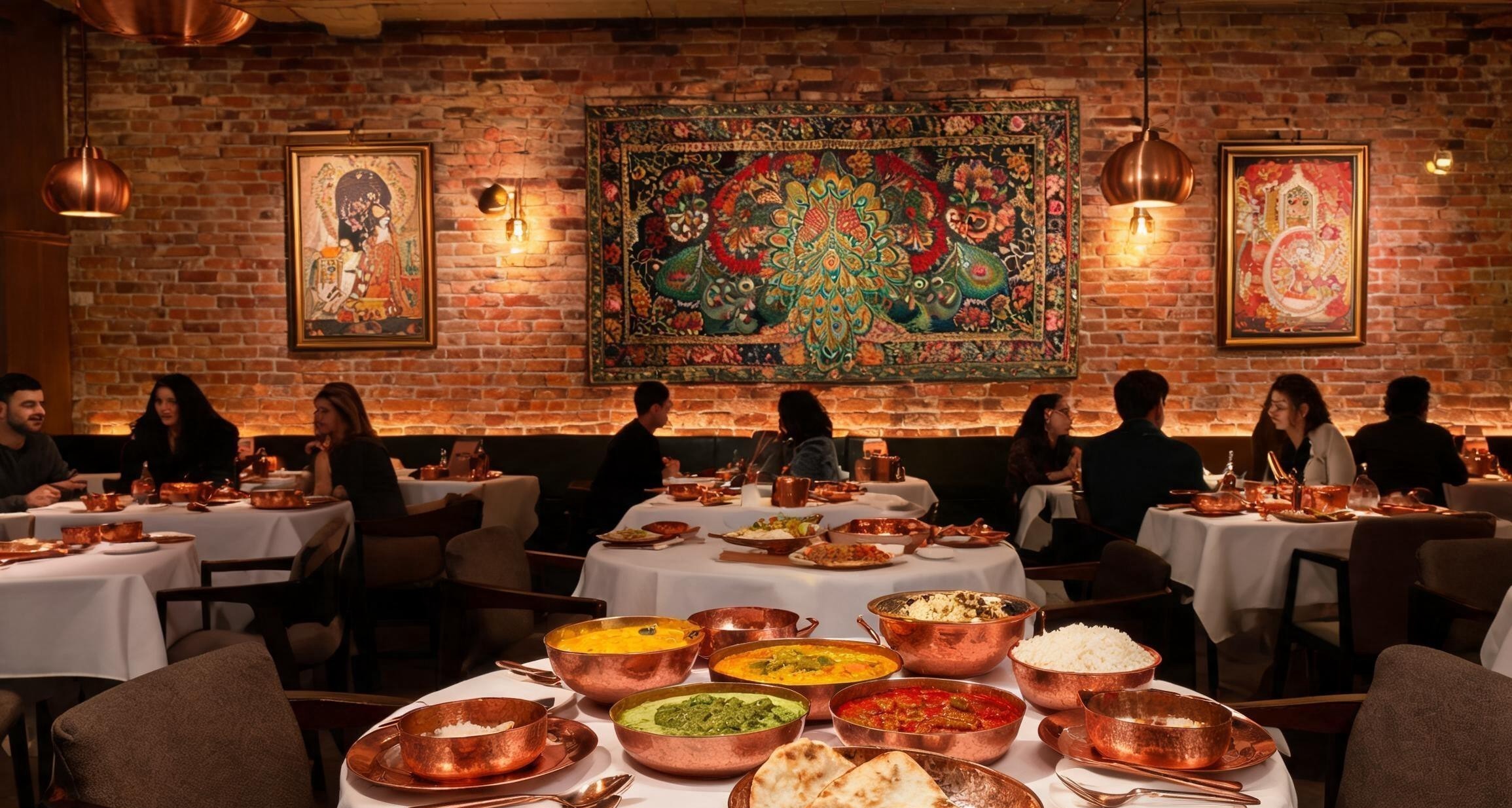
Gymkhana sits on Albemarle Street in Mayfair, which is the kind of address that tells you something about the price before you even walk in. The restaurant is designed to look like a colonial Indian club -- dark wood paneling, brass fixtures, ceiling fans, leather banquettes -- and the effect is deliberate. It is supposed to feel like a members-only space where you might order a gin and tonic and discuss the rubber trade. Some people find this unsettling. I thought the decor was handsome, even if the theme is a bit nostalgic for an era that does not need nostalgia. The food is the reason to go.
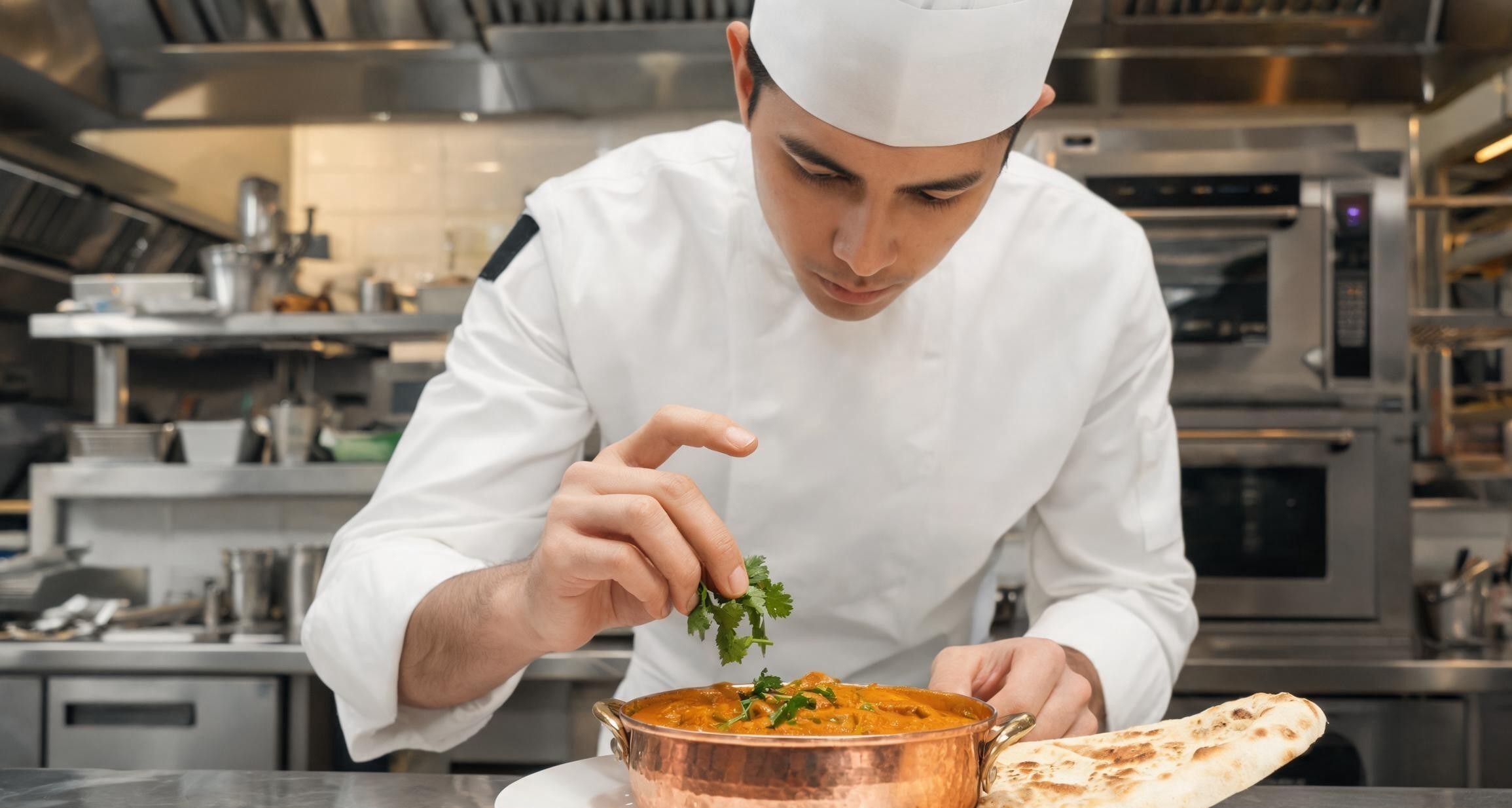
Gymkhana has a Michelin star, which it earned in 2014 and has kept ever since. The tasting menu runs about fifty-five pounds per person, which is expensive for Indian food in London but reasonable for Michelin tasting menus anywhere. I ordered the wild muntjac biryani, which is the dish the restaurant is best known for. Muntjac is a small deer found in southern England, and the meat has a gaminess that holds up well against the spices. The biryani was served in a sealed clay pot that the waiter cracked open at the table, releasing a plume of cardamom-scented steam. The rice was cooked through but still had distinct grains, which is the basic test for any biryani, and the muntjac was tender without being soft. Service was precise. The bill for two, with drinks, came to about a hundred and forty pounds. Is it worth that money? If you are in Mayfair and you want Indian food that takes itself seriously, yes. If you are on a budget, no.
Darjeeling Express
Darjeeling Express is in Soho, on Kingly Street, and it does not look like much from outside. The storefront is narrow, the sign is easy to walk past, and the dining room downstairs seats maybe forty people at most. I mention this because the restaurant has a reputation that far outpaces its size. It is run by Asma Khan, a Calcutta-born cook who opened Darjeeling Express as a supper club in 2013 before moving to this permanent location. The kitchen is staffed entirely by women, many of them South Asian immigrants, and the food is served family-style on large platters that get passed around the table. The set meal costs twenty-eight pounds per person, which is one of the better deals in central London for food of this quality.
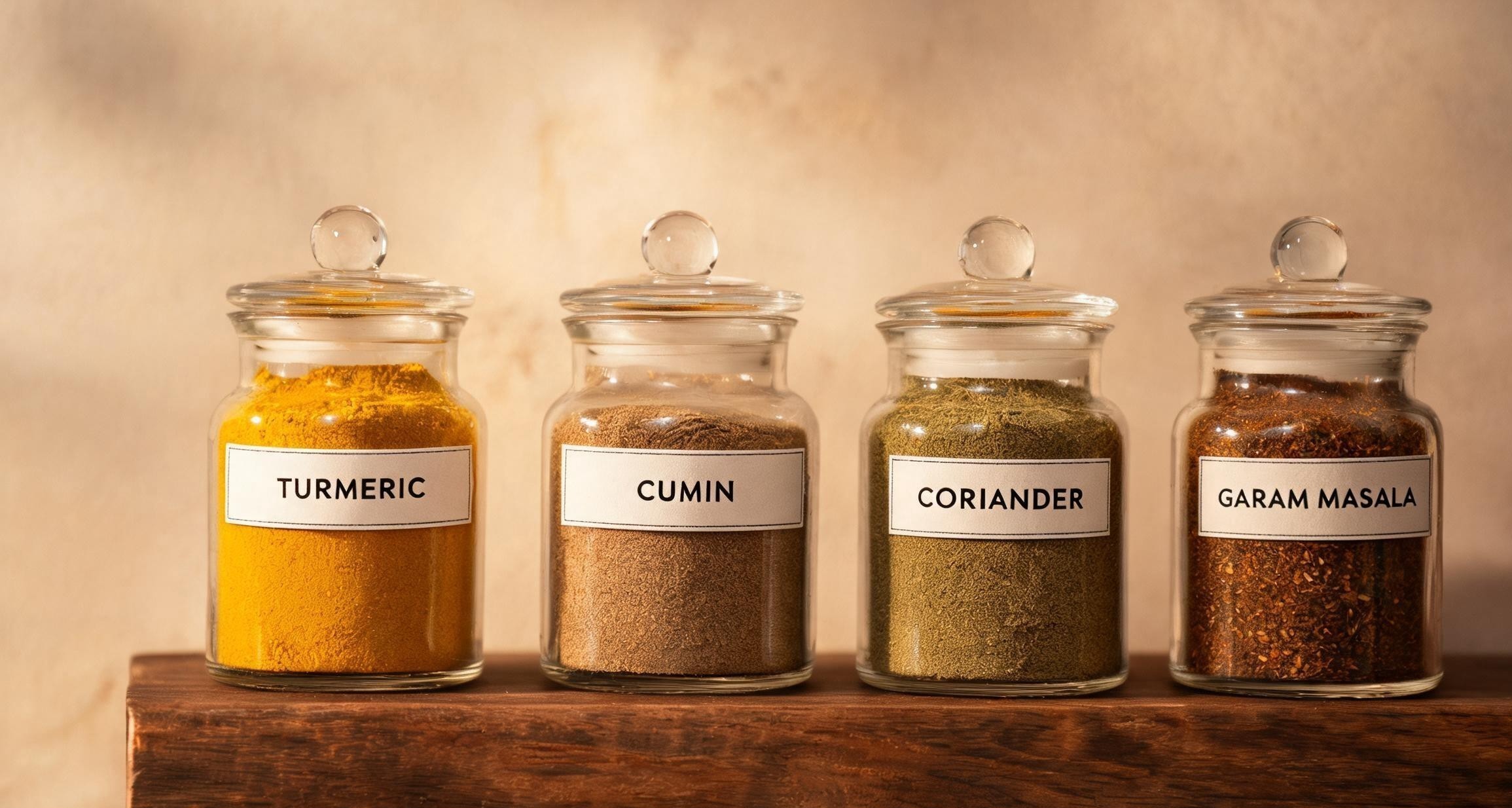
The menu changes weekly, but the format stays the same. You get a sequence of dishes that starts with something light -- a dal or a chaat -- and builds to richer curries and biryanis. The night I went, the meal opened with a kathi roll filled with spiced potatoes and then moved through a pumpkin shorba, a lamb rogan josh, a Bengali fish curry with mustard oil, and a saffron rice pilaf. The fish curry was the best thing on the table. The mustard oil gave it a sharp, almost abrasive heat that you do not find in most restaurant Indian food, where the spice levels are calibrated for palates that want comfort more than challenge. This was not comfort food. It was interesting food, and it tasted like something someone's mother would make at home, not something designed by a focus group. The lamb rogan josh was also strong, though slightly oversalted on my visit. Khan is often in the dining room talking to guests, and she came to our table to explain the origin of a couple of dishes. She is the kind of cook who makes you feel like the food has a story, not just a price.
Brick Lane, the Real One
Not every good Indian meal in London requires a reservation or a tasting menu. There is a small place on Brick Lane that I will not name in particular because part of its appeal is that it is not in any guidebook, and I would rather not ruin that. It sits between two of the more famous curry houses, the ones with guys standing outside handing out laminated menus to tourists. It has no website, no social media presence, and no reservations. You walk in, sit down, and order from a hand-written menu that has not changed much in twenty years. The tandoor oven in the back has been running since the place opened. I was told the owner's father installed it.
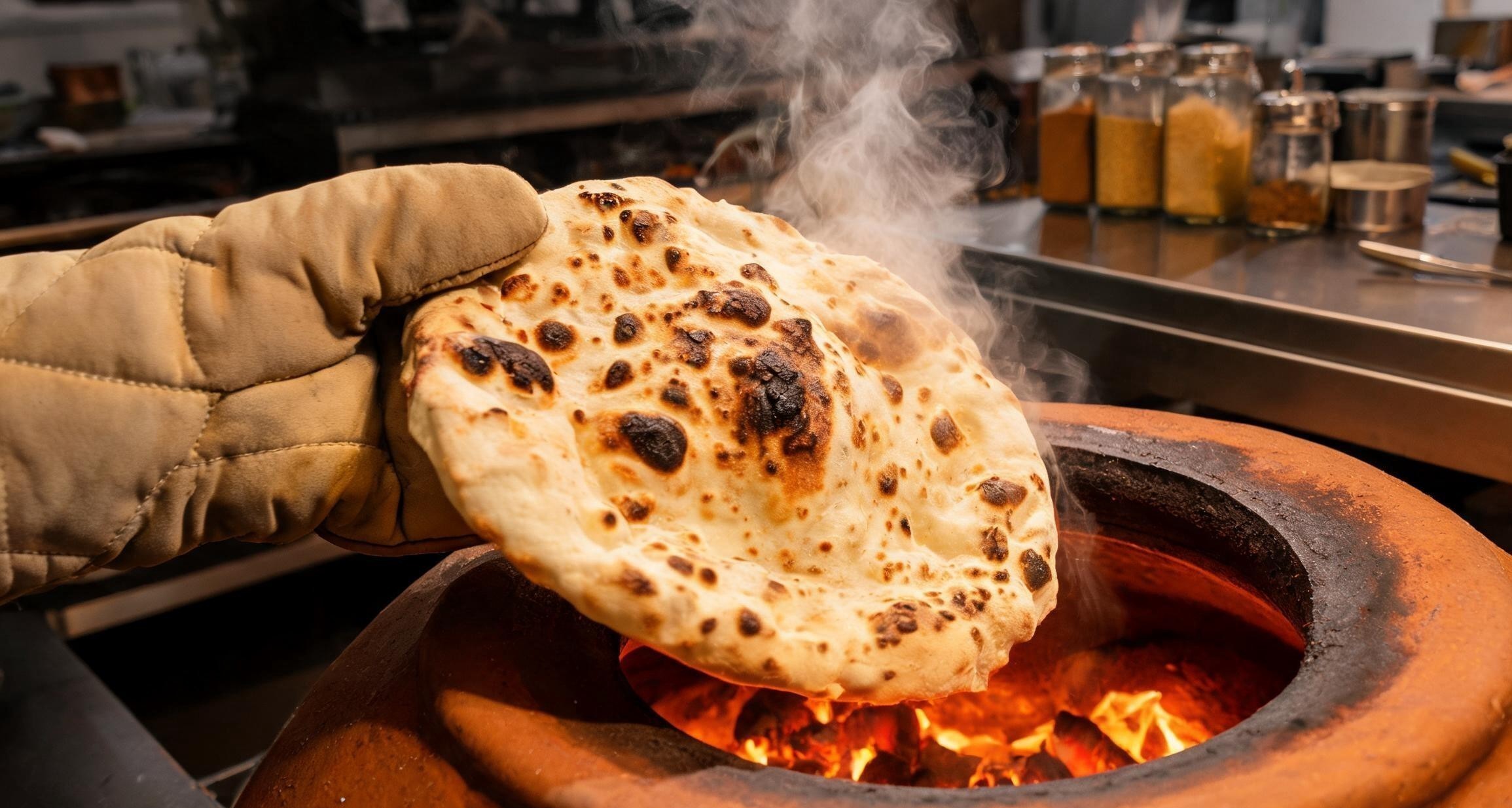
The menu is short. About a dozen curries, some tandoori starters, naan, rice. Mains run between fifteen and twenty pounds, which is normal for Brick Lane but cheap compared to what you get at Gymkhana or Darjeeling Express. I ordered the lamb chops from the tandoor and a chicken curry that the waiter described as "the house one." The lamb chops were the highlight. They had been marinated in something with yogurt and chili and cooked at very high heat in the tandoor, so the outside was almost blackened while the inside was still pink and juicy. They came with a raw onion salad and a green chutney that was sharper than I expected. The chicken curry was straightforward -- tomato-based gravy, medium spice, tender pieces of dark meat -- and it was exactly the kind of thing you want when you are eating Indian food in a no-frills room on a cold London evening. It was not trying to impress you. It was just good. The naan was blistered and buttery and the size of a dinner plate. I ate two of them.
The service was quick and not especially warm. The waiter took my order, brought the food, cleared the plates. If you need a curated experience, this is not the place. If you want excellent tandoori lamb chops and a solid curry for under thirty pounds in a room where nobody bothers you, it is perfect. I left full and spent less than I would have at a pub across town. That is the kind of London Indian restaurant worth knowing about, and it is the kind that tourists walk right past on their way to the places with the laminated menus.
These three restaurants represent different things. Gymkhana is ambition and presentation. Darjeeling Express is personal storytelling through food. The Brick Lane spot is honest cooking in an unpretentious room. All three are better than the tourist traps with the guys outside. The city has more to offer than most visitors ever find. You just have to look past the obvious choices.