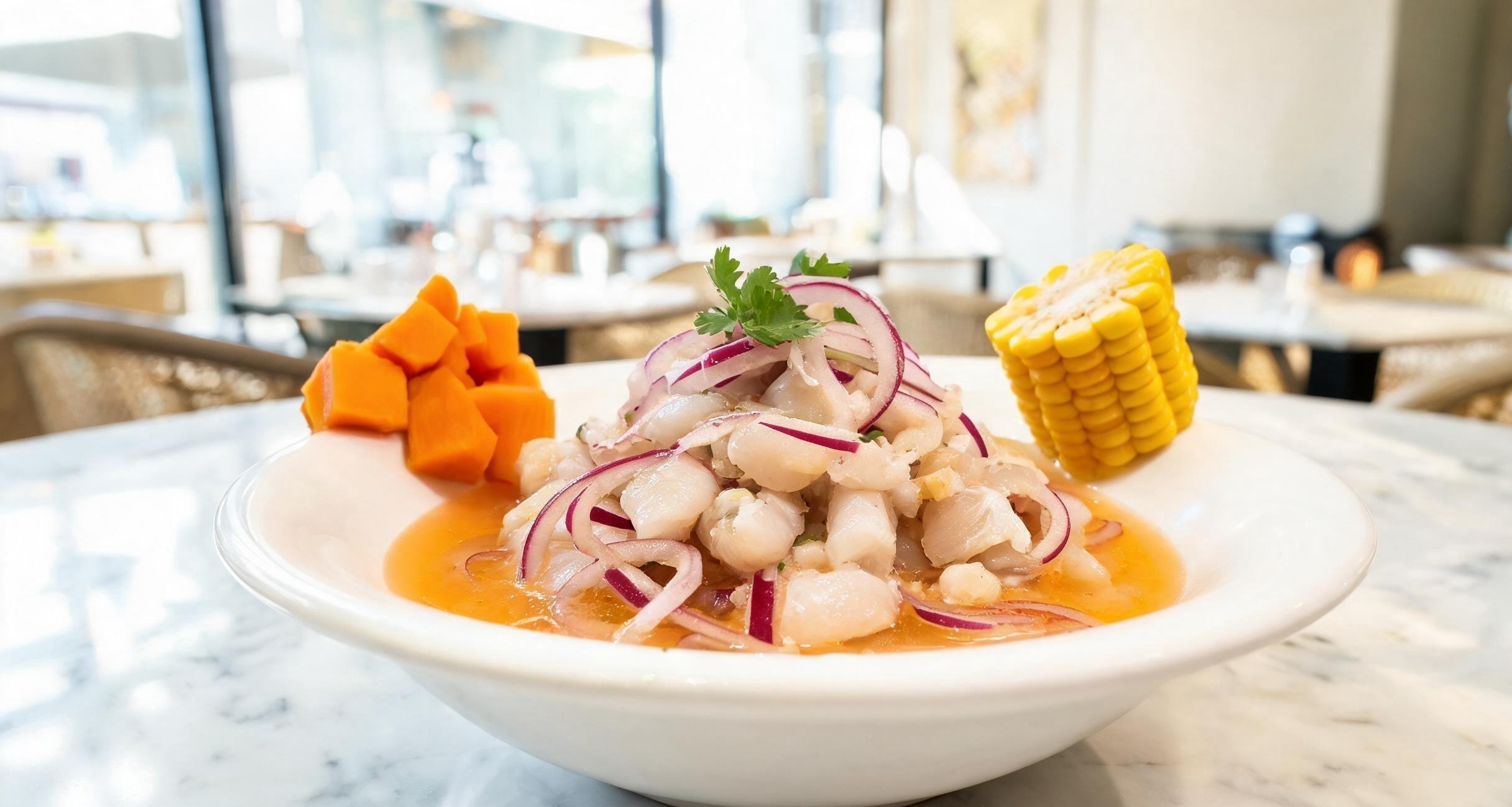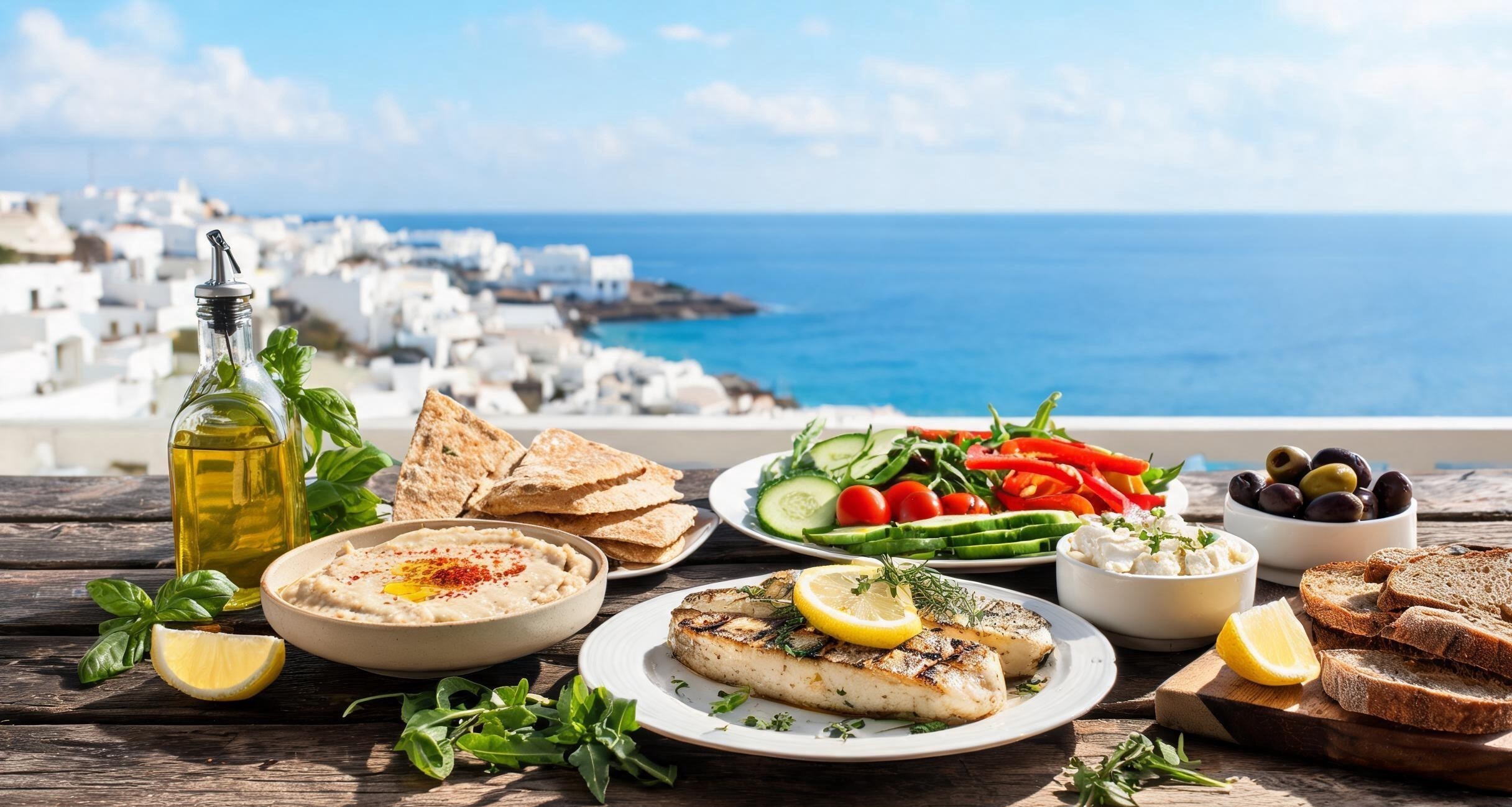
My grandmother in Lagos did not know she was eating a Mediterranean diet. She ate fish stewed in tomato sauce with peppers and onions, she cooked with palm oil and later switched to olive oil when it became available at the market, she served beans and lentils several times a week, and she ate fruit for dessert more often than anything baked or fried. The doctors where I live now would call this the Mediterranean diet and prescribe it as a solution to half the chronic conditions that plague American adults. But for my grandmother, it was just food. It was what was available, what was affordable, and what her mother cooked before her. The Mediterranean diet as a concept has been so heavily marketed and packaged that it has started to feel like a lifestyle brand rather than a way of eating that has existed for centuries around the Mediterranean Sea and, in various forms, across much of the world. I am not interested in the brand. I am interested in the actual meals.
The practical version of Mediterranean eating, the one that works on a Tuesday night in a kitchen that is not on the coast of Greece, comes down to a few habits rather than a strict set of rules. Cook with olive oil as your primary fat. Eat vegetables in quantities that feel generous, not dutiful. Include beans or lentils in your meals a few times a week. Choose fish or chicken over red meat most of the time, but do not treat red meat as poison. Eat bread, real bread, not the supermarket stuff in a plastic bag. Have fruit after dinner instead of something sweet. These are not radical changes. They are closer to what most people ate fifty years ago before processed food took over the American diet. The challenge is not knowing what to do. It is doing it when you are tired and the drive-through is three minutes away.
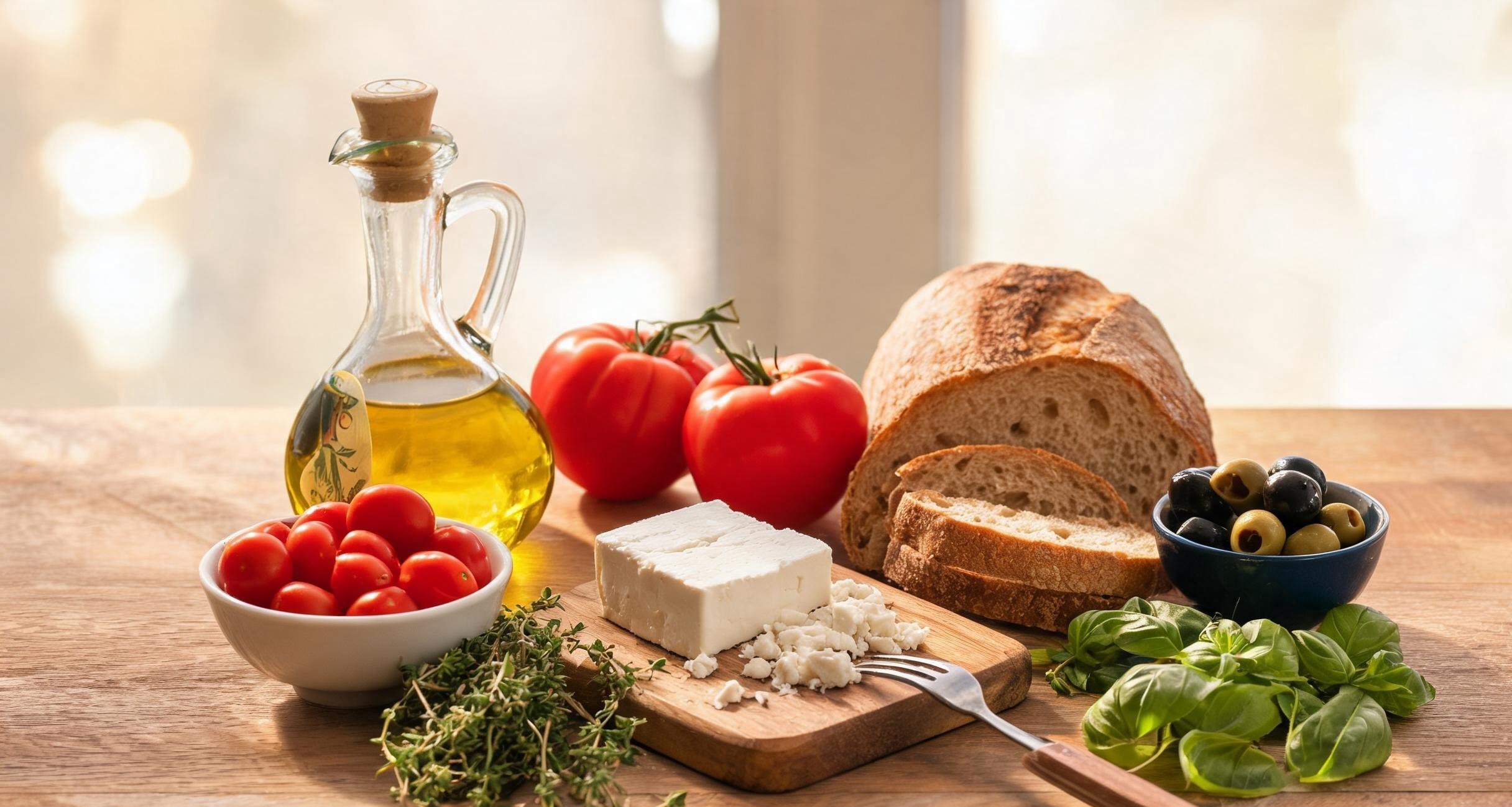
Here is what a week of eating this way actually looks like at my house. Monday: a sheet pan of roasted vegetables, whatever is in the crisper, tossed with olive oil, salt, and pepper, served with a can of cannellini beans rinsed and warmed, and a slice of sourdough bread. Tuesday: a simple fish preparation, cod or tilapia, pan-seared with a squeeze of lemon and a handful of cherry tomatoes that cook in the same pan for three minutes. Wednesday: lentil soup, made with brown lentils, an onion, two carrots, a can of diced tomatoes, and cumin, served with more bread. Thursday: a big salad with cucumber, tomatoes, red onion, kalamata olives, and feta, dressed with olive oil and red wine vinegar, plus a hard-boiled egg or a can of tuna for protein. Friday: pasta with garlic, olive oil, and whatever herbs are not wilted in the fridge. Saturday: chicken thighs roasted with potatoes, lemons, and olives. Sunday: whatever I have not gotten around to making, usually a pot of white beans with kale and sausage. None of these meals takes more than thirty minutes of active work. None requires specialty ingredients beyond olive oil, lemons, and canned beans.
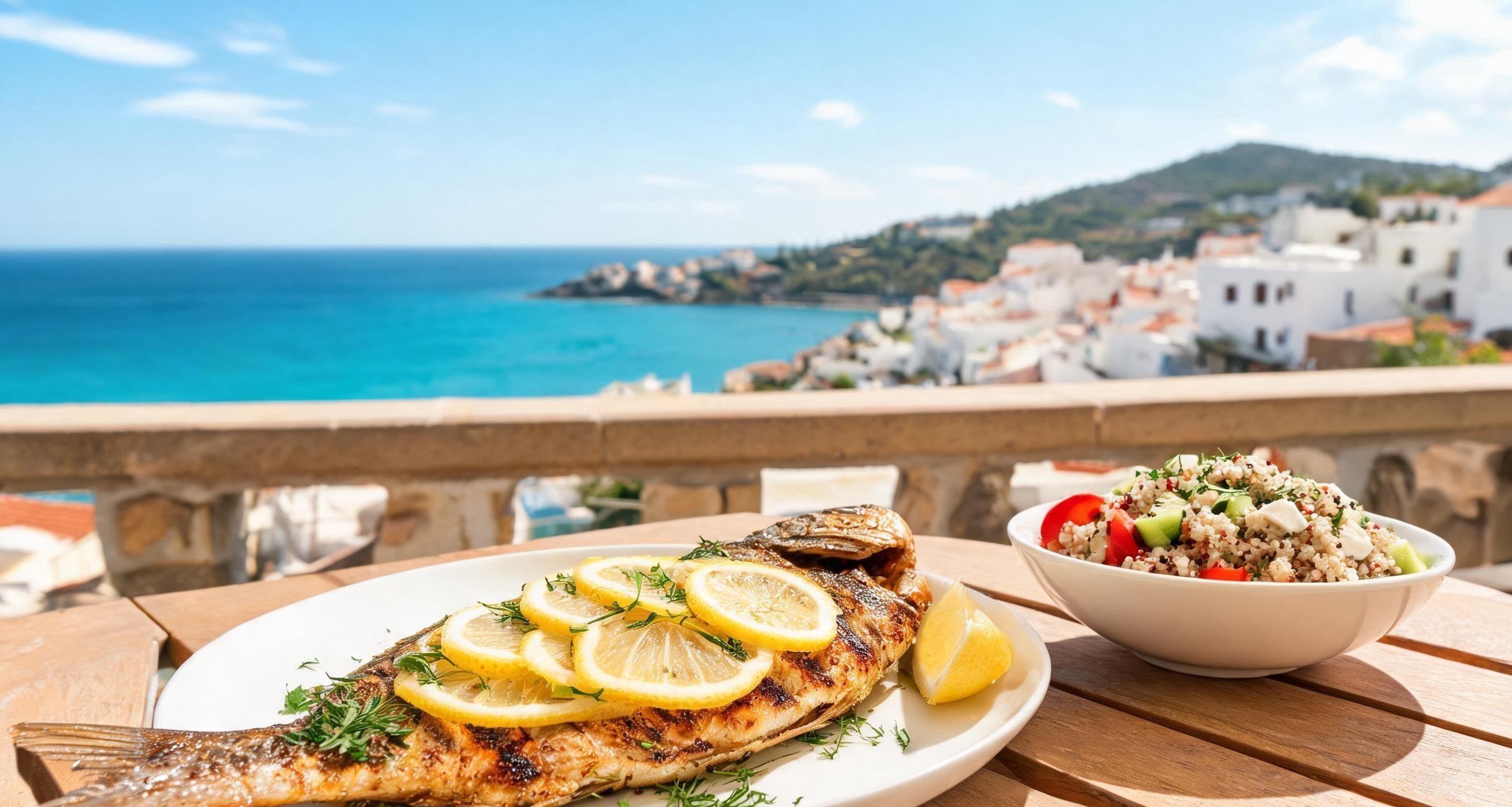
The part of the Mediterranean diet that gets less attention but matters just as much is the social dimension. In Mediterranean countries, meals are not typically eaten alone in front of a screen. They are eaten with other people, at a table, with conversation. The meal lasts longer than twenty minutes. There is wine, usually in moderation, and there is a sense that the act of eating together is as important as what is on the plate. I cannot replicate the view of the Aegean Sea from my dining room window, and I do not try. But I can sit at the table with my family, put my phone in the other room, and let the meal take forty-five minutes instead of fifteen. That change, simple as it sounds, has done more for my relationship with food than any specific recipe or ingredient.
I do not use the term Mediterranean diet with my family because it sounds like something you do for a month and then stop. I just cook the food, and the food does the talking. My daughter, who is seven, does not know that the white beans she eats are part of a medically endorsed eating pattern. She just knows they taste good with olive oil and salt. That is the way to make this work long-term. Do not think of it as a diet. Think of it as a way of putting food on the table that happens to be good for you, that tastes good, and that does not require a subscription or a meal plan or a supplement. Olive oil, vegetables, beans, fish, bread, fruit. It is not complicated. The hard part is ignoring everything else.