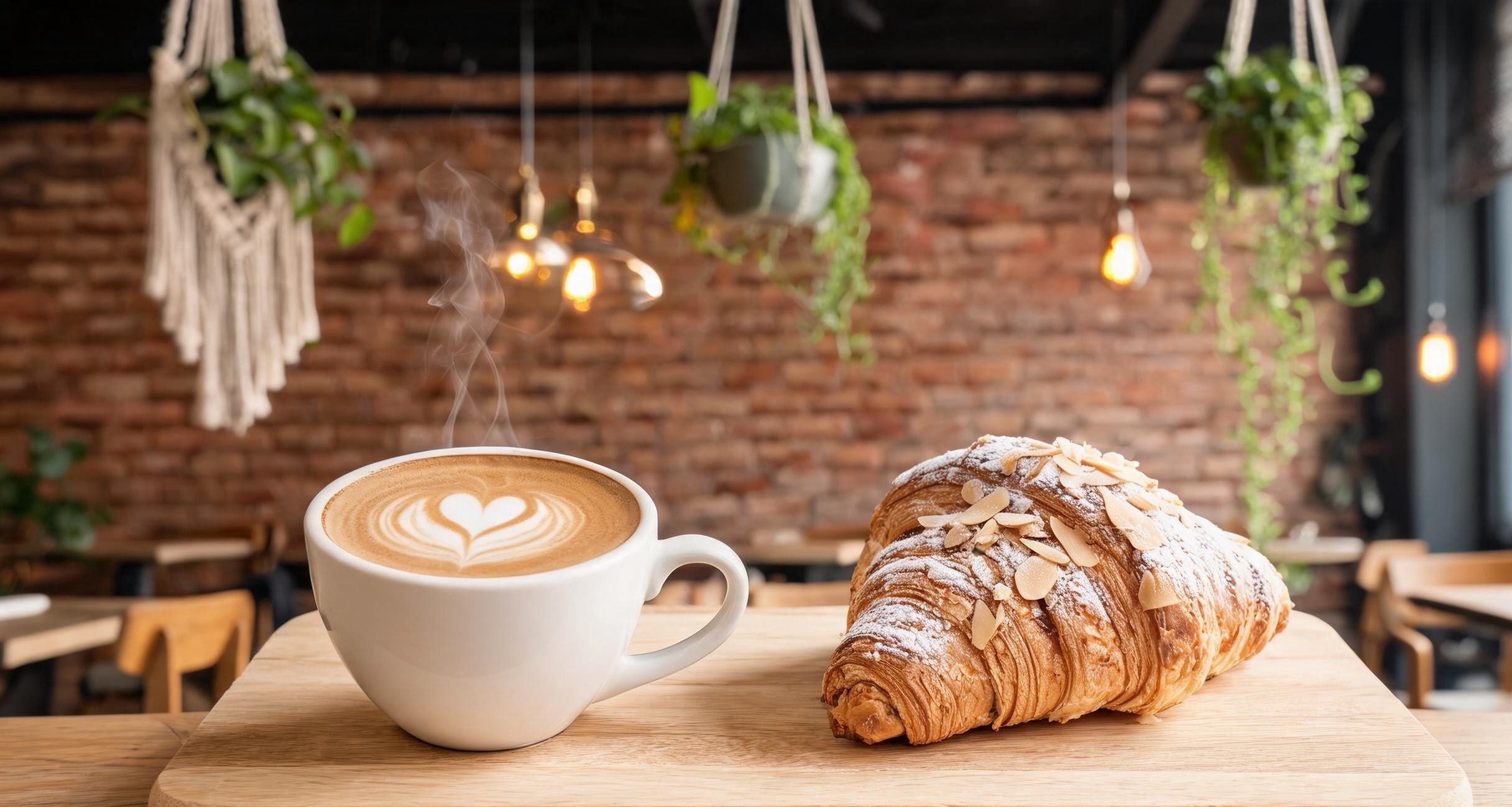
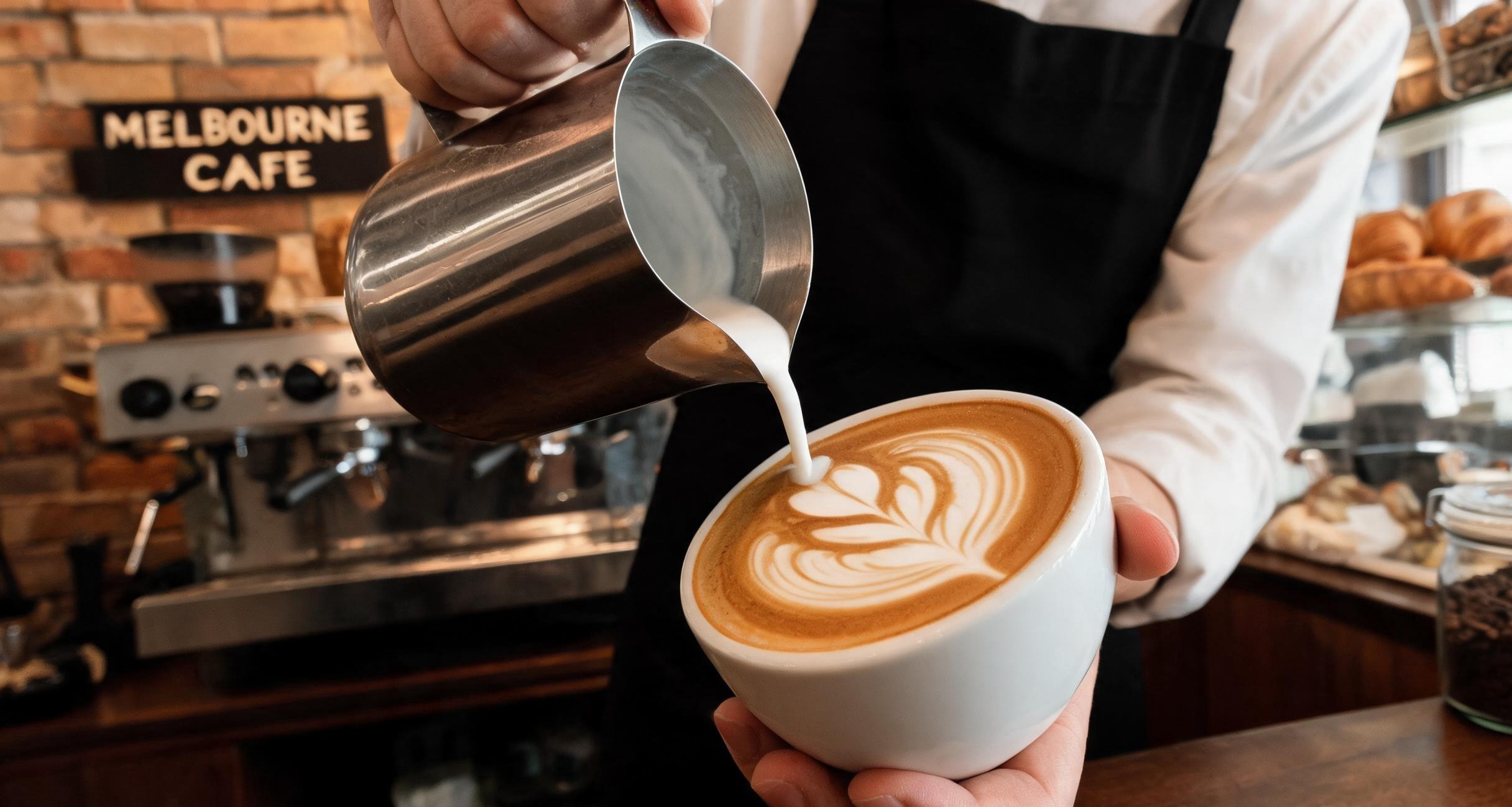
The first thing that hits you in a Melbourne cafe is not the smell of coffee, though that comes a close second. It is the speed. The barista behind the machine at Patricia Coffee Brewers on Little Bourke Street pulled my flat white in under ninety seconds, from grinding the beans to sliding the cup across the counter, and it was better than anything I have had in New York, London, or any of the other cities that claim to take coffee seriously. The milk was textured to a microfoam so fine it looked like wet paint, and the espresso underneath had a sweetness to it, no bitterness at all, that I associate with much more expensive drinks. I stood at the narrow bar, because Patricia has no seats, and drank it in four minutes. Then I ordered another one. That is the rhythm of coffee in Melbourne. You do not linger over a single cup for an hour. You drink it quickly and move on, or you order another.
Patricia has been open since 2012 and it occupies what used to be a narrow alleyway. There is no kitchen, no food menu, no wifi. Just espresso, filter coffee, and a selection of milks. The beans come from a rotating roster of Australian roasters, and the menu is written on a small chalkboard above the machine. I ordered a second flat white, this time with oat milk, because that is what half the customers seemed to be drinking. The barista adjusted the temperature and the pour without being asked, and the drink was nearly identical in quality to the first one. That consistency is harder to achieve than it looks. Most cafes can pull a good shot when everything is going well. The mark of a skilled barista is pulling a good shot at nine in the morning when the queue is fifteen people deep and the grinder needs adjusting and someone is asking about almond milk alternatives.
Market Lane Coffee, my second stop, operates on a different principle entirely. They roast their own beans in a facility in the suburb of Cremorne, and they have been doing it since 2009, which makes them one of the earlier specialty roasters in Australia. Their cafe in the Carlton neighborhood is larger than Patricia, with wooden tables and a window that opens onto the street. I ordered a filter coffee, a Kenyan single-origin pour-over, because that is what they are known for. It arrived in a ceramic cup, not a paper filter cone, and it was served with a small card listing the tasting notes: blackcurrant, brown sugar, grapefruit. I am usually skeptical of tasting notes on coffee, but this one was accurate. The Kenyan beans had a bright, fruity acidity that I do not normally associate with coffee, and the aftertaste lingered for a long time. It was a slower drink than the flat whites at Patricia, meant to be sipped and thought about rather than knocked back between meetings.
The third cafe, Axil Coffee Roasters in Hawthorn, represents the suburban side of Melbourne's coffee culture. The city's best coffee is not confined to the central business district. Some of it is in strip malls and quiet neighborhoods where the customers are regulars who come in every morning and the baristas know their orders by heart. Axil roasts their own beans and serves a full food menu alongside their coffee. I had a long black, which is what Australians call an Americano, though the preparation is different. Instead of adding hot water to an espresso, a long black is made by pulling a double shot over hot water, which preserves more of the crema. The result is a stronger, more full-bodied drink than a typical Americano. The beans were a blend from Brazil and Ethiopia, and the barista told me the ratio changes slightly each week based on what they are getting from their suppliers. That kind of flexibility and attention to the raw material is what separates the Melbourne coffee scene from most other cities I have visited.
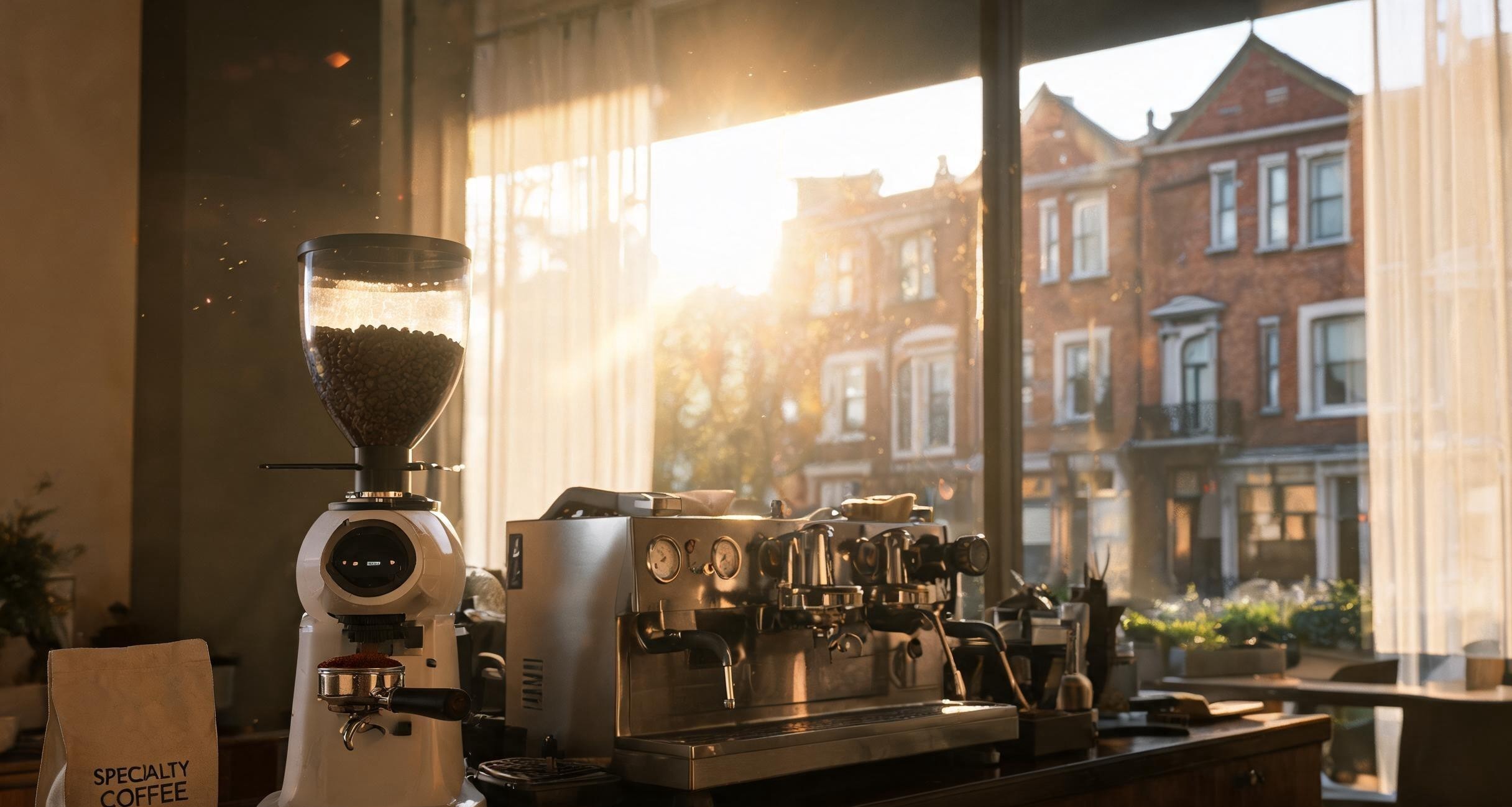
What connects these three cafes, and what makes Melbourne's coffee culture different from what I have experienced elsewhere, is a refusal to treat coffee as an afterthought. In most cities, even ones with good coffee, the drink is something you grab on the way to work or pair with a pastry. In Melbourne, the coffee is the point. People go to specific cafes for specific roasters and specific brewing methods. The flat white was arguably invented in Australia, though New Zealand also claims it, and whether or not that is true, the drink embodies the Australian approach: strong coffee, perfectly textured milk, no fuss. After a week in Melbourne, I understood why Australians traveling abroad complain constantly about the coffee. They have set a standard that is hard to match, and once you have had a proper flat white at Patricia or a pour-over at Market Lane, everything else tastes like a compromise.