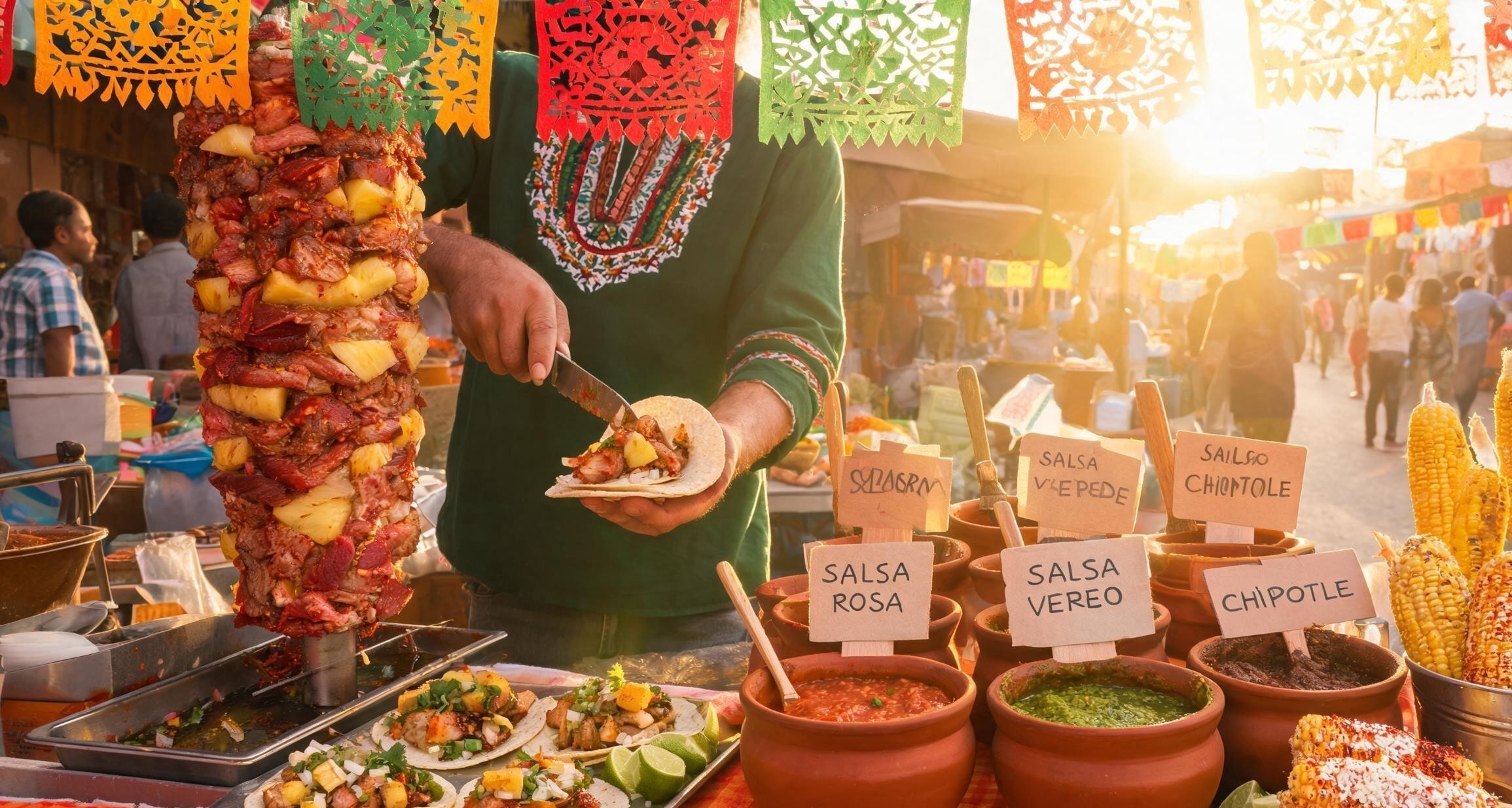
I walked into the Mercado 20 de Noviembre in Oaxaca City at 6:40 in the morning, before the tourist crowd arrived, and the Pasillo de Humo was already thick with wood smoke and the sound of comals sizzling. Most of the foreigners who find their way to this market stop at the tlayuda stands because someone on a blog told them to. They eat the big crispy tortilla loaded with tasajo and quesillo, take a photo, and leave. That is a fine meal. But it is not where the best food in this market lives. The best food is at the stalls where nobody speaks English and the handwritten menus are only in Spanish, and the women working behind the counter have been making the same thing for thirty years.
I want to talk about four dishes that most visitors to central and southern Mexico pass over because they do not recognize the names. These are not secret foods. Local people eat them every single day. But they are invisible to travelers who stick to the top ten lists and the English-language guides.
The first is the tlacoyo. If you see something that looks like an oval, slightly puffy corn cake on a comal and you almost mistake it for a thick tortilla or a huarache, that is a tlacoyo. It is made from masa formed into an oval shape, stuffed with a filling -- usually requesón (a fresh, crumbly cheese similar to ricotta), frijoles refritos, or chicharrón prensado -- then cooked on a dry comal until the outside gets slightly crisp and the inside stays soft. It is finished with a spoonful of salsa verde or roja and a sprinkle of crumbled cheese and nopales. Doña Amparo has been selling tlacoyos at the edge of the Mercado de Benito Juárez in Oaxaca since 1991. She arrives at 5:00 a.m. to prepare her masa, which she nixtamalizes herself the night before. Her tlacoyos de requesón with salsa verde cost 20 pesos. They sell out by noon.
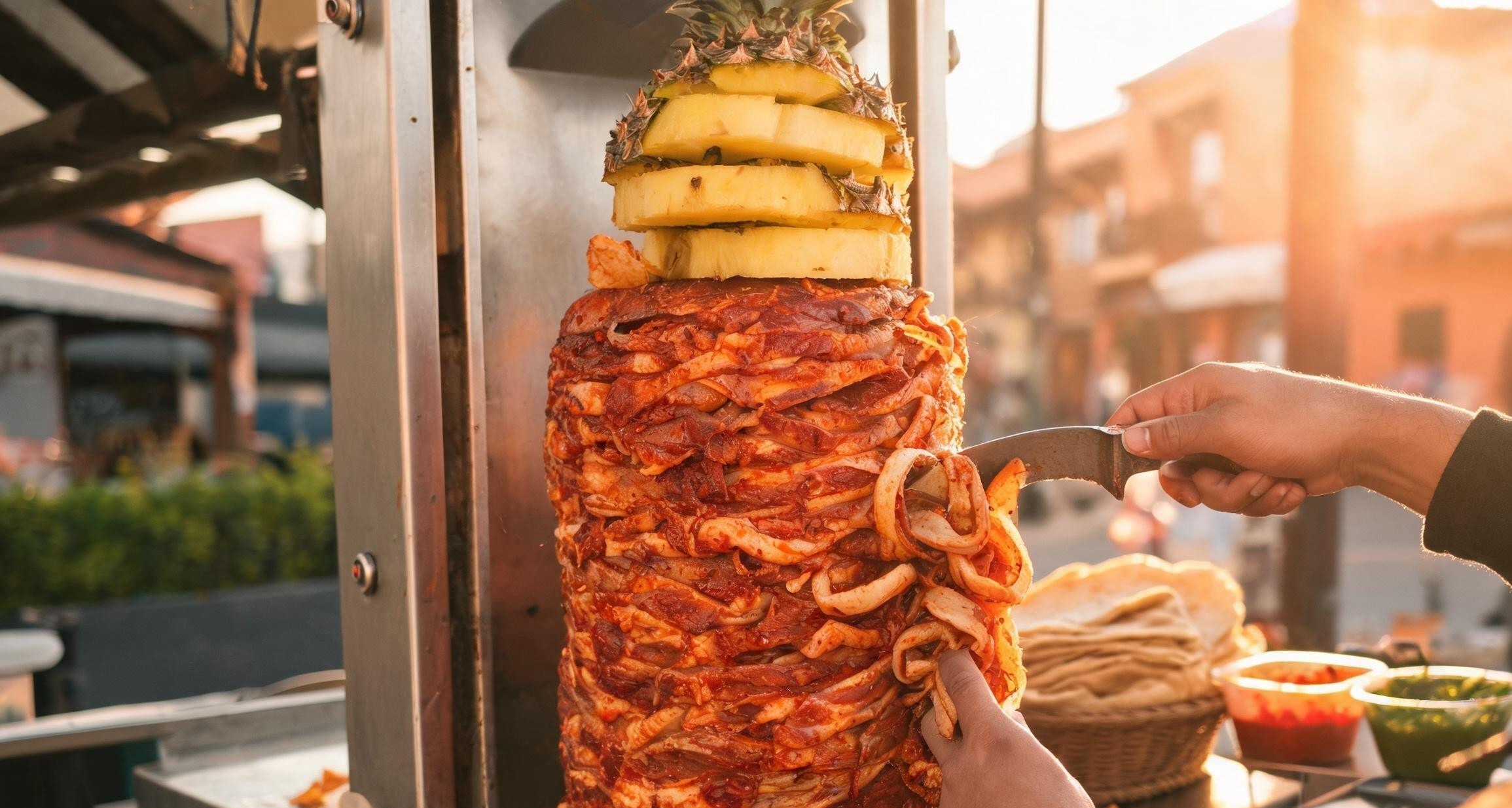
Then there are esquites. You have probably had elote -- the whole corn on the cob slathered with mayo, lime, chili, and cheese. Esquites are the same flavors, but served in a cup. The kernels are cut from the cob and simmered in a small pot with epazote, a few cloves of garlic, and enough water to keep them from burning. When you order, the vendor scoops the hot kernels into a styrofoam cup and adds a spoonful of mayonnaise, a squeeze of lime juice, chili powder, and a handful of grated cotija cheese. You eat it with a small spoon standing right there at the stall. In Puebla, where I grew up, the best esquites were sold by a man named Don Refugio who set up on the corner of Calle 5 de Mayo and Avenida Juárez every afternoon at 4:00. He used white corn from the Atlixco valley, not the yellow corn you find in most tourist areas, and the difference in sweetness is real. He is still there, as far as I know. His granddaughter runs the stall now.
The chalupa from Puebla is another dish that gets lost in the noise. This is not the Taco Bell chalupa. A real Poblano chalupa is a small, boat-shaped piece of masa that is fried in a shallow pool of lard until it is light and crunchy, then topped with shredded chicken or pork, a thin layer of salsa roja, and shredded lettuce and onion. The stall of Doña Lucha in the Mercado de Sabanilla in Puebla has been making chalupas since 1978. She fries each one to order in a comal with about a quarter inch of manteca. They come out crisp and hot, and you eat them immediately while standing because they do not travel well. A plate of four costs 45 pesos. She is open from 7:00 a.m. to 2:00 p.m., and if you arrive after 1:00, the pickings are thin.
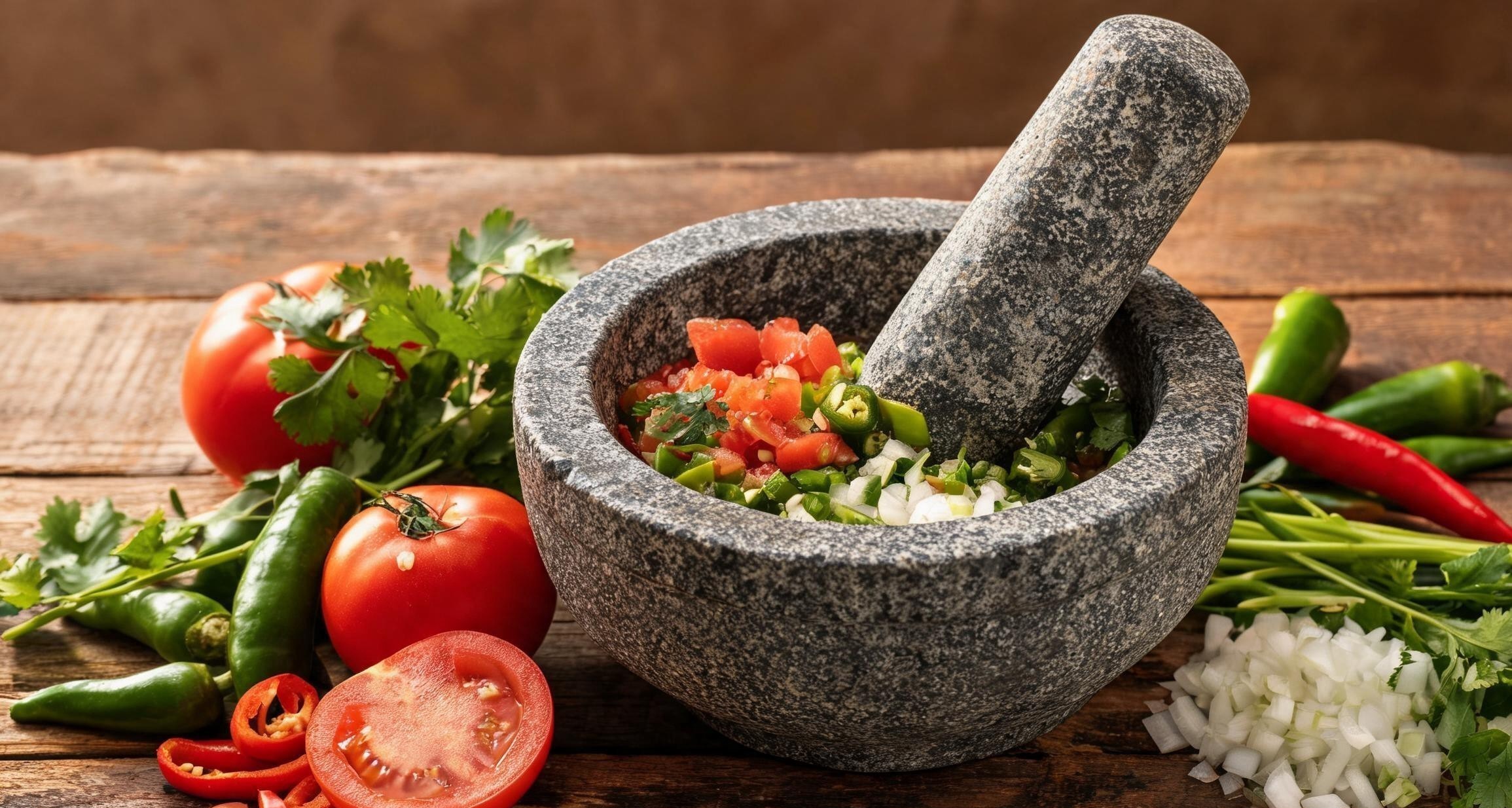
The fourth dish is the memela, which is common in Oaxaca but almost unknown outside the state. A memela is a thick, round tortilla made from masa that is partially cooked on a comal, then topped with asiento (unrefined pork lard), salsa, and sometimes a thin slice of tasajo or chorizo. It is simple, heavy, and deeply satisfying. The best memelas I have ever eaten came from a stand run by Señora Hortensia in the Mercado de Tlacolula, about 30 minutes outside Oaxaca City by bus. She has been working at the same stall since 1985, six days a week, from 6:00 a.m. until she sells out, which is usually around 1:00 p.m. Her memelas cost 15 pesos each. She makes her salsa in a molcajete every morning, grinding roasted tomatillos, serrano chiles, and a clove of garlic together on the rough volcanic stone. The texture is coarse and the flavor is sharp in a way that a blender simply cannot reproduce.
A few practical tips if you are going to seek these out. Go early. The best stalls open between 5:00 and 7:00 in the morning, and they sell out. Bring cash in small bills and coins. Do not expect the vendors to speak English. Learn a few words of Spanish for ordering: "uno, por favor" and "con todo" will get you far. Eat standing up, the way locals do. Do not be afraid of stalls where there are no other foreigners. In fact, that is usually a good sign. Look for the stall with the longest line of local people. That line exists for a reason.
These foods are not fancy. They cost almost nothing. They are made by people who have spent decades perfecting a single dish, often using recipes passed down from their parents or grandparents. The memela vendor and the tlacoyo woman and the esquitero are not trying to impress anyone. They are feeding their neighbors, the same way they have for years. That is the real street food culture of Mexico. It is not on the cover of a travel magazine. It is on a plastic stool at 7:00 in the morning, and it is worth going out of your way to find.