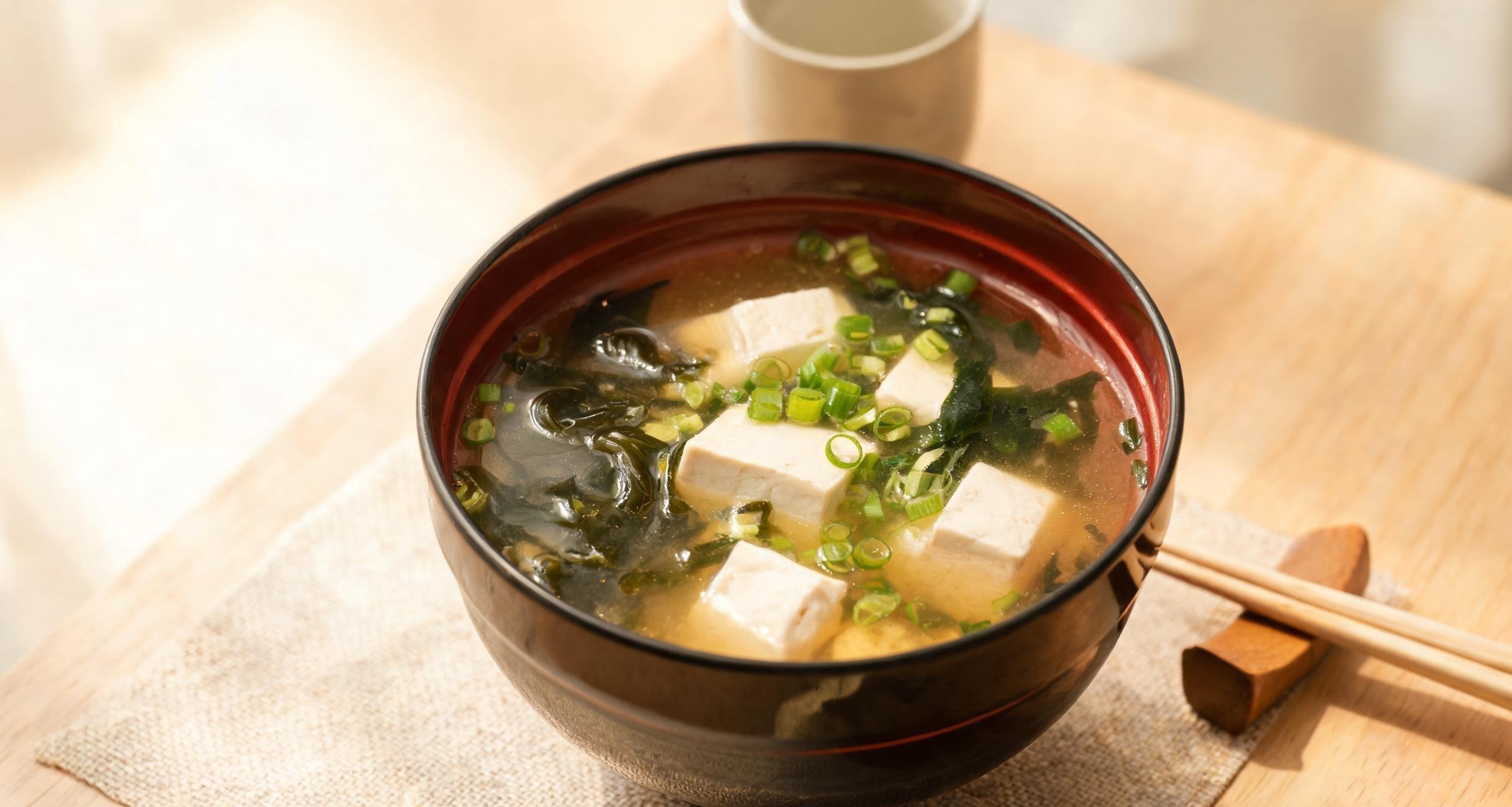
Growing up in Osaka, miso soup was not something we thought about. It was just there, every morning, in a small lacquered bowl next to the rice and the pickled vegetables. My grandmother made it with whatever was in the fridge: cubes of tofu in summer, thin slices of daikon in winter, clams when my uncle brought them back from the coast. The soup changed with the seasons, but the base was always the same. Real dashi, real miso, nothing from a packet. I did not realize until I moved to the United States that most people outside Japan have never had miso soup the way it is supposed to taste.
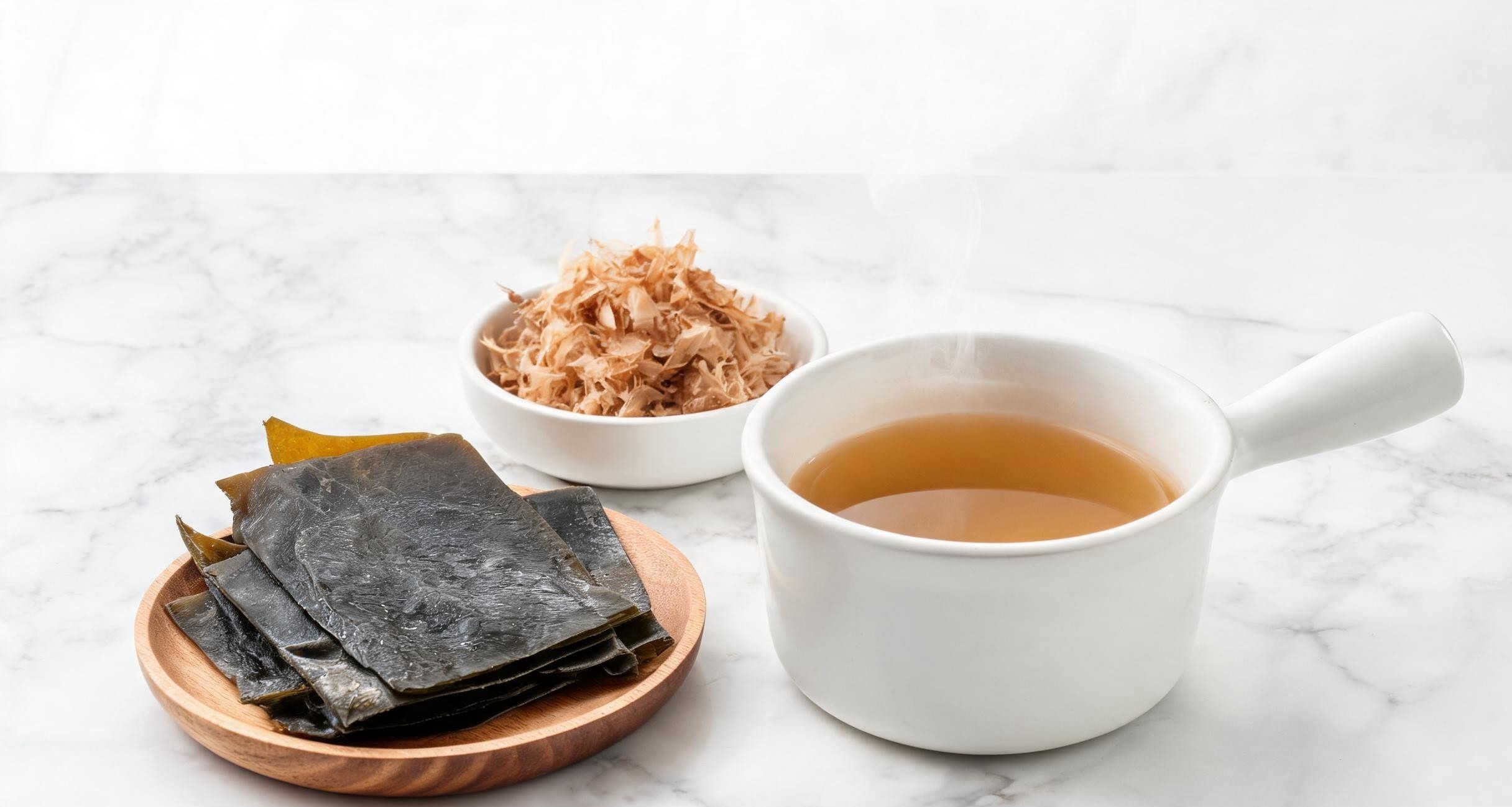
The packet stuff is fine in an emergency, I suppose. It is salty and it is fast and it has the vague brown color that says miso on a surface level. But once you make miso soup by hand, you will not go back. The difference is in the dashi, the stock that forms the backbone of the soup. Most Japanese home cooks make it with kombu, a thick dried kelp, and katsuobushi, dried bonito flakes. You wipe the kombu with a damp cloth, soak it in cold water for thirty minutes, then bring it to just below a simmer. Right before it boils, you pull out the kombu. Then you add a fistful of bonito flakes, let the pot sit off the heat for a few minutes, and strain. The resulting liquid is light, clean, and subtly smoky. It takes about ten minutes.
Miso comes in many varieties, and the one you choose will determine the character of your soup. White shiro miso is mild and slightly sweet, good for a light breakfast soup. Red aka miso is bolder and saltier, better for winter. My grandmother mixed both, which is common in the Kansai region where we lived. She kept a wooden tub of aged miso in a cool corner of the kitchen, spooning out what she needed each morning. The paste was alive, in a sense, continuing to ferment slowly, deepening in flavor over months. Aged miso develops complexity that young miso cannot match, and the darker the color, the more intense the flavor tends to be. Store-bought miso in a tub from an Asian grocery store works perfectly well. Just keep it in the fridge once you open it, and use it within a few months for the best flavor.
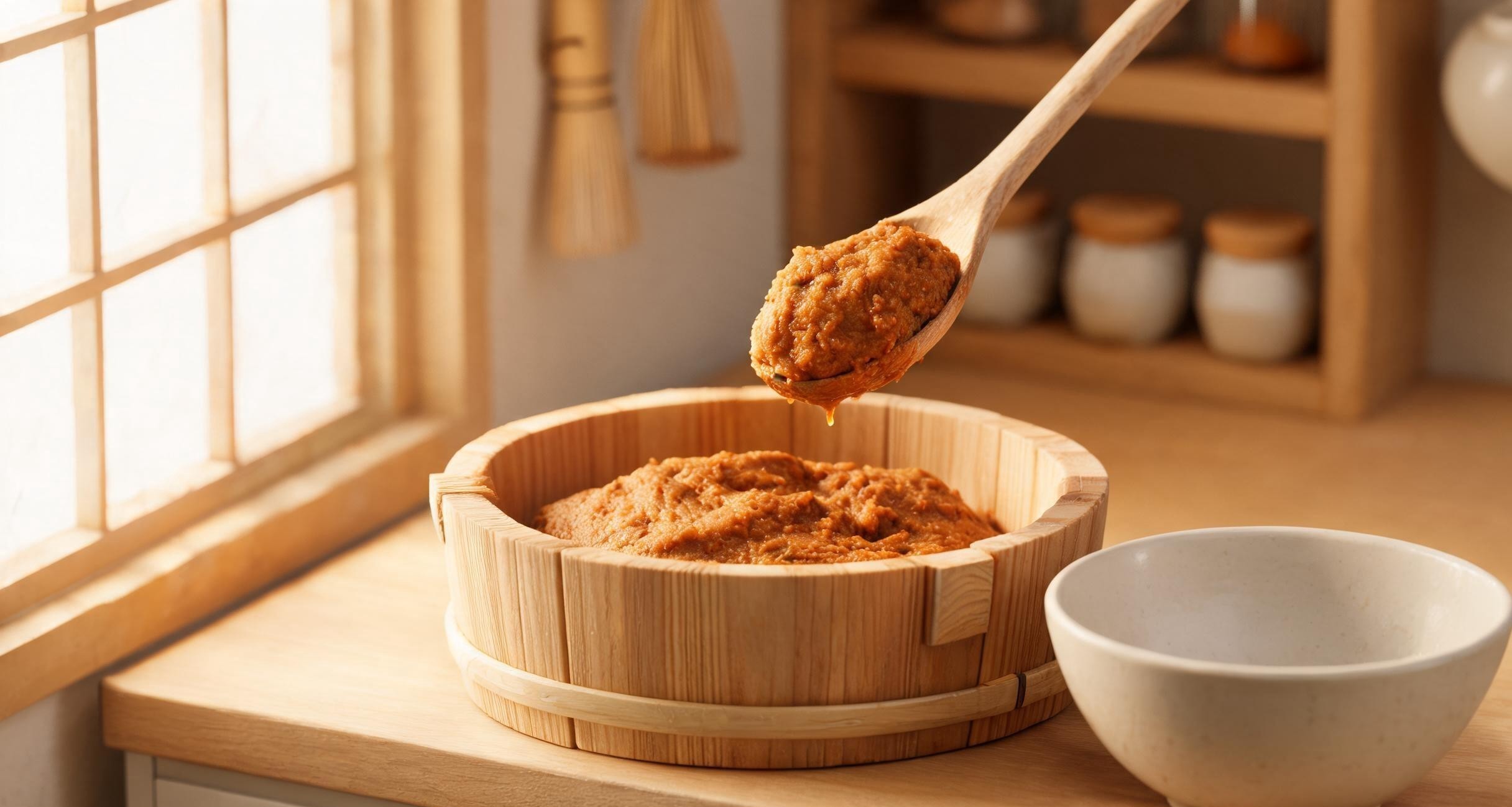
The trick with miso is that you must never boil it after it goes into the soup. Heat destroys the beneficial bacteria and flattens the flavor. I dissolve the paste in a ladle by stirring it with a small amount of hot dashi before adding it to the pot. This prevents clumping and gives you better control over the seasoning. Start with about two tablespoons of miso for four cups of dashi, taste, and add more if needed. Some days I want a lighter soup, some days I want it assertive. There is no single correct ratio.
What goes into the soup is up to you, and this is where it becomes personal. Tofu is the classic addition, cut into small cubes and added just before the miso. Wakame seaweed, rehydrated in water for a few minutes, adds texture and a briny note. In spring, I add a few sliced mushrooms or a handful of spinach leaves. In autumn, thinly sliced kabocha squash brings a sweetness that works beautifully with the salty miso. Green onions on top are non-negotiable in my house.
The whole process, from wiping the kombu to ladling the soup into bowls, takes maybe twenty minutes. It is not a complicated dish. What makes it special is the attention to small details: not boiling the kombu, straining the dashi carefully, dissolving the miso off the heat, adding the tofu at the last moment so it holds its shape. These are not difficult steps. They just require you to care. And once you taste the result, you will care, because a properly made bowl of miso soup is warm and comforting in a way that the powdered version never manages to be. A jar of good miso paste, kept in the fridge, will last for months. A small piece of kombu and a handful of bonito flakes will make enough dashi for several batches. The investment is small. The return is enormous. I make miso soup five mornings a week now, varying the ingredients based on what is in the refrigerator. It takes less time than making coffee. It is the taste of my grandmother's kitchen, and it takes almost no effort to bring it into your own.
The type of miso you use will define the entire bowl. I keep two kinds in my refrigerator at all times: a light shiro miso for morning soups and a darker, more pungent aka miso for heartier versions with root vegetables. Mixing them is not heresy. Many Japanese home cooks blend red and white miso to balance sweetness with depth. The ratio I settle on in winter is roughly two parts white to one part red, which gives a soup that is warming without being too assertive. In summer, I use all white miso for a lighter, cleaner taste. The dashi stays the same, but the miso changes the character completely.