The po-boy shop in the Ninth Ward had a line out the door at eleven in the morning on a Wednesday, and nobody in the line seemed surprised by this. I asked the woman behind me how long she had been waiting, and she said about twenty minutes, and that was normal, and that the roast beef po-boy was worth twice the wait. I ordered one, plus a cup of gumbo that the woman at the counter recommended without being asked. The sandwich arrived in a paper wrapper, about twelve inches long, the French bread so crispy that flakes of crust fell onto the paper when I picked it up. The roast beef was slow-cooked and shredded, sitting in a dark brown gravy that soaked into the bottom half of the bread. The top half had been dressed with shredded lettuce, sliced tomatoes, and mayonnaise. I ate it standing up, leaning against the counter, and it was the best sandwich I had in New Orleans.
New Orleans has a specific relationship with bread that does not exist anywhere else in the United States. The French bread used for po-boys is not the same as a baguette or a ciabatta or any other European bread. It is a narrow loaf with a crisp, thin crust and a soft, airy interior that compresses when you bite into the sandwich. It should be warm when it is served, and it should be strong enough to hold the fillings without falling apart but not so dense that it overwhelms them. The two bakeries that supply most of the French bread in New Orleans are Leidenheimer and Gambino's, and arguments about which one is better will get you into a conversation that lasts an entire evening.
The roast beef po-boy is the standard by which all others are judged. The beef is slow-roasted, usually with a dark roux-based gravy, and then shredded or sliced thin and piled onto the bread while still hot. The gravy is key. It soaks into the bread and turns the bottom half of the sandwich into something closer to a savory bread pudding than a traditional sandwich. The combination of soft, gravy-soaked bread and tender, falling-apart beef is the reason people stand in line for twenty minutes on a Wednesday. Some shops add Swiss cheese. Some add pickles. The best ones keep it simple: beef, gravy, bread, dressings.
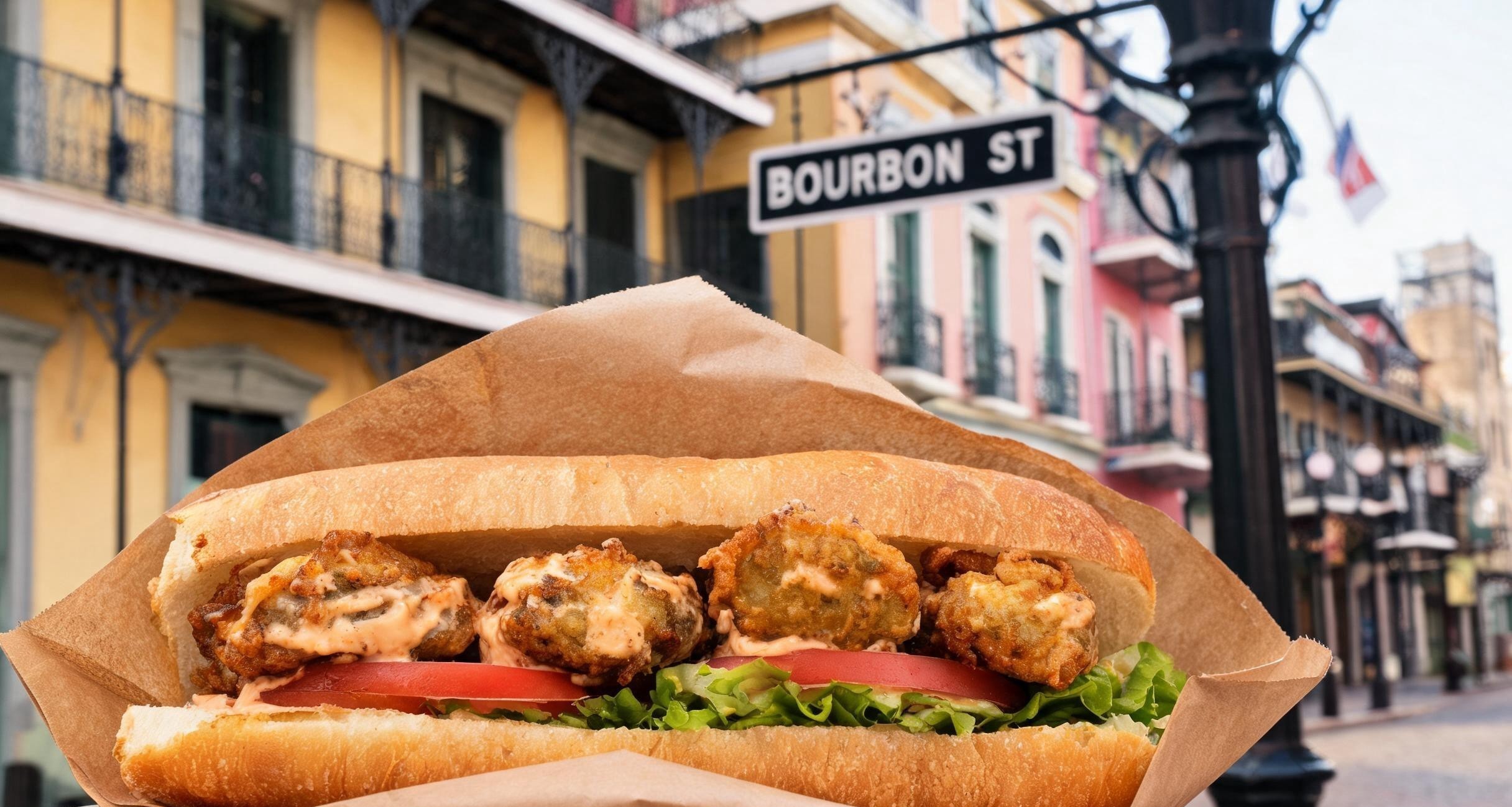
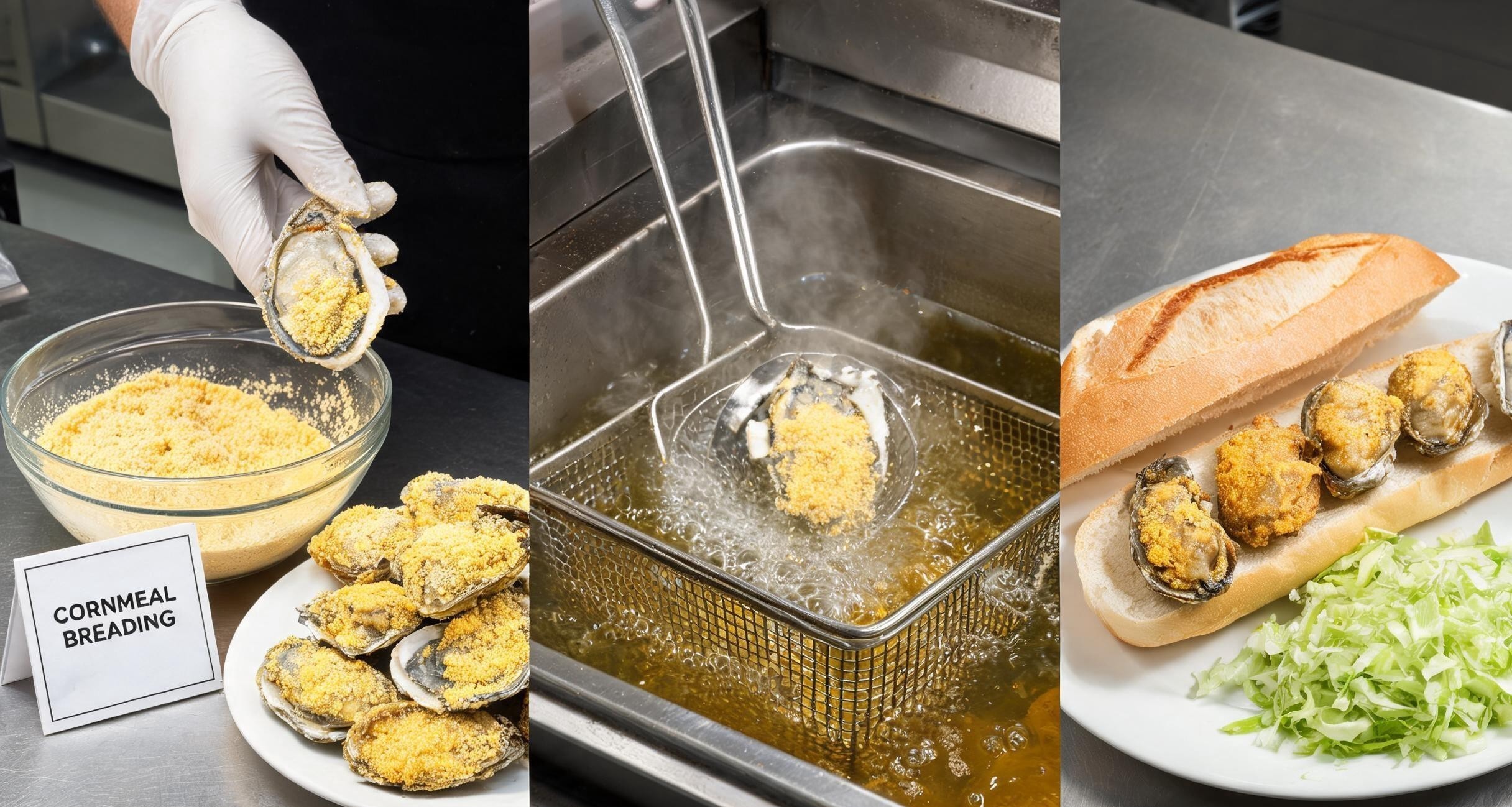
The fried oyster po-boy is the other classic, and it is a completely different experience. The oysters are shucked, coated in a light cornmeal breading, and fried until golden. They go onto the bread hot, still slightly juicy inside, with the same dressings as the roast beef: lettuce, tomato, mayonnaise. The contrast between the hot, crispy oysters and the cool, crisp vegetables is what makes this sandwich work. I had one at Domilise's, which has been operating in the same location since 1918, and the oysters were so fresh they tasted like they had been pulled from the Gulf of Mexico that morning. They probably had been. The fry was light enough that the oyster flavor came through, which is the mark of a good fry cook.
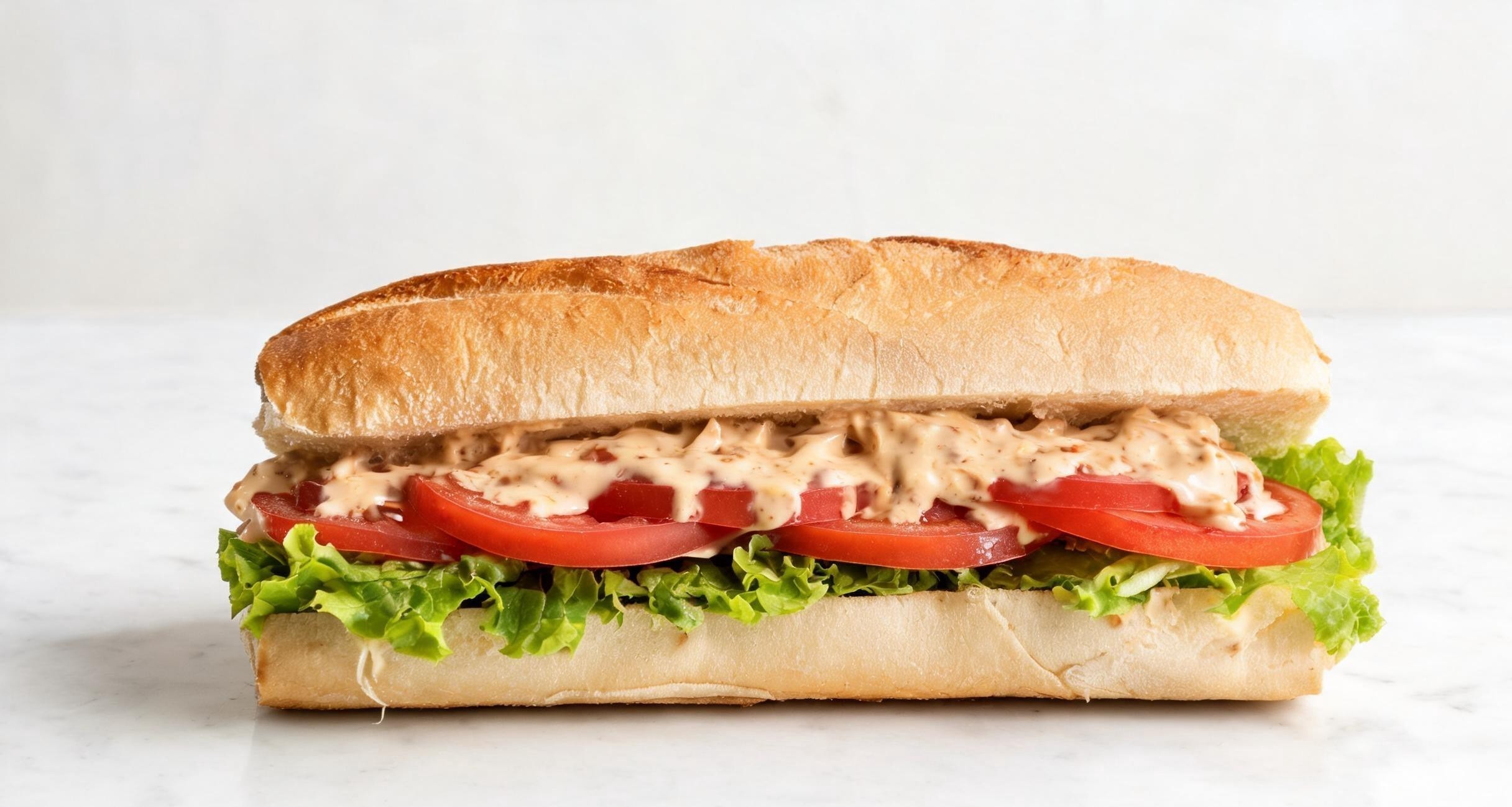
The third po-boy that deserves attention is the shrimp version. Gulf shrimp, butterflied and fried, piled four or five inches high on the bread. The trick is getting the shrimp fry right. Too thick and it is a batter bomb. Too thin and the shrimp dry out in the fryer. Parkway Bakery, on Hagan Avenue, does a version that I think is the best in the city. The shrimp are medium-sized, fried in a seasoned flour that has a slight cayenne kick, and stacked so high that you have to compress the sandwich to get your mouth around it. The bread at Parkway is from Leidenheimer, and they keep it warm in a heated cabinet behind the counter. Every po-boy shop in New Orleans has a bread warmer. It matters that much.
There is a debate in New Orleans about whether ketchup belongs on a po-boy. The traditionalists say no, never, under any circumstances. The younger generation and some newcomers say yes, on certain sandwiches, in particular the roast beef. I tried it both ways and I will say this: the roast beef po-boy with gravy is already so rich and savory that ketchup adds nothing except sweetness that the dish does not need. The fried seafood po-boys do not benefit from ketchup either. The mayonnaise that comes standard on every po-boy is the only condiment you need. I did see one man at Parkway squeeze a packet of hot sauce onto his fried shrimp po-boy, and the woman behind the counter did not say a word, which suggests that even the most traditional shops have learned to pick their battles.
The roast beef debris po-boy at Parkway deserves special mention because of the debris itself, which is the term for the small, shredded pieces of beef that fall off during slicing and end up mixed into the gravy. The debris is the best part of the sandwich. It soaks into the bread more thoroughly than the larger slices of beef, and it distributes the meat flavor evenly throughout the sandwich. A proper debris po-boy should have so much gravy and debris that the bottom half of the bread is almost soft enough to eat with a fork. This is not a sandwich for people who want a neat eating experience. It drips. It falls apart. You need a pile of napkins and a willingness to get your hands dirty. That messiness is part of the appeal. A po-boy that you can eat cleanly is a po-boy that was made wrong.