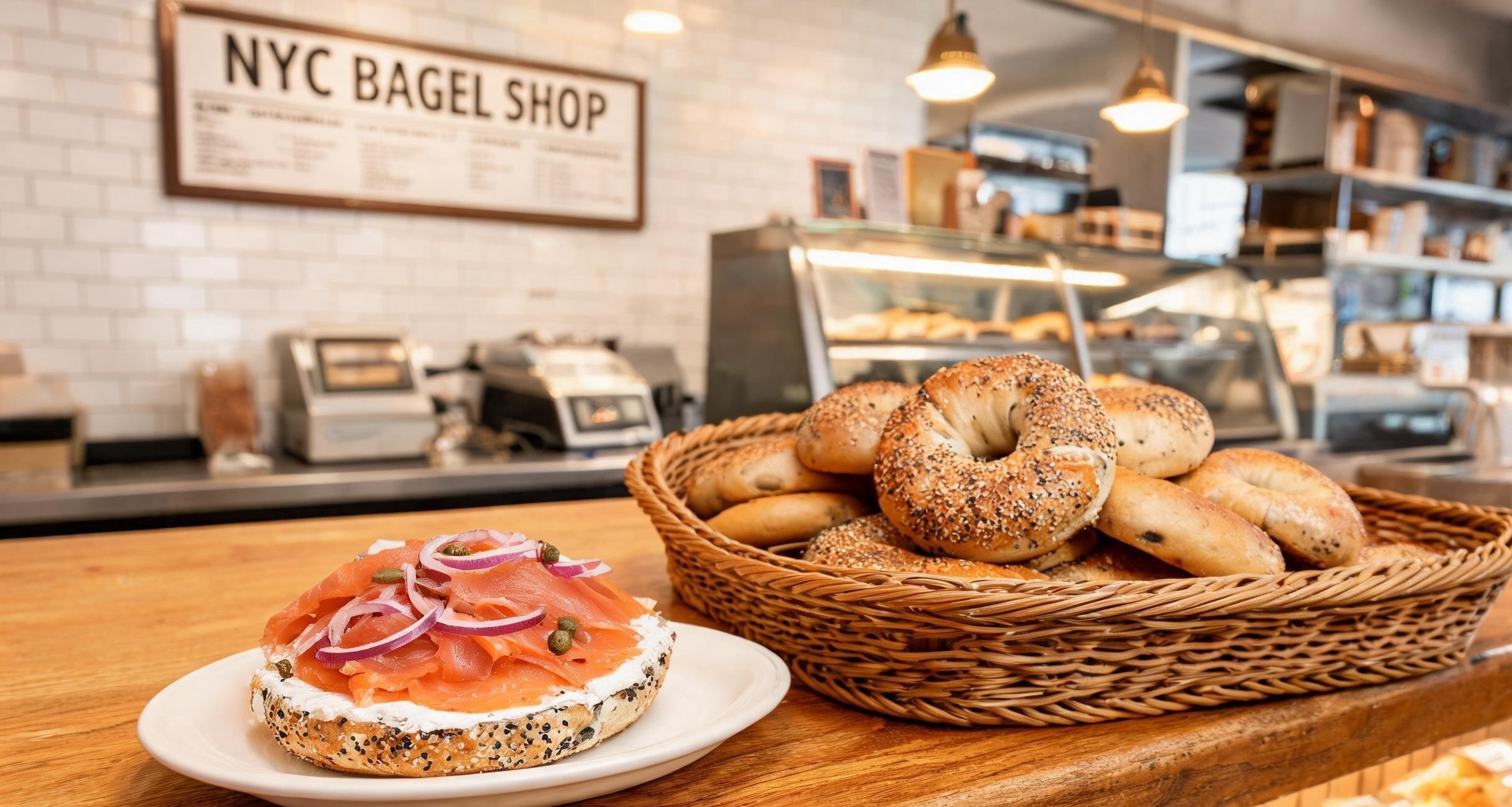
New York bagels have been disappointing me for years, and I had started to think the problem was nostalgia. Maybe the bagels I remembered from childhood were not actually that good. Maybe everything was fine and I was just getting older and harder to please. Then I went to Russ and Daughters on the Lower East Side on a Saturday morning, waited in line for twenty minutes, and ordered a plain bagel with cream cheese and lox. One bite, and I realized the problem was not nostalgia. The problem was that most bagels in New York are no longer made the way they used to be. The bagel at Russ and Daughters was dense and chewy, with a crisp crust that cracked when I bit into it and an interior that was substantial without being heavy. It was the opposite of the soft, bread-like bagels you get at most shops in the city now. It tasted like something, not like air with sesame seeds on it.
The difference comes down to one step: boiling. A real bagel is boiled in water before it is baked. The boiling sets the exterior of the dough, creating a skin that bakes into a glossy, crisp crust while the interior stays dense and chewy. Bagels that are not boiled, or that are steamed instead of boiled, end up with a soft, bread-like texture that is closer to a dinner roll than a bagel. The problem is that boiling is slow and labor-intensive, and many shops have dropped it in favor of faster methods that produce a higher volume. I visited three shops in New York that still boil, and the difference was immediately obvious in every case. The crust was crisp, the interior was chewy, and the bagel had a weight and substance that the non-boiled versions lack entirely.
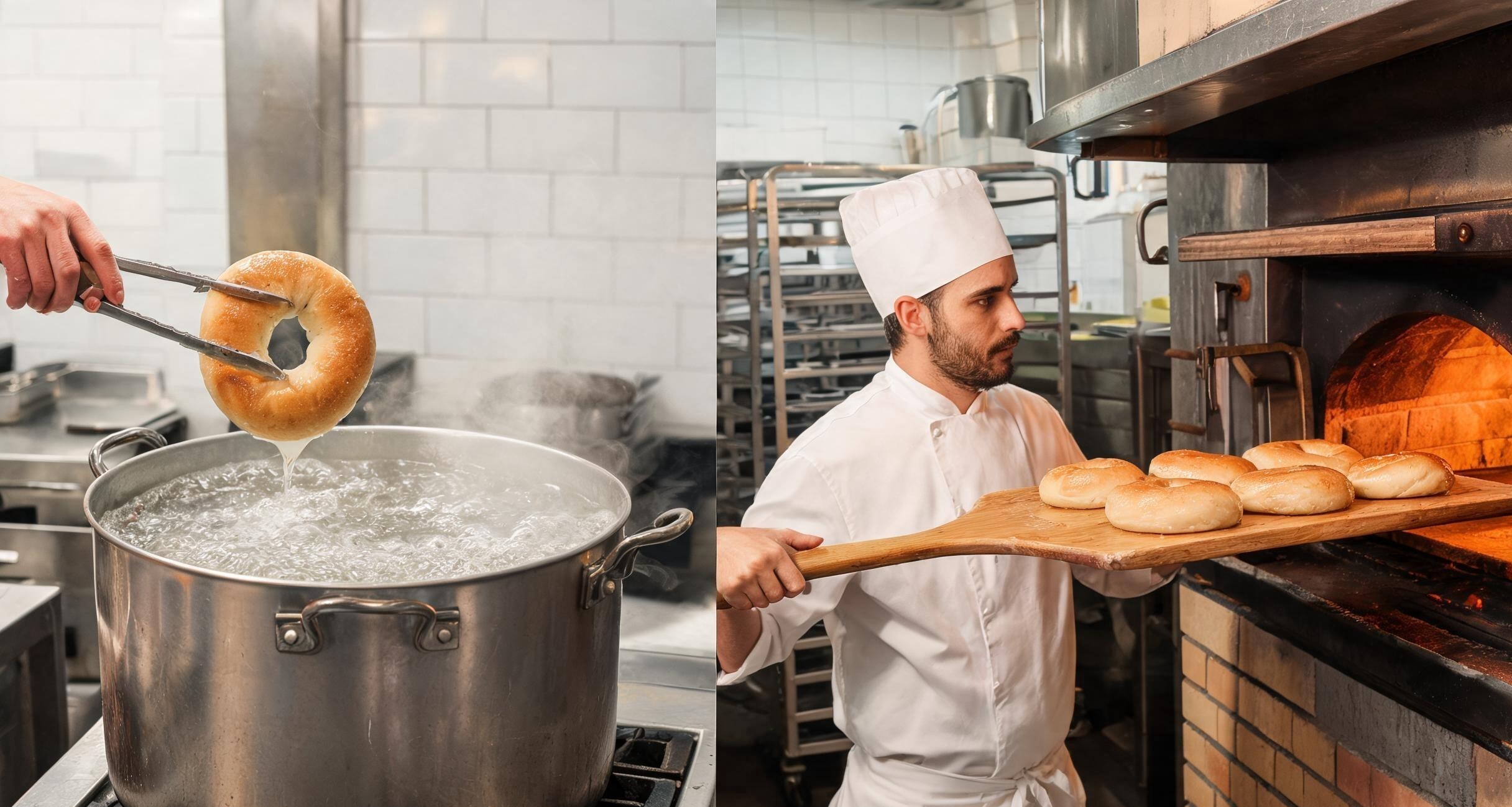
Russ and Daughters has been operating on Houston Street since 1914, first as an appetizing store and now as a sit-down restaurant and bagel shop next door to the original location. Their bagels are made in small batches, boiled in water that has been lightly sweetened with malt or honey, and baked on stone hearth ovens. The result is a bagel with a thin, crackly crust and a close, chewy crumb. I tried the everything bagel with scallion cream cheese, which was excellent, but the plain bagel with lox and cream cheese is the order that tells you everything you need to know about whether a shop takes bagels seriously. At Russ, the lox is sliced thin by hand, the cream cheese is spread thick, and the bagel holds up to the weight of everything on it without collapsing.
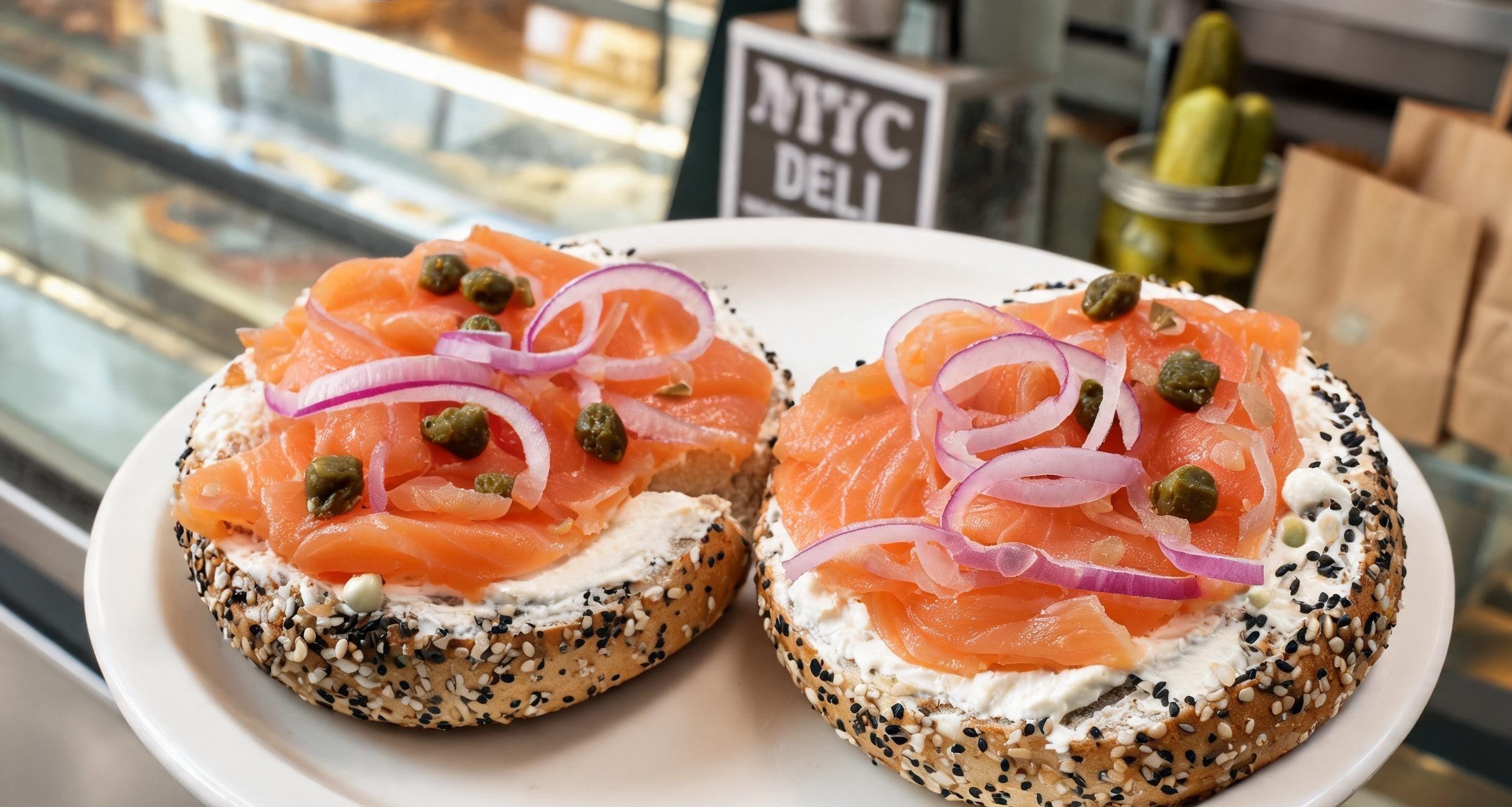
Ess-a-Bagel, on Third Avenue, is a less famous shop that locals have been going to for decades. The bagels here are larger and denser than at Russ, almost aggressively chewy, with a thick crust that requires real effort to bite through. I had an egg bagel with whitefish salad, and the combination of the dense egg bagel and the smoky, creamy fish salad was one of those pairings that makes you wonder why you ever eat anything else for breakfast. The shop is cramped, the line is long, and the service is fast and brusque, which is exactly how a New York bagel shop should operate. Nobody is there to chat. You order, you pay, you eat, you leave. The prices are reasonable for New York, and the quality is consistent. I have been back four times.
The third shop, Tompkins Square Bagels in the East Village, is newer, having opened in 2012, but they boil their bagels and it shows. Their specialty is the black and white cookie bagel, which sounds like a gimmick but is actually a plain bagel topped with half chocolate and half vanilla icing, like the classic New York cookie. I ordered one out of curiosity and it was better than it had any right to be, the icing crackling slightly as I bit through it. But their regular bagels are the reason to go. I had a sesame bagel with butter, the simplest possible order, and it was perfect. Chewy, malty, with a crust that snapped and an interior that sprang back when I squeezed it. Three shops, three different styles, one thing in common: they all boil their bagels. That is the difference between a bagel and a bread ring, and it is a difference you can taste in the first bite.
The one thing every bagel shop in New York agrees on is that the bagel should be eaten the same day it is made. A day-old bagel is a different thing entirely, and while it can be salvaged by toasting or by slicing and turning into a sandwich, it will never have the same texture as a fresh one. The crust softens, the interior dries out slightly, and the whole thing becomes more bread-like and less bagel-like. This is why New Yorkers are particular about when they get their bagels. Saturday and Sunday mornings are the peak times, and the lines at the good shops start forming by eight. I stood in line at Tompkins Square Bagels on a Sunday morning for forty-five minutes, and the line moved slowly because each person at the counter was ordering sandwiches, not just bagels. But the bagel I got, an everything with scallion cream cheese, was worth the wait. The crust crackled when I bit into it, the cream cheese was cold and sharp, and the combination of sesame, poppy, garlic, onion, and salt on the crust gave every bite a different balance of flavors.