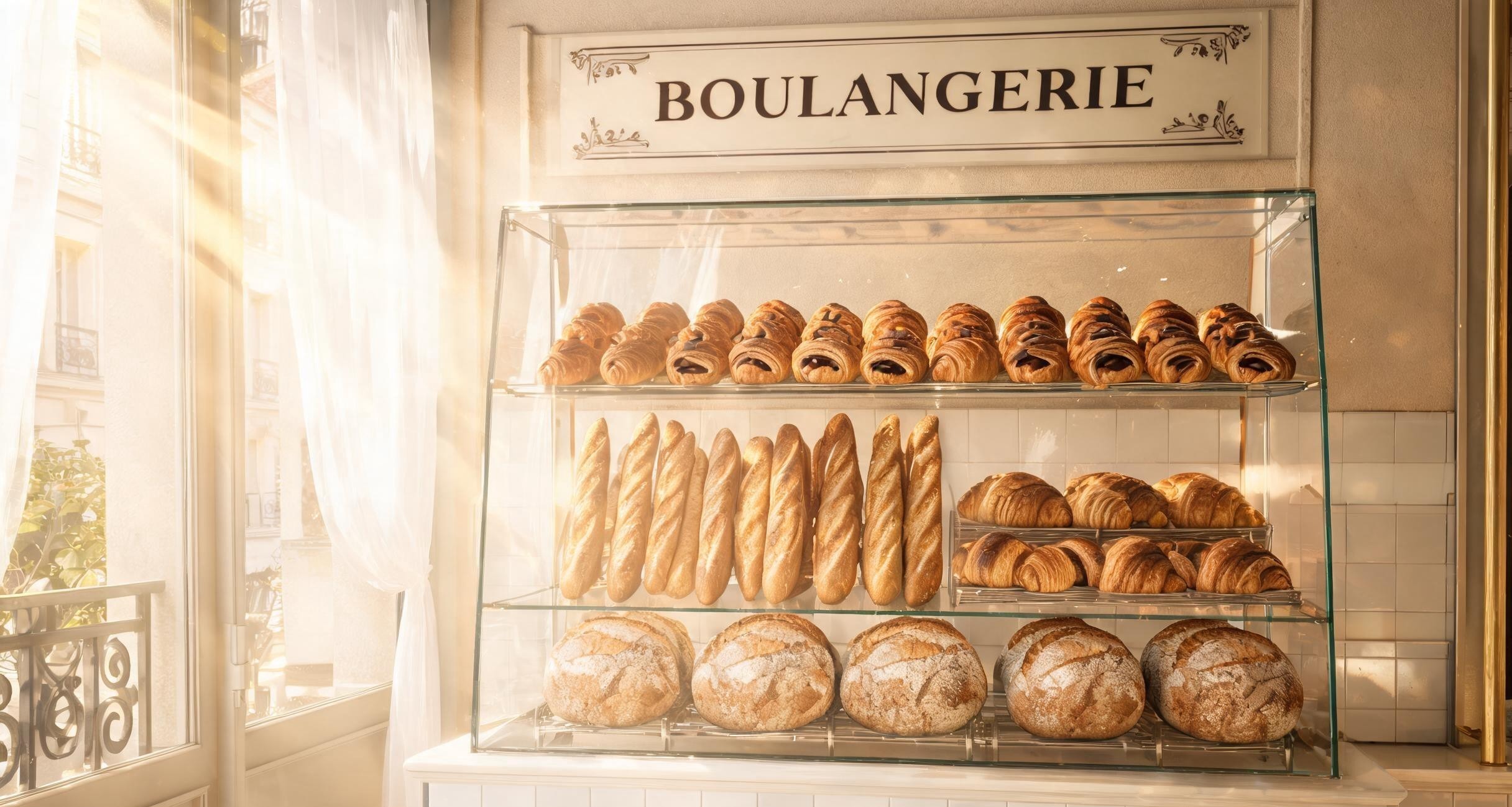
I showed up at Du Pain et des Idees at 7:15 on a Tuesday morning and the line was already past the door. The woman ahead of me had a canvas tote bag and reading glasses pushed up on her forehead, the universal uniform of someone who has done this before. She told me, without being asked, that she comes here four mornings a week and always orders the same thing: a pain des amis and a croissant aux amandes. I asked what made this place different from the bakery two blocks away. She looked at me like I had asked why she married her husband. Some things do not have a quick answer, she said. I ended up waiting twenty minutes and it was worth every second of standing on a cold Paris sidewalk in December. The pain des amis is a round, crusty loaf with an open crumb that tears apart in long, irregular pieces, and the croissant aux amandes is filled with frangipane and dusted with sliced almonds that have been toasted dark. It is the kind of pastry that makes you sit down on a nearby bench and eat it slowly, even when you are late for wherever you were going.
The baguette situation in Paris is more complicated than outsiders realize. In 1993, the French government passed what is commonly called the bread decree, a law that defined what could legally be sold as a baguette de tradition francaise. To qualify, the bread must be made on-site from wheat flour, water, salt, and yeast or sourdough, with no additives or freezing allowed at any stage. This law exists because by the early 1990s, most of the baguettes in France were industrial products, par-baked in factories and finished in shop ovens, soft and bland and barely worth eating. The tradition designation saved the baguette from becoming a nostalgia item. Today, the best bakeries in Paris compete for the Grand Prix de la Baguette every year, and the winner gets to supply the Elysee Palace for twelve months. That is serious business.
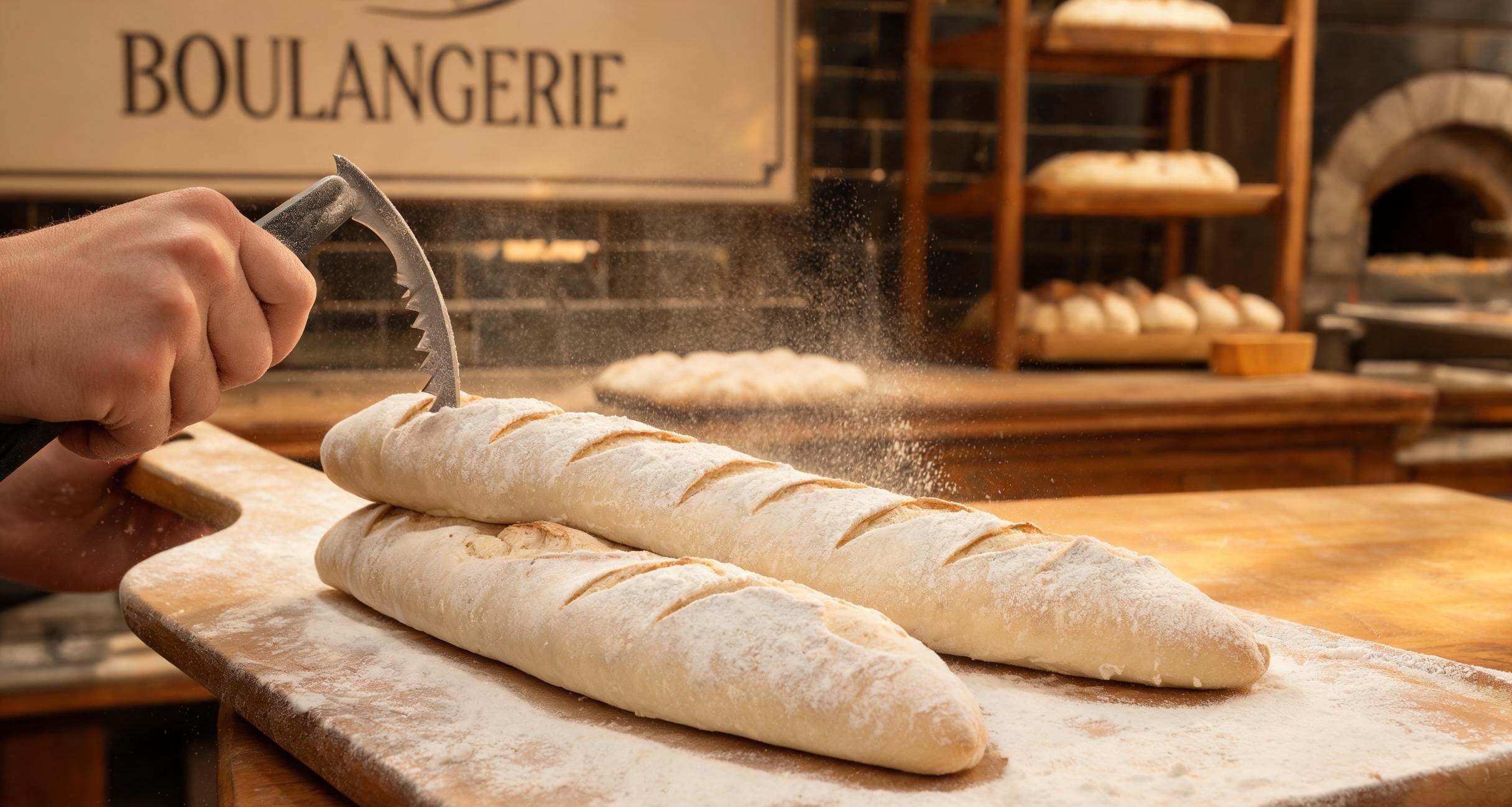
At Grenier & Renard in the 11th arrondissement, the thing to order is the cereal baguette, a long loaf studded with toasted seeds and cracked grains that gives it a crunch you do not get from a standard baguette. The baker, Frederic, told me he uses a preferment of sourdough that sits in the walk-in for eighteen hours before he mixes the final dough. The result is a bread with a thin, crackly crust and a tight, even crumb that smells faintly of toasted nuts. I ate half of it walking along the Canal Saint-Martin and the other half on the Metro home, which is not something you can do with a factory baguette because it would fall apart. This bread holds together. It has structure and character, and it makes you understand why Parisians treat their morning bread run as a daily obligation rather than an errand.
Across the river in the 6th, Poilane operates on a different scale. The famous sourdough loaves, baked in wood-fired ovens, are sold in round molds and have a crust so thick you could stand them on end. I arrived on a Saturday and the line moved fast because the staff has the process down to a science. A large sourdough loaf costs around nine euros and will last a family of four for a week if you keep it in the bread bag it comes in. The flavor is tangy and deep, with a hint of the wood fire, and it toasts better than any bread I have bought in a supermarket. But Poilane is not really about the bread. It is about the continuity. The bakery has been operating since 1932, and the recipes have barely changed. In a city where fashion changes by the season, that kind of consistency is remarkable, and Parisians respond to it with genuine loyalty.
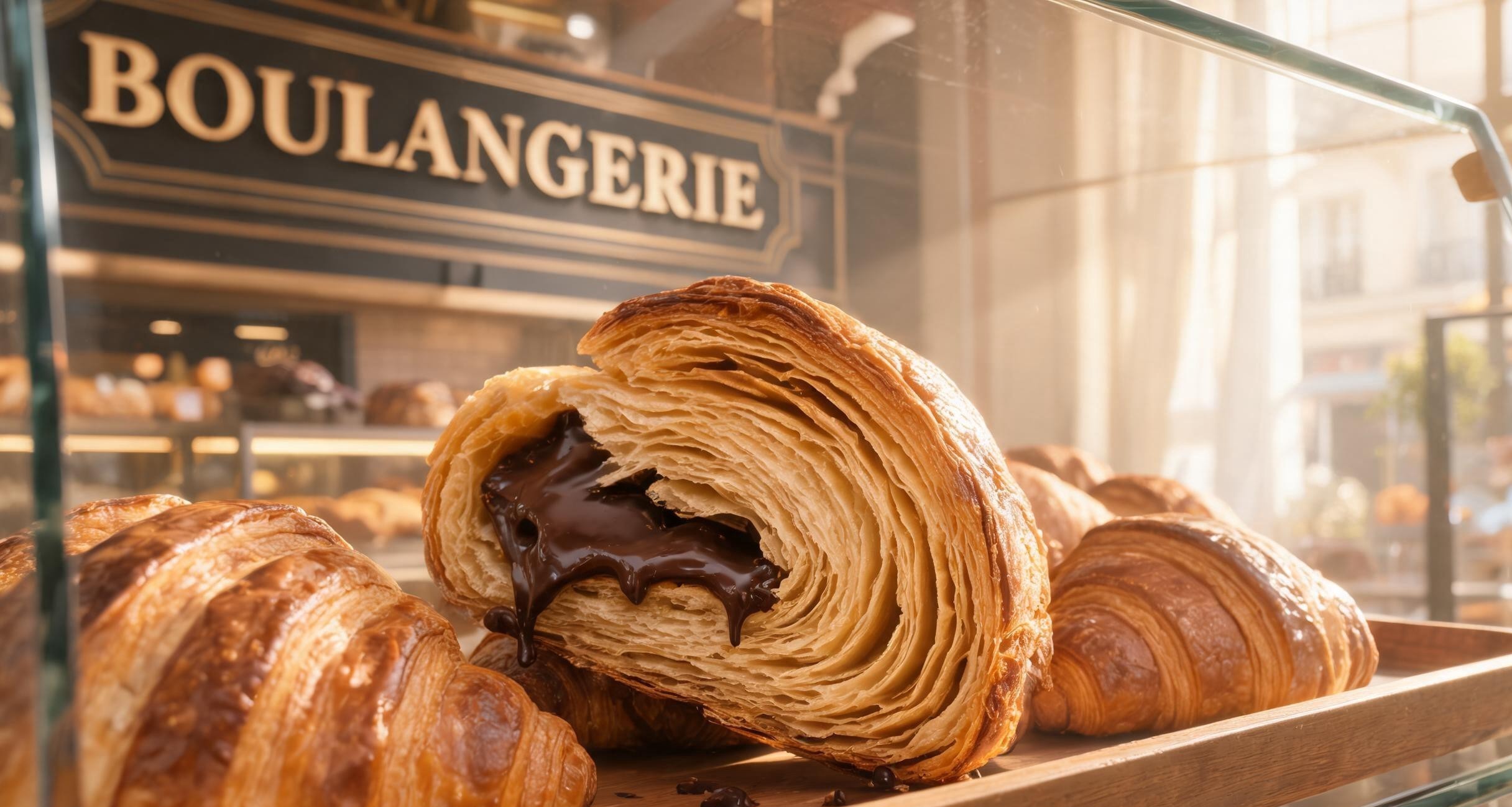
The smaller neighborhood bakeries are where the real surprises live. A place like Le Petit Mitron in the 15th does not win awards or get written up in travel guides, but it turns out a competent baguette and a respectable pain au chocolat every single morning, and the woman behind the counter knows her regular customers by name. I stopped in on three separate visits and each time the baguette was well-scored, the crust was crackling, and the inside was soft without being gummy. That level of reliability is harder to achieve than it looks. It requires the baker to show up at four in the morning, mix the dough, shape it, proof it, bake it, and have it ready by seven. Six days a week. The margins on a one-euro-thirty baguette are razor thin, and yet these bakeries survive because the neighborhood needs them.
What I learned from visiting these five bakeries over the course of a week is that the bread culture in Paris is not a tourist attraction. It is a daily practice, as ordinary and essential as buying milk or taking out the trash. The best bread in Paris is not the most expensive or the most photographed. It is the one you can walk to in the morning, the one the baker has been making for years, the one that holds up to butter and jam and still tastes like something. If you visit Paris and skip the bakery, you have missed the point entirely.