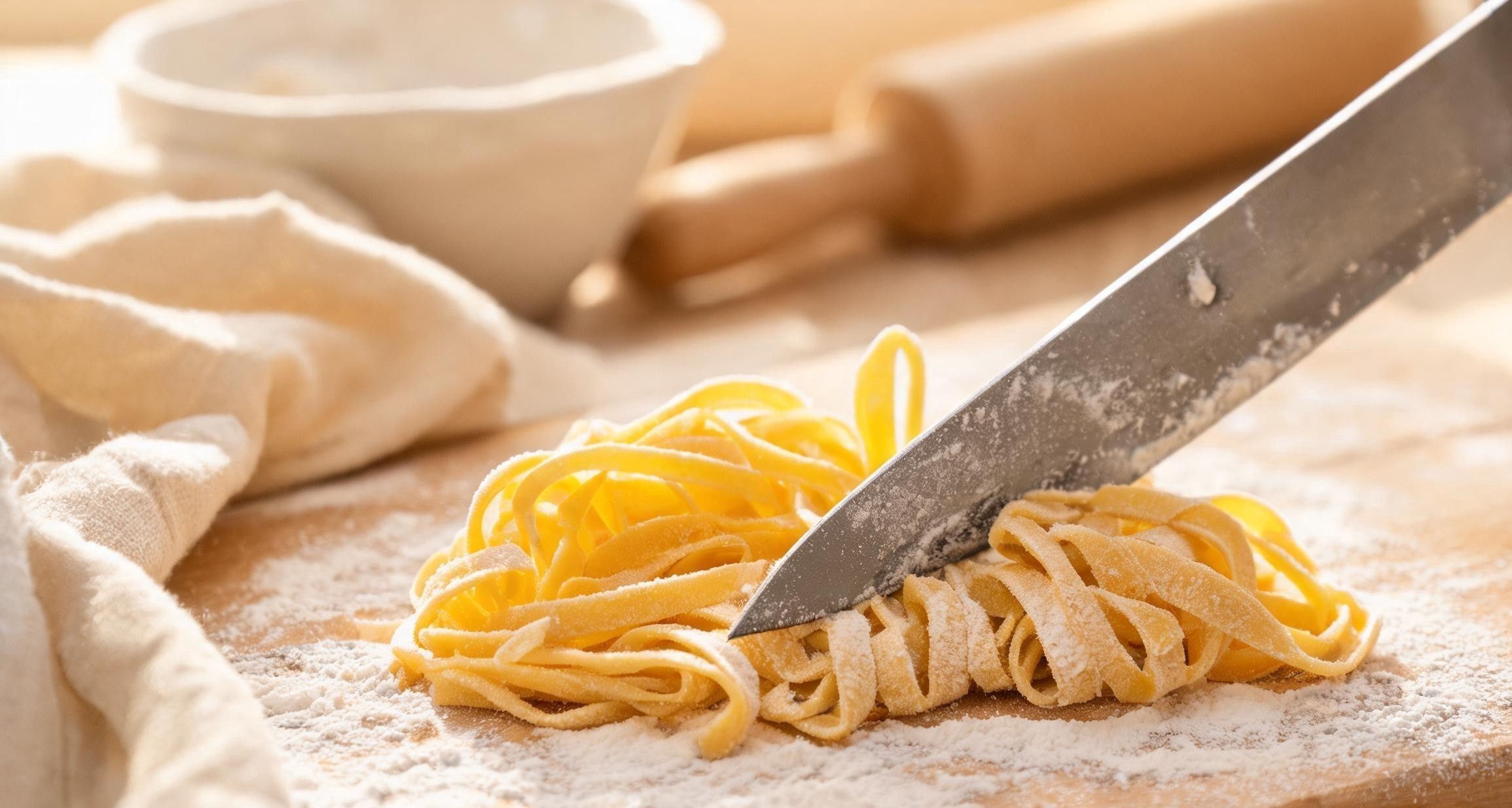
The first time I tried to make tagliatelle, I ended up with a sheet of dough so thick it could have been used as a placemat. It was a Sunday afternoon in March, and I had invited two friends over for what I described on the group chat as a homemade pasta dinner. I had watched about forty minutes of YouTube tutorials. I felt confident. I mounded 200 grams of flour on my wooden board, cracked two large eggs into the well, and started folding the dough inward with a bench scraper. Within ten minutes the dough was a lumpy, sticky mess clinging to my fingers and the board and somehow my shirt cuff. My friends arrived to find me covered in flour, eating cold leftover pizza while a sad rectangle of dough sat under a damp towel on the counter. We ordered Thai food.
That was the low point. I kept at it, because the one strip I boiled out of curiosity tasted nothing like the dried Barilla I usually bought. It was chewy and eggy and held sauce in a way I had only experienced in restaurants. Six months and roughly thirty batches later, I can make a respectable plate of tagliatelle in about ninety minutes. Here is what I wish someone had told me.
Italian 00 flour, the finely milled stuff you see in specialty shops, does make a difference in texture. It produces a silkier dough and a more tender bite. I use Caputo 00, which comes in a blue bag and costs about four dollars for a kilogram. That said, I have made perfectly good pasta with regular all-purpose flour. The main difference is chewiness. All-purpose gives you something slightly firmer, better suited for shapes like orecchiette. The 00 flour is softer, meant for the flat egg pastas of Emilia-Romagna. For a beginner, either works.
The ratio I use now is dead simple and I have not changed it in four months: 200 grams of flour to 2 large eggs for two generous servings. That is it. Some recipes add olive oil, a pinch of salt, or a drizzle of water. I have tried all of these variations and they all produce decent pasta. But I found that keeping it to just flour and eggs taught me more about how the dough should feel. When you have fewer ingredients, you can tell right away if something is off. If the dough feels dry and crumbly, you know the eggs were small or the flour absorbed more than usual. Add a half teaspoon of water. If it feels gummy, dust it with a tablespoon of flour and knead. Learning to read the dough is more useful than memorizing any recipe.
Kneading is where most people rush and where I went wrong for weeks. The dough needs about ten minutes of consistent kneading by hand. You push the heel of your hand into the dough, fold it in half, give it a quarter turn, and repeat. When the dough is ready, it will look smooth and feel like a firm stress ball when you press it. It should spring back slowly. If it tears when you stretch it, keep kneading.
Resting the dough is non-negotiable. Wrap it tightly in plastic wrap and let it sit at room temperature for at least thirty minutes. An hour is better. This relaxes the gluten so that when you roll it out, it does not shrink back. I have tried to skip this step twice and both times the dough fought me through every pass of the roller. Thirty minutes is a small price to pay for cooperation.
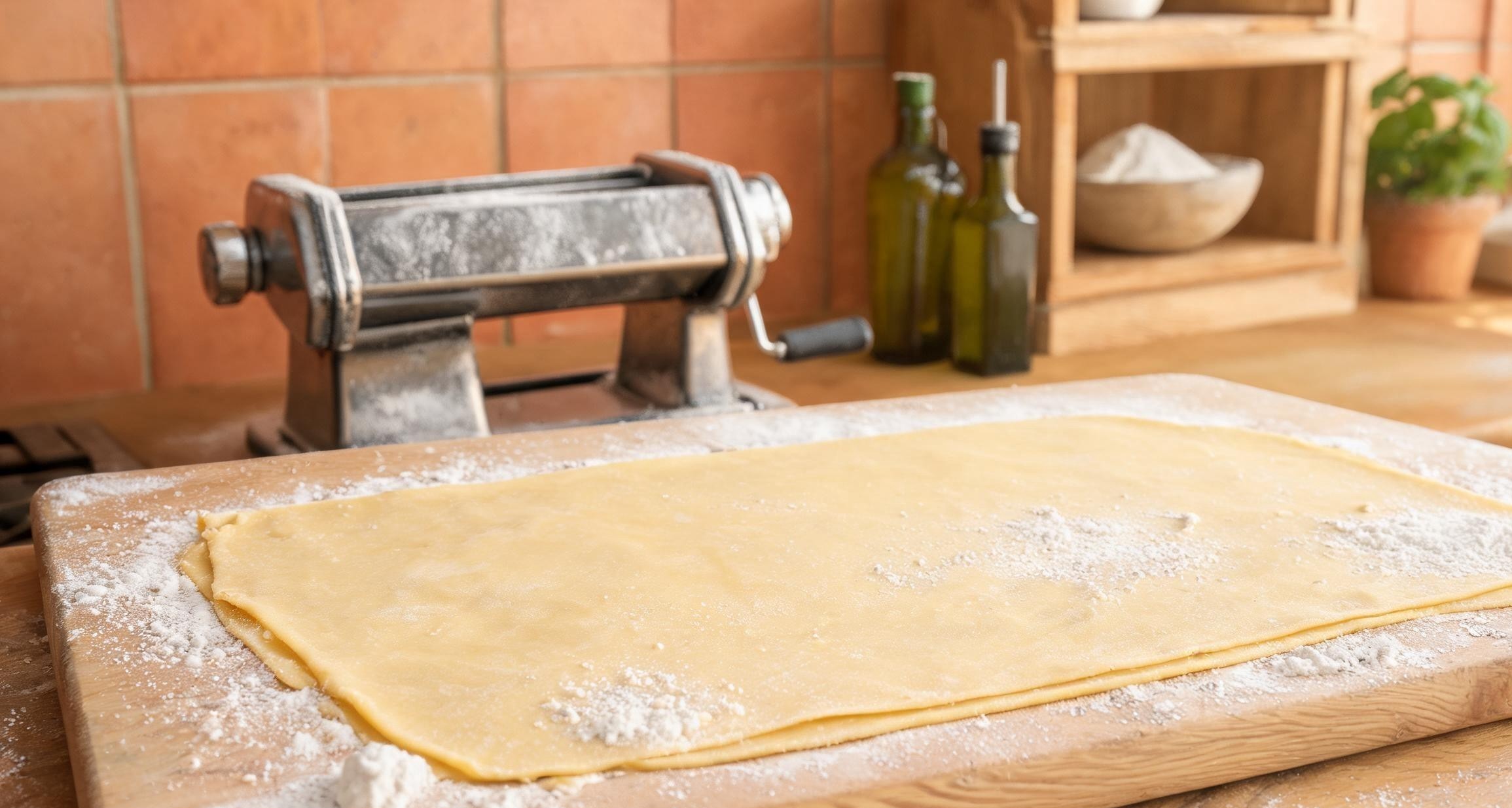
I use a simple hand-cranked pasta machine that clamps to the counter and costs about thirty dollars. I start on the widest setting, pass the dough through, fold it into thirds like a letter, and pass it through again on the same setting. I do this three times, then start narrowing the setting one click at a time, passing the dough through each setting twice. For tagliatelle, I stop when the sheet is thin enough to almost see my fingers through, usually the second-thinnest setting. That takes ten to twelve passes total per sheet.
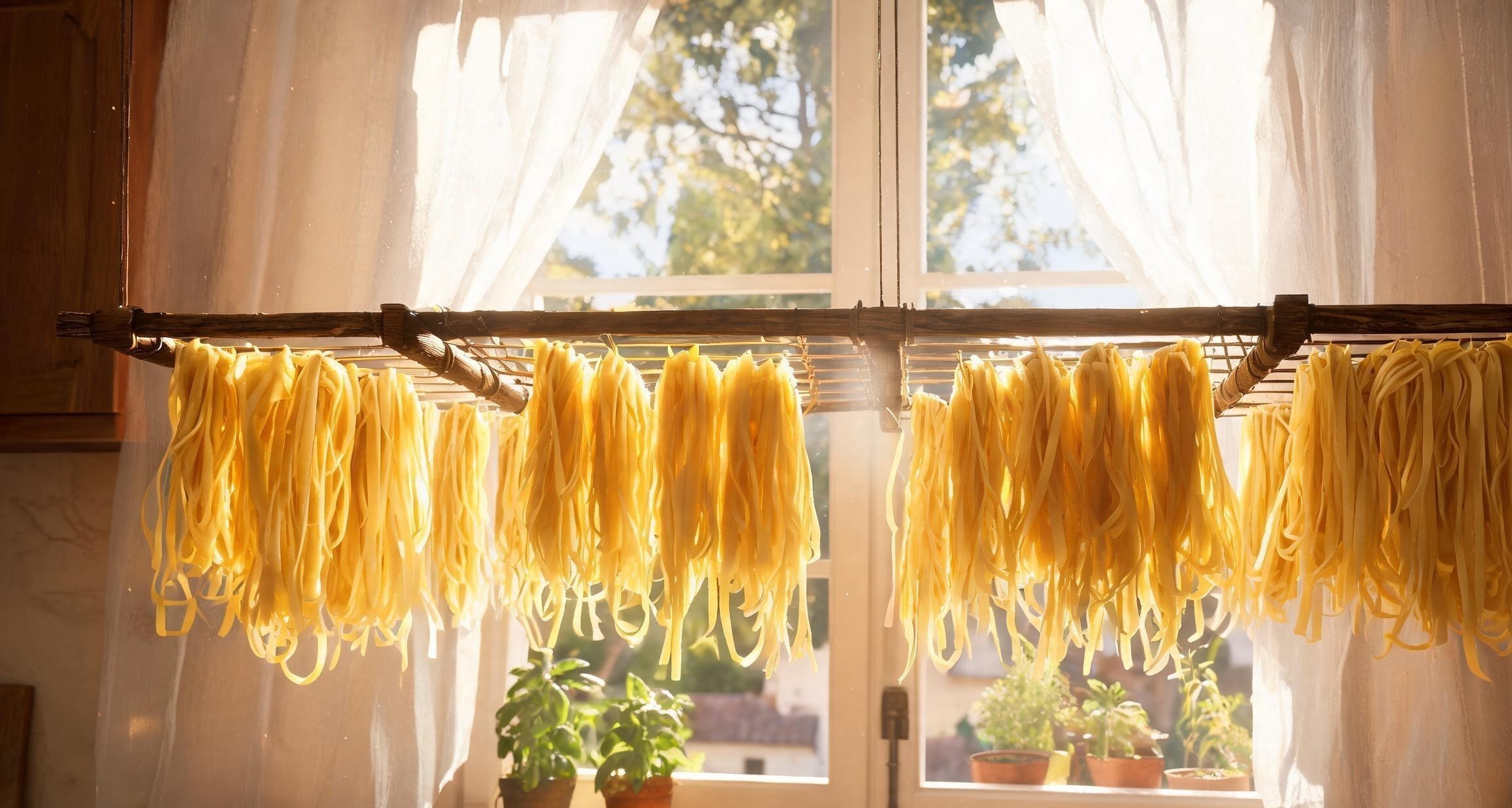
Cooking fresh pasta is a different game from cooking dried. Fresh egg pasta cooks in boiling salted water in about two to three minutes. You are not waiting for it to soften the way you do with dried pasta. You are just heating it through and setting the egg. I taste a strand after ninety seconds and check every thirty seconds after that. The moment it is tender but still has a slight bite, it comes out. That window is narrow. Leave it in for even thirty seconds too long and it goes from perfect to mushy. I have done this more times than I want to admit.
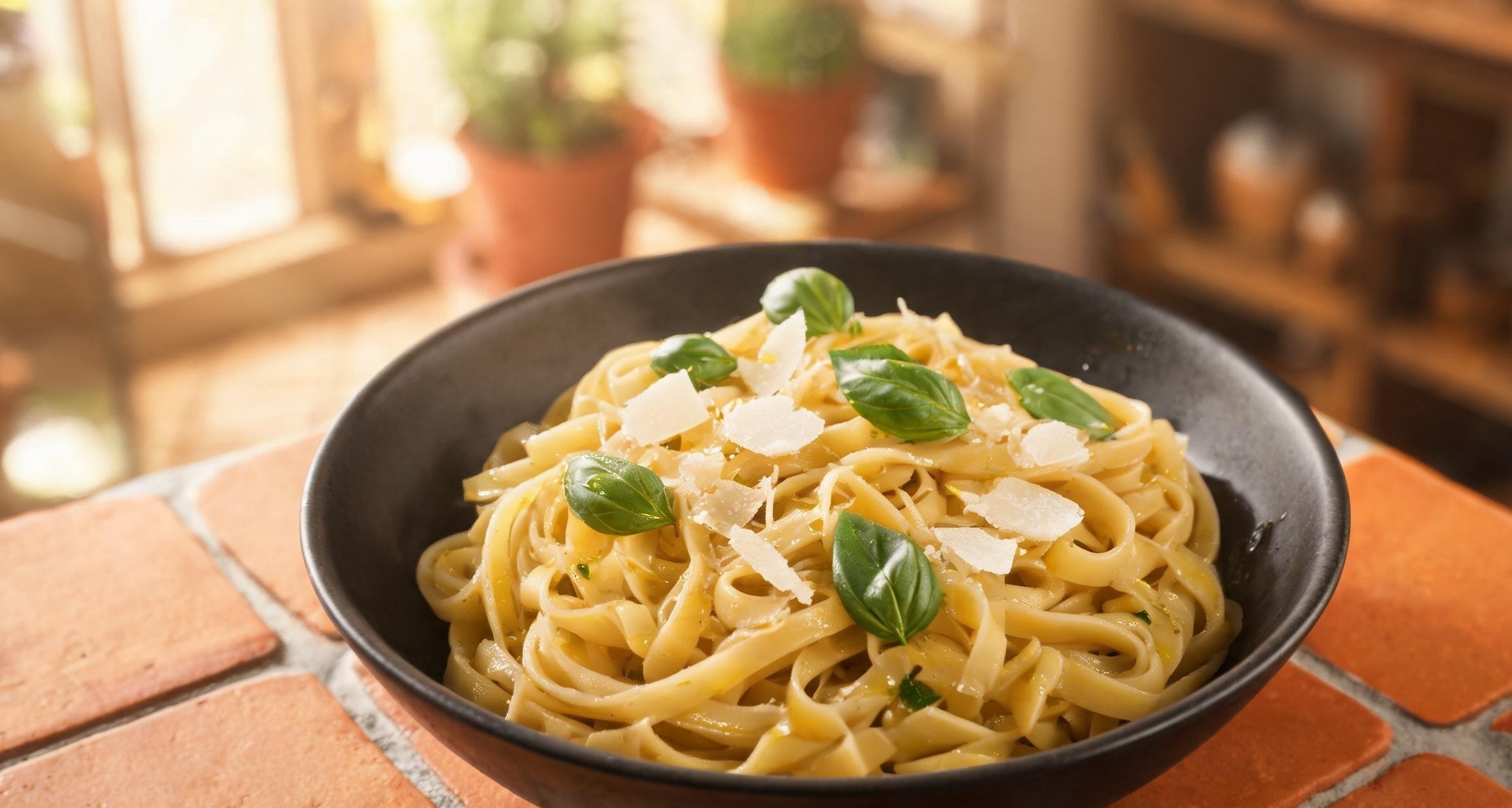
The taste difference between fresh and dried pasta is real, but it is not night and day. What changes is the texture and how the pasta carries sauce. Fresh tagliatelle with a simple ragu clings to the meat sauce in a way dried pasta never does. The sauce settles into the slight roughness of the surface. Both are good. Fresh is better for egg-based flat pastas and filled shapes like ravioli. For spaghetti with clam sauce, I still reach for the dried stuff.
My kitchen is still flour-dusted most weekends. I have a designated pasta towel and a scar on my wooden board from the clamp. I am not a professional. My tagliatelle is not perfectly uniform. But I can make something in my apartment that tastes like it came from a kitchen in Bologna, and that feeling of eating food you made with your hands is why I kept going after that first disastrous Sunday.