My mother used to say that a Korean meal without rice is not a meal, it is a snack. She said this every time I came home from college and tried to serve her something I had learned to make, like pasta or a salad. She would eat it politely, then go to the kitchen and cook a pot of short-grain white rice, and we would sit down with kimchi and soy sauce and she would look satisfied for the first time that evening. I used to think she was being stubborn. Now I live on my own and I understand. Rice is the anchor. Without it, the meal feels incomplete in a way that is hard to explain to someone who did not grow up eating it every single day. But the rice my mother cooked is different from the rice a Japanese family eats, which is different from the rice served in Thailand or India or southern China. Same grain, roughly speaking. Completely different results.
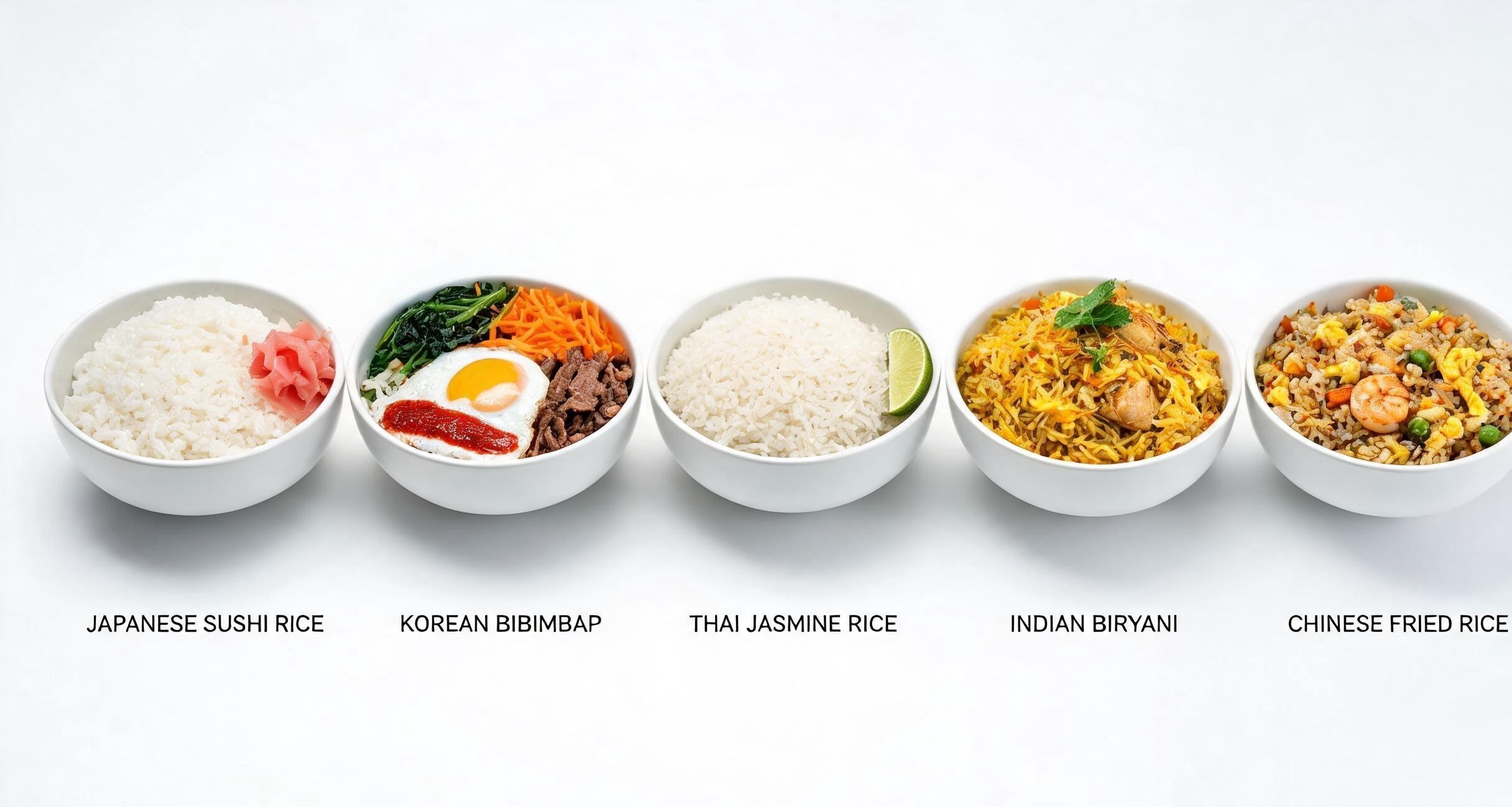
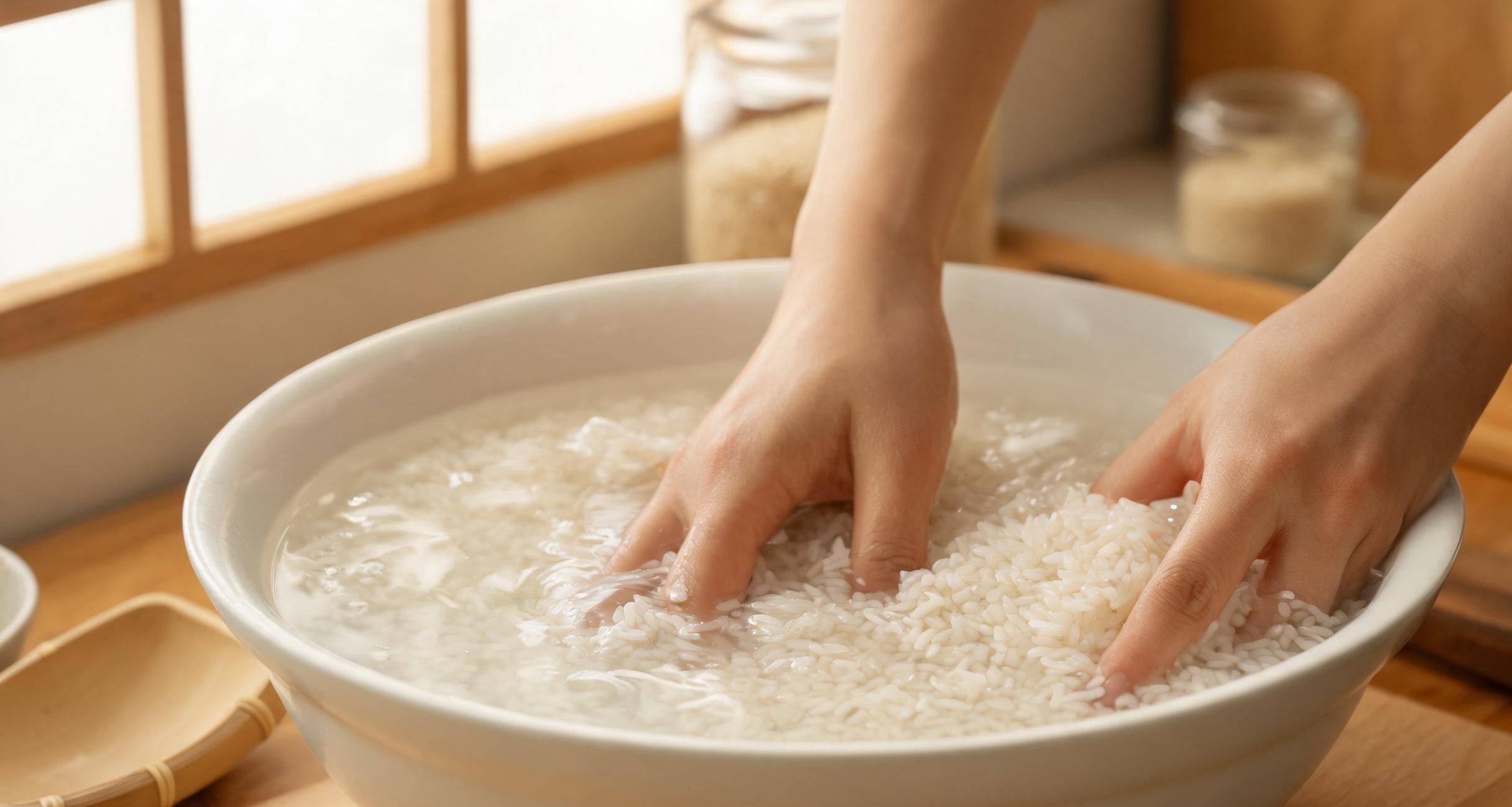
In Japan, rice is polished to a degree that would make a Korean grandmother raise an eyebrow. The standard Japanese table rice is short-grain and milled until the grains are almost white, with a very thin outer layer of bran remaining. The result is a rice that is sticky enough to clump together for sushi but not so sticky that it becomes gummy. Japanese home cooks wash the rice multiple times before cooking, changing the water until it runs nearly clear, and they cook it in rice cookers that are calibrated to the exact grain weight and water ratio. The rice is served plain, in a small bowl, and eaten alongside everything else. It is not mixed with sauces or seasoned heavily. The idea is that the rice itself should taste good on its own, clean and slightly sweet, a neutral backdrop for the pickled, grilled, and braised dishes that accompany it. I had lunch with a Japanese friend once who told me she can taste the difference between rice from different prefectures the way a wine drinker can taste terroir. I believe her, though my own taste is not that refined.
Korean rice, the kind my mother makes, is also short-grain but it is slightly less polished than Japanese rice. There is more texture to each grain, a faint chewiness at the center that the Japanese style smooths out. Korean rice is often mixed with other grains. My mother adds barley, millet, or black rice to the pot depending on what she has in the pantry. A common home-style mixture is five or six parts white rice to one part of something else, just enough to change the color and add nutritional variety without altering the fundamental texture. Korean rice is also served plain, but it plays a different role in the meal. Where Japanese rice sits to the side as a neutral companion, Korean rice is mixed directly into the other dishes. You take a spoonful of rice, add a piece of grilled meat or a bite of kimchi, and eat them together. The rice absorbs the sauces and the fermented flavors of the banchan, and by the end of the meal the bowl has collected a mixture of all the tastes on the table.
In Thailand, the rice is long-grain jasmine rice, and the difference from the Korean and Japanese varieties is immediate. Jasmine rice has a lower amylopectin content, which means the grains stay separate after cooking instead of clumping together. Each grain is distinct, fluffy, and slightly aromatic with a fragrance that is hard to pin down but is often described as resembling pandan or popcorn. Thais typically cook jasmine rice by absorption, using less water than you would for short-grain rice, and they do not wash it as aggressively. The rice is served alongside curries and stir-fries, and you use a spoon and fork to eat it, pushing the rice onto the spoon with the fork and lifting sauce and meat along with it. The separate grains matter because they allow each grain to be coated in sauce individually. Clumpy rice would not work as well with a Thai green curry, where the sauce is thin and the rice needs to absorb it grain by grain rather than in a sticky mass.
Indian basmati rice takes the separation even further. A properly cooked basmati grain is long, slender, and completely separate from every other grain on the plate. The technique for achieving this involves washing the rice thoroughly, soaking it for thirty minutes, then boiling it in a large pot of salted water, much like pasta, and draining it when it is about eighty percent done. The residual heat finishes the cooking. Basmati is aged for months or even years before it is sold, which reduces its moisture content and makes the grains expand dramatically when cooked. The aged grain also develops a nutty, toasty aroma that is different from the floral quality of Thai jasmine rice. In India, basmati is the rice for biryanis and pulaos, where each grain should be identifiable and separate. In southern India, where shorter-grain varieties like ponni and sona masoori are more common, the rice is starchier and stickier, better suited to the dosa batter, the rice bowls, and the fermented idlis of the region.
China uses both long-grain and short-grain rice depending on the region. In the north, where wheat is the dominant staple, rice is less central to daily meals and when it is served, it tends to be long-grain and served plain. In the south, where rice is the main starch, short- and medium-grain varieties are more common, and the rice is stickier, better for eating with chopsticks and for mixing with stir-fried dishes. Fried rice is a Chinese invention that relies on day-old cooked rice, because freshly cooked rice has too much moisture and will turn mushy when fried. The best fried rice starts with rice that has been refrigerated overnight, the grains firm and slightly dried out, ready to absorb the oil and soy sauce and whatever else goes into the wok. That detail, using leftover rice, is something that home cooks in China have known for generations, and it is the reason that restaurant fried rice often tastes better when you reheat it at home the next day.