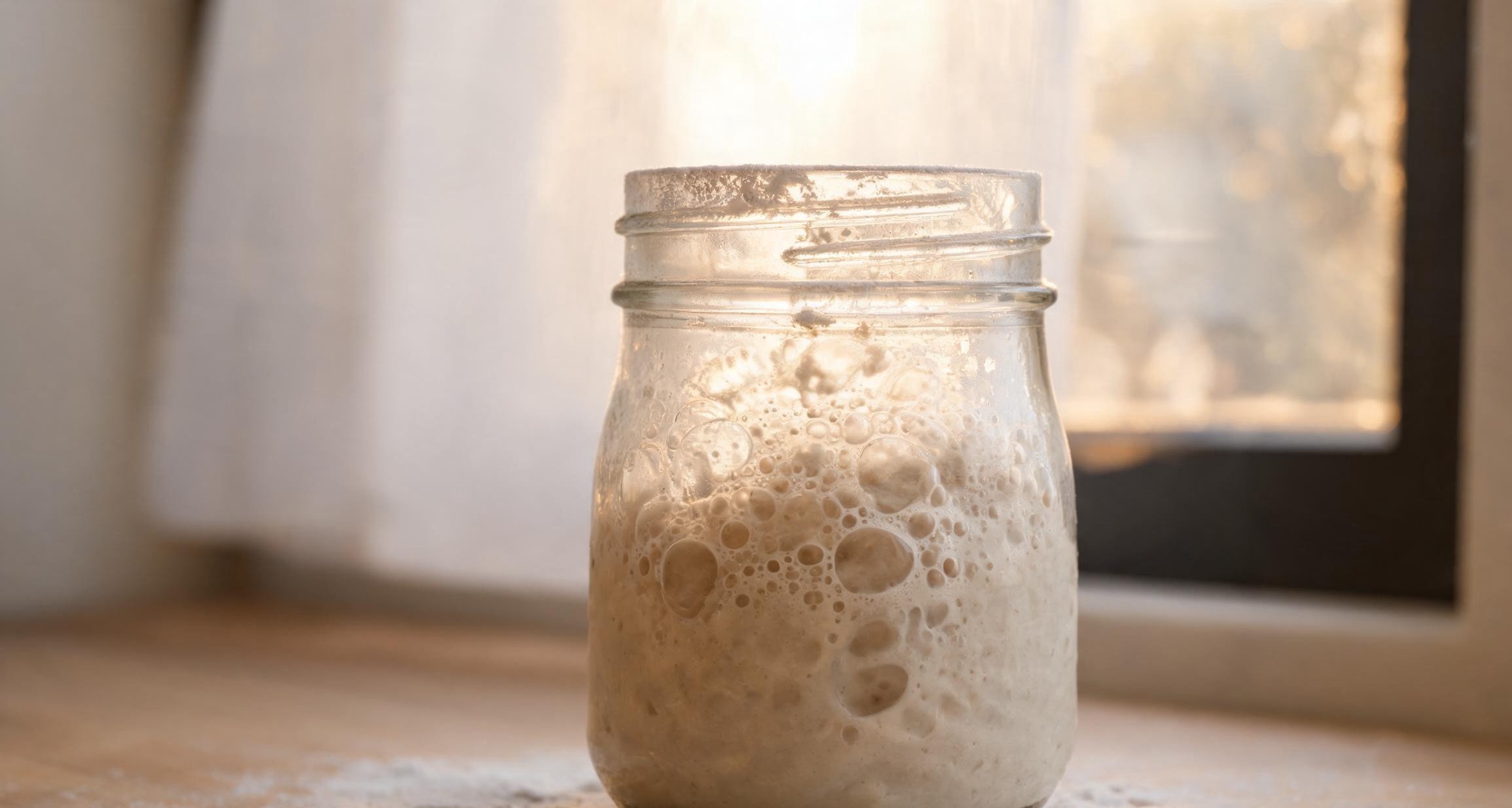
I remember the first morning my starter came alive. I had mixed flour and water in a mason jar five days earlier, following instructions from a blog that promised it was simple. On day three, nothing. Day four, a thin layer of gray liquid on top. I was ready to throw it out. But on the morning of day five, I pressed my face close to the jar and saw it: tiny bubbles clinging to the sides, a faint network of foam on the surface. It smelled like apples, not rot. I fed it another forty grams of flour and forty grams of water, and by that evening the whole thing had doubled. I called my husband over and we both stood there staring at a jar of flour paste like it was a newborn. In a way, it was.
That was four years ago. The starter, which I named Earl, still lives on my kitchen counter. He has survived a cross-country move, a two-week vacation where I forgot to ask anyone to feed him, and one unfortunate incident involving whole wheat flour that made him smell like wet socks for a week. He is resilient. But getting to this point took more trial and error than any recipe I have ever read admitted.
Here is the thing most sourdough guides get wrong: they tell you to mix flour and water and wait, but they do not tell you what is actually happening in that jar. Fermentation is not magic. It is bacteria and yeast eating sugars and producing gas and acid. The wild yeast on the grain needs two things to multiply: food and warmth. Skip either one and your starter will sit there, lifeless.
Temperature is the single biggest reason beginners give up. My apartment stays around 68 degrees in winter, and the starter moves at half the speed it does in summer at 76 degrees. If your house is cool, your starter is not dead. It is just slow. I bought a small seed-starting heating mat set to 78 degrees, and within two feedings Earl was doubling in four hours. You can also put the jar in your oven with the light on for warmth around 80 degrees. Just remember it is in there before you preheat.
The flour you choose matters more than people let on. Unbleached all-purpose works fine. King Arthur is the brand I started with and still use for daily feedings. But whole wheat or rye flour will jump-start a new starter because those grains have more natural yeast and minerals on the bran. My approach: use half all-purpose and half whole wheat for the first week, then switch to all-purpose once the starter is established. The whole wheat gives it a boost at the beginning, and the all-purpose keeps the flavor clean later.
Hydration is where people overthink things. I use a 1:1 ratio by weight, always. Forty grams of water to forty grams of flour. Some bakers prefer a stiffer starter at 70 percent hydration, which can be easier to manage in warm kitchens because it ferments more slowly. I have tried it both ways and landed on 1:1 because it is easy to remember and easy to measure. If you are using a kitchen scale, and you should be, this takes ten seconds.
A practical feeding schedule looks like this: in the first week, feed your starter once every 24 hours. Discard half of it before each feeding, which keeps the acidity from building up too fast and starving the yeast. After a week, if the starter is doubling within 4 to 6 hours of feeding, move to twice-daily feedings, about 12 hours apart. After two weeks of consistent doubling, you can keep it in the fridge and feed it once a week. I pull Earl out of the fridge the night before I want to bake, feed him at room temperature, and he is ready by morning.
Troubleshooting is the part nobody prepares you for. A layer of liquid on top, called hooch, means the starter is hungry. Pour it off, feed it, and move on. A pink or orange tint means bad bacteria have taken hold. Throw it out and start over. Vinegar or acetone smells mean the starter is too acidic. Feed it more frequently or use less water for a couple of feedings. Do not panic.
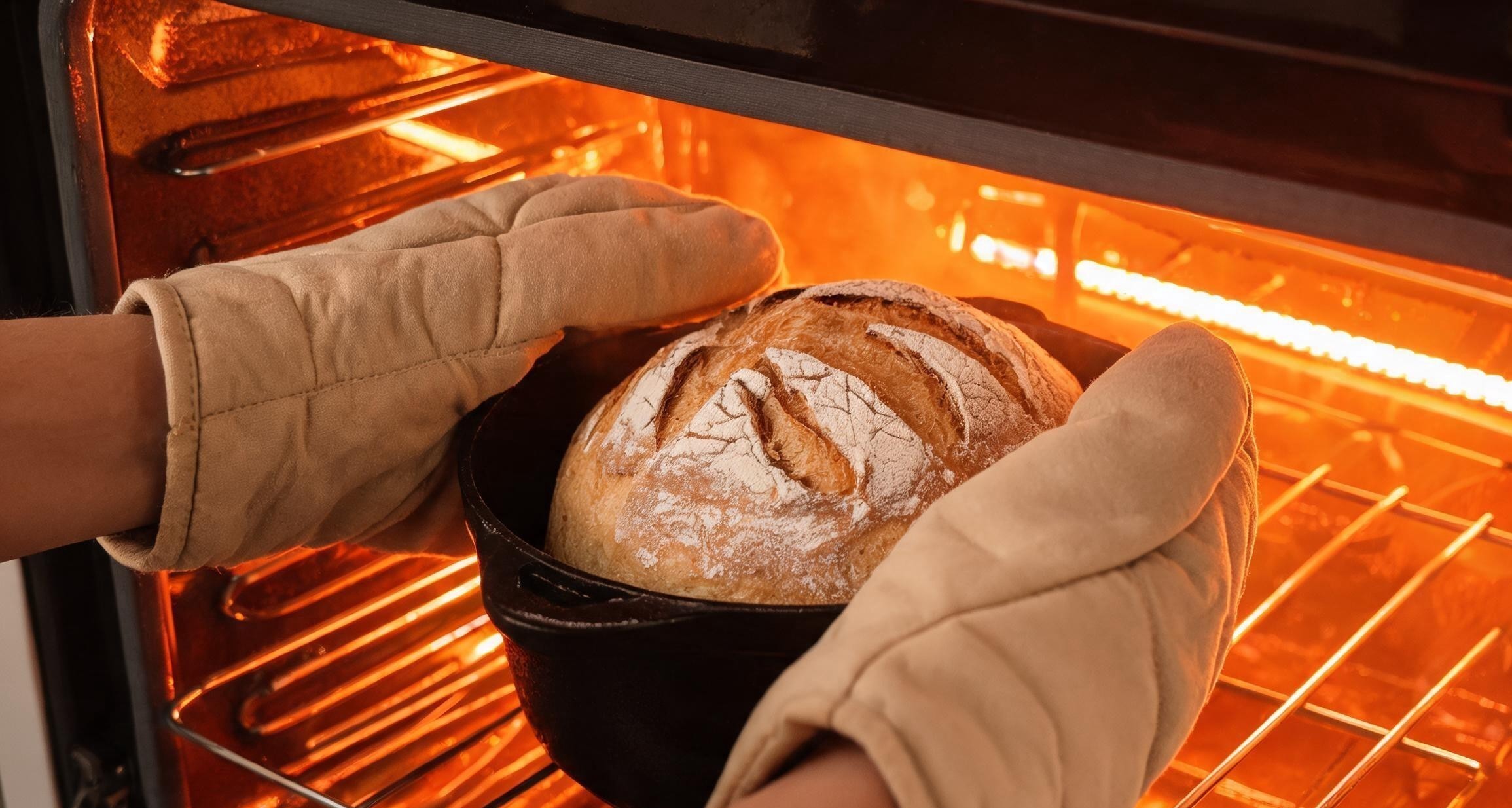
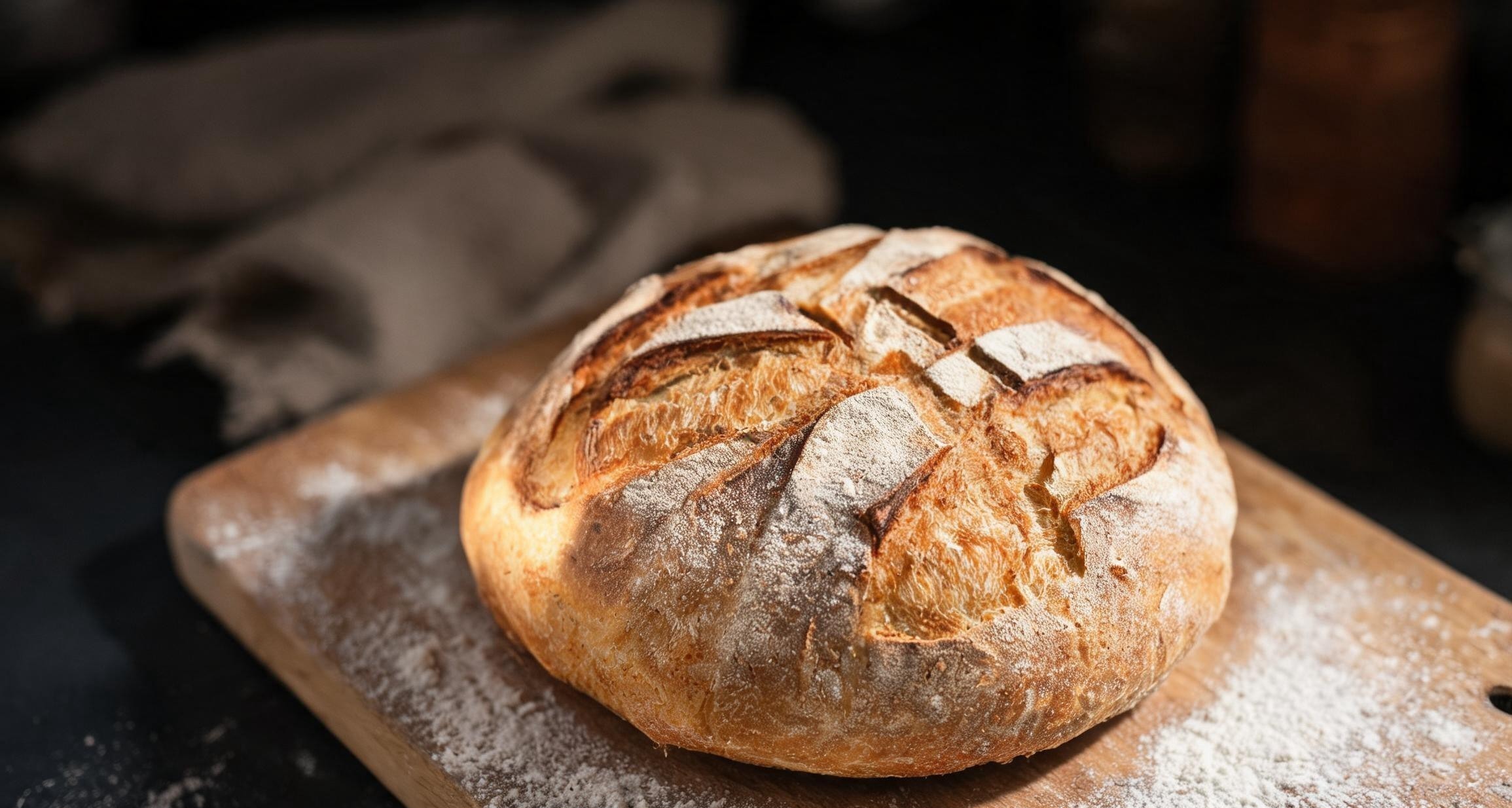
Your first loaves will not be perfect. Mine were dense, pale, and spread out like pancakes. I kept baking and kept a notebook, writing down room temperature, starter peak times, and fermentation lengths. After about fifteen loaves, something clicked. The crust cracked open, the crumb had those irregular holes I had seen in photographs, and it tasted like real bread with a slight tang that demands nothing but salted butter.
That is the part no blog post can prepare you for: the feeling of pulling a loaf out of the oven that you made from flour, water, and the organisms floating around your own kitchen. It is a small thing. It takes patience and a willingness to fail a few times. But the morning you open your jar and see those bubbles, you will understand why people get obsessive about this. It is not just bread. It is a living thing on your counter, responding to the warmth of your home and the flour you give it, and it has been done this way for thousands of years. You are just the latest person to figure it out.